How to Camouflage Your Bug-Out Backpack in Rural and Urban Environments
Pick a 20–30L backpack in charcoal or navy with matte nylon to avoid drawing attention. Use foam inserts to soften angular lines and add common accessories like water bottles or rain covers. Pack paperbacks, hoodies, and dry bags instead of labeled gear. Test it in cities or woods to see how it blends-adjust straps or contents if people glance twice. Urban areas need quiet, sleek designs; rural zones allow more bulk. Subtle tweaks keep it credible. You’ll see how small changes add up.
Notable Insights
- Choose a low-profile backpack with a civilian silhouette and avoid military-style features like MOLLE webbing.
- Use neutral colors like charcoal or navy and matte-finish fabrics to blend into urban and rural settings.
- Modify the pack’s shape with soft inserts to eliminate tactical angularity and add everyday accessories.
- Pack civilian-like items such as books, water bottles, and hoodies to avoid suspicion during casual observation.
- Test the backpack in real environments and adjust based on public reactions and terrain-specific needs.
Choose a Backpack That Blends In
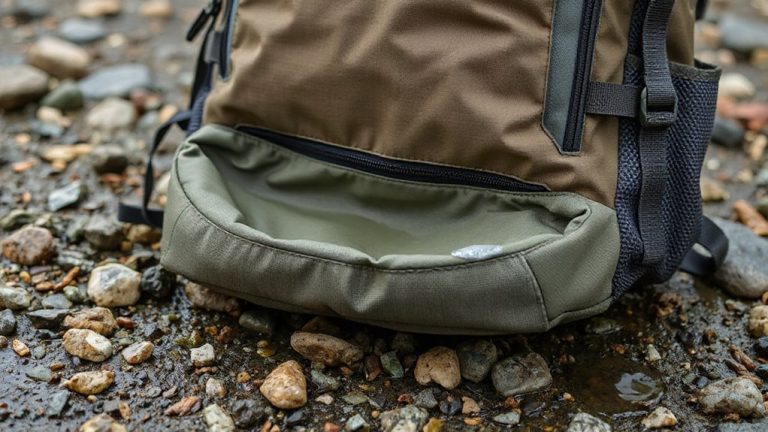
A backpack that looks out of place can draw unwanted attention, so picking one that blends in with everyday environments matters just as much as its capacity or durability. You want a backpack silhouette that mimics common daypacks-streamlined, medium-profile, and free of external MOLLE webbing or military cues. A low-key shape avoids suspicion in cities or rural towns alike. Pay attention to material texture; smooth fabrics like ripstop nylon with a matte finish resemble student or commuter bags, while coarse, heavily padded exteriors stand out. Avoid overt tactical patterns or reflective accents. A modest 20–30L volume fits urban commutes and quick exits without raising eyebrows. Real-world tests show blended designs move through crowds and checkpoints with less scrutiny. You trade no meaningful function for discretion when the silhouette and texture match civilian norms. Choose wisely-you need reliability without signaling intent. For concealed carry, a backpack designed with discreet access points enhances both safety and stealth, making best EDC backpacks a practical choice for everyday readiness.
Pick Civilian-Like Colors and Fabrics
You’ll want to go with colors like charcoal, navy, or dark olive-these shades blend into city streets and suburban neighborhoods without standing out. Avoid bright or military tones; they draw attention. Stick with color matching that mimics everyday commuter bags or school backpacks. Fabric choice matters just as much-opt for plain polyester, nylon, or canvas instead of tactical Cordura or ripstop with a shiny finish. Matte finishes reduce glare and look more civilian. A backpack in common fabric and color won’t raise suspicion during evacuation or while moving through populated areas. Most off-the-shelf outdoor packs offer suitable options, though some require inspection for overtly tactical features. Choose neutral hues and materials that resemble luggage or student gear. This combo of fabric choice and color matching improves concealment in both urban and rural settings, helping you move without being noticed. For reliable options, consider models from the best everyday backpacks roundup, which highlights practical, low-profile designs ideal for discreet use.
Modify Shape With Everyday Add-Ons
While the base shape of your backpack matters, altering its profile with common accessories helps it blend in more effectively. Add padding to the sides or top to break up the pack’s angular silhouette, making it look less tactical. Foam pool noodles or rolled clothing work well and weigh almost nothing. Attach accessories like a rain cover, hydration hose, or carabiner with a water bottle to mimic everyday use. These items are common on commuter or hiking packs, so they reduce suspicion. Avoid symmetrical or military-style attachments; asymmetry looks more natural. A cheap mesh pocket or laundry bag clipped to the front adds bulk without cost or complexity. Test different configurations in public spaces to see what draws attention. The goal isn’t disguise-it’s normalcy. Minor shape changes, combined with civilian wear, make your pack look like it belongs. This low-effort tweak improves concealment without sacrificing function. For added practicality, consider using a waterproof commuter backpack to maintain a discreet, everyday appearance while ensuring your gear stays dry in any environment.
Pack Like a Civilian, Not a Prepper
Stuffing your pack with military-style rollups or color-coded MOLLE pouches gives it away instantly-civilian packs don’t look like that. Aim for an everyday appearance: use common backpacks like those for hiking, commuting, or school. Swap tactical hydration bladders for a simple water bottle in a side pocket. Store gear in standard dry bags or repurposed containers, not labeled survival kits. Subtle modifications matter-add a rain cover, but choose one in neutral tones, not camo. Avoid branded “bug-out” labels or blaze orange accents. Pockets should look full but not overly packed. A few visible items-like a paperback, reusable coffee cup, or folded hoodie-signal routine use. Zippers should function smoothly but not hold gear that looks staged. The goal isn’t to hide functionality, but to blend function with how real people carry. You’re not prepping for show-you’re preparing to pass as ordinary.
Adapt for Urban vs. Rural Settings
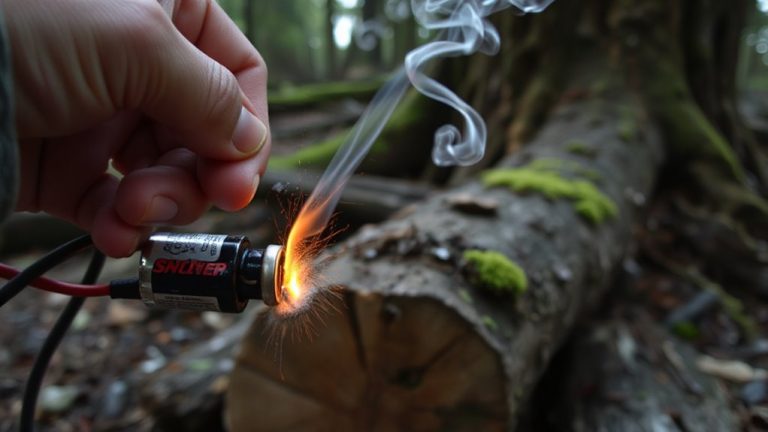
A civilian-looking pack gets you past the front door, but where you’re headed determines what stays and what goes. In urban settings, prioritize low visibility at night-swap reflective strips for neutral fabrics to avoid catching urban lighting. A sleek laptop compartment helps your pack blend, even if you’re carrying emergency tools instead of electronics. Keep noise down; metal gear clanking draws attention. In rural areas, bulk matters less-use that space for water filters and fire starters to support rural foraging. Swap urban boots for ankle-supporting hiking models with aggressive tread. Camouflage patterns work here, but only if they match local terrain-green alone isn’t enough. Urban movement demands speed and concealment; rural travel needs durability and self-reliance. Each environment forces trade-offs in loadout and profile. Adjust your core gear accordingly-your survival depends on fitting in, not standing out.
Test Your Disguise Before You Need It
How well does your pack really blend in? You won’t know until you’ve done some field testing in places like busy sidewalks, parking lots, or hiking trails. Real world trials expose how your disguise holds up when it matters. Wear your camouflaged backpack during routine errands or short hikes and observe reactions. Do people glance twice? Does it stand out beside civilian gear? These observations are data points. Field testing in varied lighting and crowd densities reveals flaws you can’t predict indoors. A pack that looks neutral at home might scream “tactical” on a city bus. Adjust straps, add covers, or swap items based on real-world trials. Testing early lets you refine without pressure. Don’t wait for crisis to learn your disguise fails. Practice with purpose. Small tweaks now increase your odds later.
Avoid Common Red Flags in Plain Sight
You’ve tested your pack in the wild and seen how it performs under real conditions, but now it’s time to focus on what you might be broadcasting without meaning to. Odd behavior patterns draw attention faster than gear ever will. Walking with a rigid stride, checking maps too often, or avoiding eye contact signals you’re out of place. Locals don’t move like that. In cities, off-peak movement timing stands out-being on the streets when others aren’t suggests purpose, not routine. In rural areas, moving at dawn or dusk without a clear reason raises suspicion. Match your pace to the environment. Carry everyday items like grocery bags to blend. Avoid grouping with others who exhibit similar behavior patterns. Stay neutral in expression and motion. Movement timing matters-move when others do, stop when they stop. Your pack can be invisible, but poor habits make you the target.
On a final note
You won’t outrun suspicion if your pack screams “tactical.” A camouflaged backpack draws eyes; a worn hiking pack or common duffel doesn’t. Neutral colors, unremarkable shapes, and civilian loads-like groceries or laundry-blend where it matters. Test your setup in public first. Urban settings favor subtlety; rural areas need bulk that looks worn, not packed. Function beats gear-choose concealability over capacity.