How to Identify Shock Symptoms in Remote Settings Without Medical Equipment
You’ll see pale, cool, clammy skin and a weak or absent pulse in the wrist or neck if shock’s setting in. Breathing becomes fast-over 24 breaths per minute-or shallow. Confusion, drowsiness, or not following simple commands means the brain’s not getting enough oxygen. Unlike exhaustion, skin stays cold and sweaty, and rest won’t help. Thirst may be absent. Track these changes closely-they worsen fast. Recognizing the difference now could decide the outcome.
Notable Insights
- Look for pale, bluish, or gray skin, especially in the face and lips, indicating poor blood circulation.
- Check for a weak or absent pulse at the neck or wrist, signaling reduced heart output.
- Notice rapid, shallow breathing over 24 breaths per minute, a sign of oxygen deprivation.
- Assess mental state for confusion, drowsiness, or inability to follow simple commands.
- Feel for cool, clammy skin despite ambient temperature, a common stress response in shock.
Understand Shock and Why It’s Deadly in the Wild
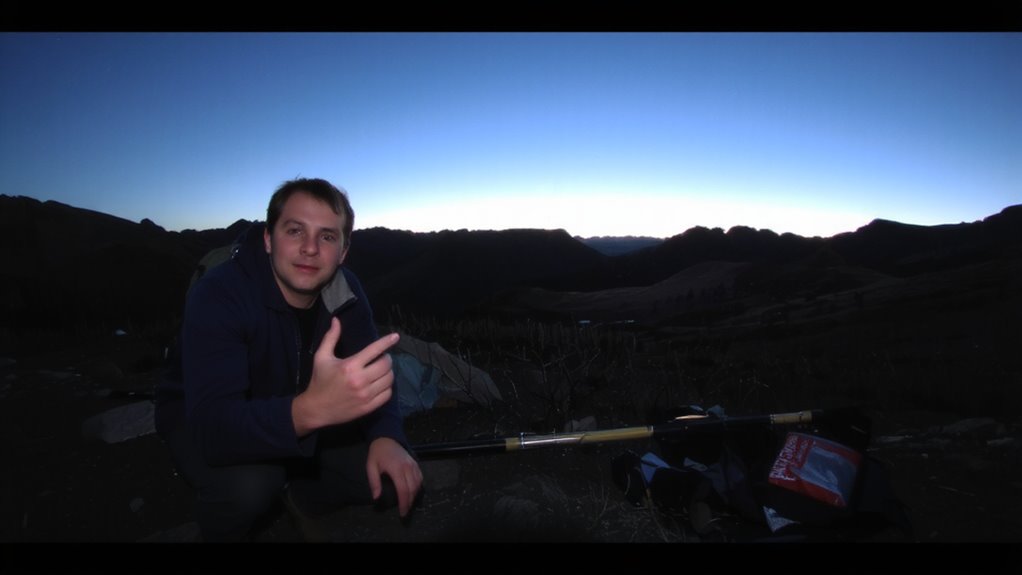
Survival hinges on recognizing threats before they escalate, and shock is one of the most silent killers in the wild. You can’t rely on machines out here, so knowing how shock works is critical. It often follows severe blood loss, but even without visible wounds, your body can still spiral into crisis. Shock means your organs aren’t getting enough oxygen, and without quick action, organ failure becomes likely. The longer it goes untreated, the higher the risk of death, even if the initial injury isn’t fatal. Blood loss accelerates this process, but extreme cold, dehydration, or infection can trigger it too. Your priority is catching it early-before symptoms become obvious. You need to act fast because the body’s ability to compensate fades quickly. Delay means reduced circulation, worsening oxygen delivery, and irreversible damage. Understand this: shock doesn’t just follow trauma-it threatens survival on its own. Being prepared with a wilderness first aid kit can make the difference between life and death when professional help is hours or days away.
Check for Pale Skin, Weak Pulse, and Cold Sweat

You can’t wait for a diagnosis out here-your first clues for shock are what you can see and feel. Check for skin discoloration, cold sweat, and changes in pulse strength. These signs don’t lie.
| Symptom | What You See | What It Means |
|---|---|---|
| Skin color | Pale, bluish, or gray | Reduced blood flow |
| Pulse strength | Faint or hard to find | Heart struggling to circulate |
| Sweat | Cool, clammy to touch | Body’s stress response |
Skin discoloration often starts in the face or lips. A weak pulse shows up at the neck or wrist. Cold sweat coats the skin even if the air isn’t hot. You don’t need tools-just touch and observation. These signals mean the body is diverting blood inward, sacrificing surface circulation. Act fast.
Look for Rapid or Shallow Breathing Patterns

Breathing changes fast when the body’s in crisis, and you’ll notice it without equipment. You’re looking for breaths that are quicker than normal or so shallow they barely lift the chest. Count the breaths per minute-if it’s over 24, that’s a red flag. Rapid or shallow breathing often comes with chest tightness, which the person might describe as pressure or difficulty expanding the lungs. It can also accompany abdominal pain, especially if internal bleeding or organ trauma is present. These signs mean the body’s struggling to deliver oxygen. Don’t wait. Monitor continuously, since breathing patterns can worsen fast. Position the person flat unless they’re vomiting or having more chest tightness when lying down. This isn’t about guessing-it’s about observing measurable changes. Breathing rate is a concrete clue. If it’s off, treat it as a warning. Shock progresses fast, and this could be your clearest signal.
Spot Confusion, Drowsiness, and Altered Responsiveness
What if the person can’t answer simple questions clearly or seems out of it? That’s a red flag. Confusion, drowsiness, or slowed responses suggest cognitive decline due to poor brain perfusion. You might notice they’re disoriented to time, place, or identity. Behavioral shifts like agitation, unusual quietness, or inability to follow commands signal altered mental status. These signs often appear as shock progresses and oxygen delivery to the brain drops. Don’t assume it’s just fatigue. Check responsiveness: ask them to squeeze your hand or state their name. If they can’t, the change isn’t minor. Persistent drowsiness or confusion worsens prognosis. In remote settings, monitor closely-these symptoms can deteriorate fast. Early recognition gives you a window to act. Behavioral shifts combined with cognitive decline mean the body’s compensating poorly. Treat it as urgent.
Could It Be Exhaustion? Rule Out Look-Alike Conditions
Could exhaustion mimic shock? Yes, and mistaking one for the other can cost time and lives. Muscle fatigue and confusion from dehydration effects often resemble early shock symptoms-especially in remote settings where rest and exposure blur lines. Look for key differences: shock typically involves rapid deterioration, while exhaustion improves with rest and hydration. Monitor responsiveness, but don’t assume fatigue means safety. Below is a comparison to help distinguish them:
| Symptom | Exhaustion | Shock |
|---|---|---|
| Mental state | Tired, slow | Confused, anxious |
| Skin condition | Warm, dry | Cool, clammy |
| Thirst level | High (dehydration effects) | May not notice |
| Response to rest | Improves with rest | Worsens or no change |
| Muscle fatigue | Present, localized | Severe, generalized |
Assess context. If symptoms persist after hydration and rest, treat for shock.
Track Changes in Skin, Pulse, and Breathing Over Time
If you’re trying to catch shock early, tracking skin, pulse, and breathing changes over time gives you the clearest picture-without tools, your eyes and hands become the monitors. Check skin texture often; cool, clammy, or pale skin can signal declining circulation. Press a fingertip on the person’s palm or nail bed to test capillary refill-normal color should return in under two seconds. Delayed refill means poor perfusion, a red flag in deteriorating cases. Feel the pulse at the wrist or neck: note if it’s fast, weak, or irregular. Track breathing rate; more than 24 breaths per minute may indicate compensation. Compare every 15–30 minutes. Subtle shifts in these signs, seen together, offer reliable insight. You don’t need gear-just consistency and attention. Early trends matter more than single readings. Watch closely; changes unfold quickly once shock progresses. A well-stocked emergency medical kit can provide critical support when managing shock in remote environments.
Start Treating Shock Immediately While Awaiting Help
Every second counts when shock sets in-your immediate actions can tip the balance between stability and collapse. Immediate intervention isn’t optional; it’s critical to stabilize patient until help arrives. Lay the person down, elevate their legs about 12 inches unless injuries forbid it, and keep them warm without overheating. Control any visible bleeding with direct pressure. Monitor breathing and pulse continuously.
| Action | Purpose |
|---|---|
| Elevate legs | Improves blood flow to essential organs |
| Keep warm | Prevents heat loss that worsens shock |
| Control bleeding | Reduces further blood volume loss |
| Minimize movement | Avoids aggravating potential injuries |
| Reassure calmly | Helps reduce anxiety and heart strain |
Do only what’s necessary. Over-treatment risks harm. Your goal is to stabilize patient with minimal, effective steps while awaiting professional care.
On a final note
You now know the key signs: pale skin, weak pulse, cold sweat, fast breathing, and confusion. These aren’t subtle-they mean life-threatening shock without equipment to confirm. Watch for changes over time, since worsening symptoms show decline. Don’t assume it’s just exhaustion; misjudging risks death. Act fast-lay the person down, keep them warm, and get help. Delaying cuts survival odds. Your quick response matters more than gear.