How to Create a Family Communication Plan for Different Crisis Scenarios
Assign one adult as contact, another as decision-maker, and give older kids support roles to cut confusion. Use texts, satellite messengers, and apps like Zello-they work when calls fail. Pack 72-hour kits with water, food, and meds, then test every six months. Pick two meeting spots: one close, one outside the neighborhood. Run drills every three months and update roles, contacts, and supplies-you’ll find gaps fast and fix them before real emergencies hit.
Notable Insights
- Assign clear family roles like a main contact and decision-maker to streamline communication during crises.
- Prepare emergency kits for home, car, and work, stocked to last 72 hours and checked twice a year.
- Use text messages, satellite messengers, and apps like Zello for reliable communication when networks are down.
- Designate multiple meeting places close to home and outside the neighborhood for different emergency types.
- Conduct drills every three months and update the plan quarterly to reflect new contacts, routes, or needs.
Build a Family Communication Plan That Works
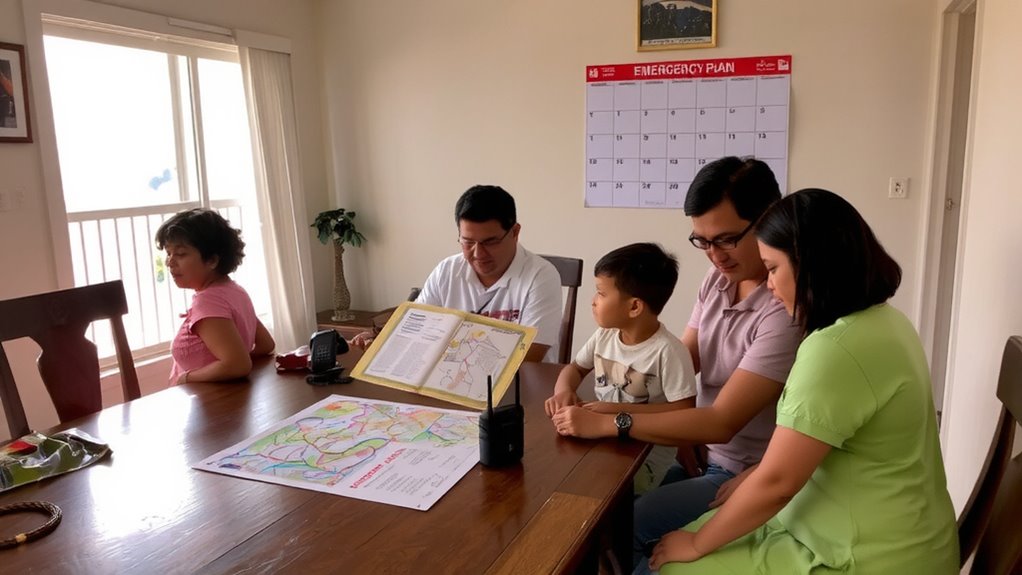
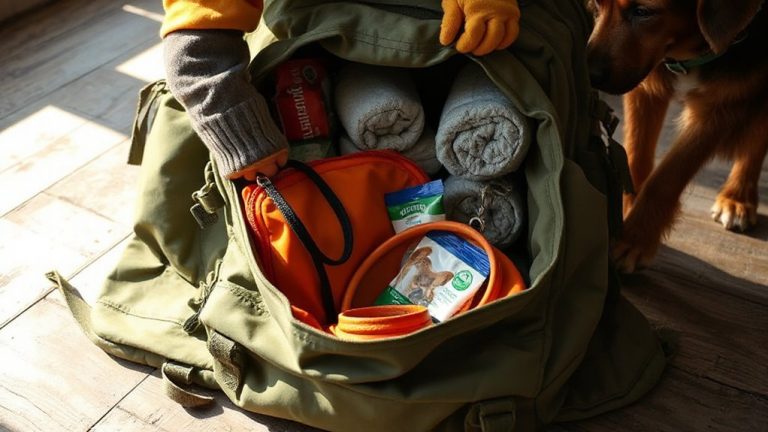
How do you guarantee everyone in your family stays connected when things go sideways? Start by defining clear family roles so each person knows their responsibility during a crisis. Assign one adult as the main contact, another as the decision-maker, and include older kids in support roles. These roles reduce confusion and speed up response. Next, prepare emergency kits tailored to each location-home, car, and work-containing water, food, first aid supplies, flashlights, and radios. A well-packed kit sustains individuals for 72 hours. Test kits every six months to replace expired items. Family roles must be rehearsed quarterly so actions become automatic. Combine roles with accessible emergency kits to build reliability. This plan works because it’s simple, repeatable, and doesn’t rely on technology. When systems fail, structure and preparation keep your family aligned. Include best emergency communication devices in your kits to ensure reliable contact when cell networks are down.
Use Phones, Apps & Backup Ways to Stay Connected
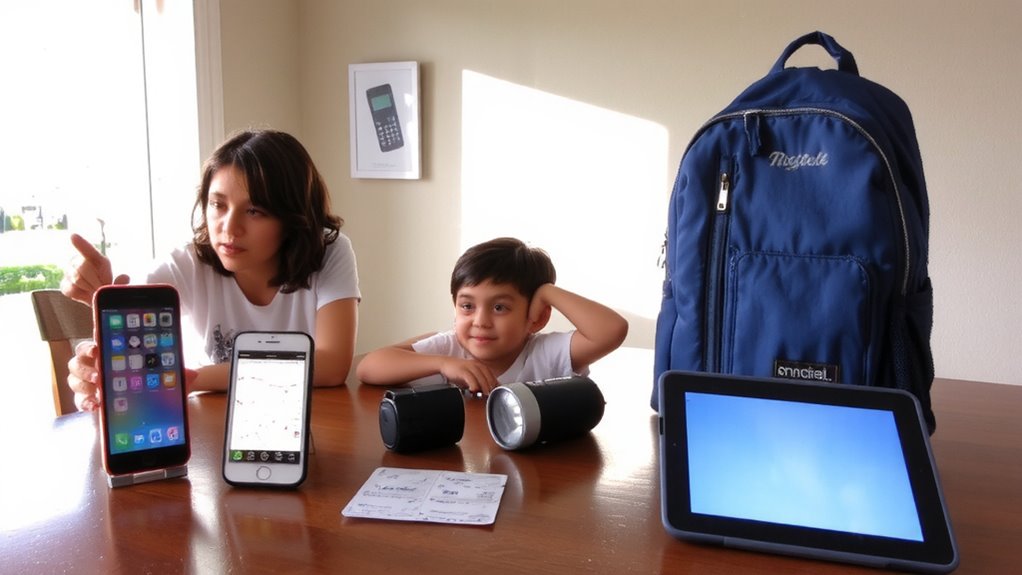
When’s the last time your family actually tested whether your phones would connect during a blackout or network outage? Relying only on cell service is risky. Use multiple tools: phones, apps, and backups. Text alerts often go through when calls don’t. Designate one out-of-state contact as a central check-in point. Social media can relay status updates quickly to many people at once. Choose durable apps like Zello or FEMA app. Charge devices with solar banks. Practice sending text alerts weekly. Test social media reach with a private family group. Keep a printed contact list. Phones fail-backups don’t. For off-grid coordination, consider adding best two-way radios to your emergency kit.
| Method | Reliability in Crisis |
|---|---|
| Text alerts | High (low bandwidth) |
| Voice calls | Low (network overload) |
| Social media | Medium (depends on data) |
| Satellite messengers | High (works off-grid) |
Prepare for Storms, Power Outages & Medical Emergencies
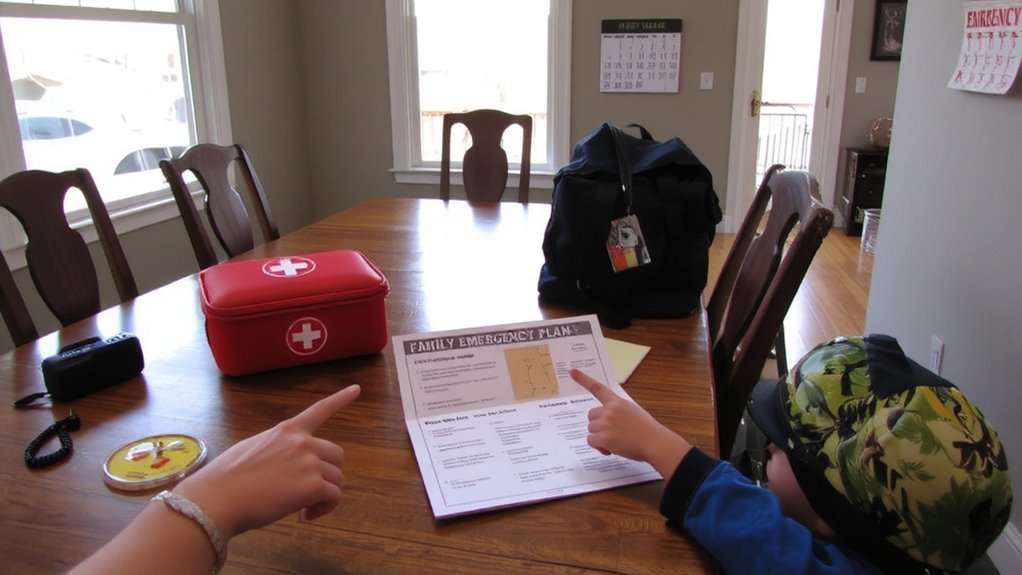
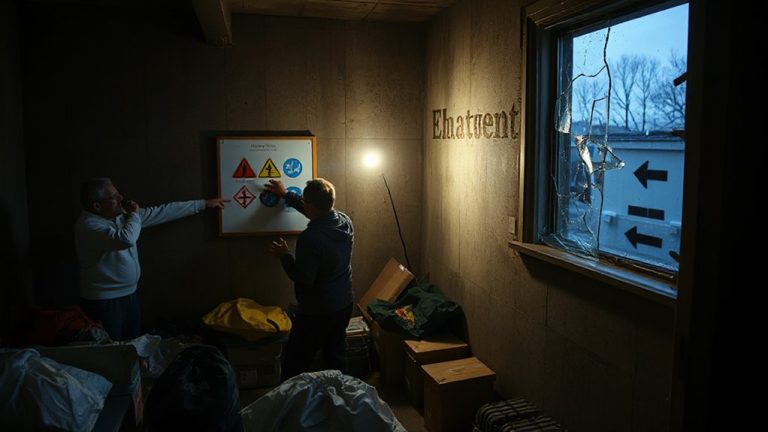
Keeping your family connected during blackouts means planning beyond messaging apps and backup contacts-you need systems that work when the grid fails and medical issues escalate. For storm safety, invest in a NOAA weather radio with battery backup to receive alerts without internet. Keep flashlights, batteries, and a portable generator-if needed-readily available; test them quarterly. Use a power bank with at least 20,000 mAh to keep phones running. For medical preparedness, maintain a home emergency kit with a first-aid supply, prescription backups, and emergency contacts listed clearly. Store it in a waterproof container. Equip each family member with a medical ID if they have chronic conditions. Corded landline phones work during power loss; keep one active. These tools don’t guarantee safety but improve response odds. Storm safety and medical preparedness rely on redundancy, not technology alone. Practice using your kit every six months. Consider choosing one of the top-rated NOAA radios for reliable, real-time weather alerts during emergencies.
Pick Where to Meet If You’re Separated
What happens if you’re not home when disaster strikes? You’ll need a safe location to reunite with your family. Choose an emergency shelter or nearby landmark that’s easy to reach on foot or by car. Make sure it’s not near hazards like power lines or flood zones. Pick one spot close to home and another outside your neighborhood in case roads are blocked. Everyone should know these meeting points by heart.
| Scenario | Meeting Spot |
|---|---|
| Earthquake | Corner park, 2 blocks away |
| Fire | Next-door neighbor’s driveway |
| Flood | Community center on Main St |
| Power Outage | Front porch (if safe) |
| Evacuation | City’s designated emergency shelter |
Test access during daylight and dark. A reliable meetup point increases survival odds when communication fails.
Run Drills and Update Your Plan Every 3 Months
You’ll want to run drills every three months to make sure everyone knows what to do when it counts. Emergency drills test response times and reveal gaps in your strategy. Schedule them consistently so family members practice real-life actions, like evacuating or calling the emergency contact. Use a timer to track how long it takes to meet at your safe spot or reconnect via phone. After each drill, gather feedback and note where confusion occurred. This leads directly into your plan refresh: update contact info, reassess meeting spots, and adjust roles if needed. A plan that isn’t reviewed becomes outdated. Every 90 days, recheck supplies, signal methods, and escape routes. Drills and a plan refresh together maintain readiness without overcomplication. They’re not dramatic events-just necessary checks, like changing smoke detector batteries. Consistency matters more than intensity. Prepare once, test often, adapt.
On a final note
You need a working plan, not just ideas. Test your phones, apps, and backup methods every 3 months. During storms or power outages, some tools fail-battery-powered radios outperform dead smartphones. Meetup spots beat unreliable signals. Drills show gaps fast. Update contacts, numbers, and routes regularly. A simple, tested plan beats complex apps that crash. Real preparedness means checking what actually works when stress hits.