How to Transport an Injured Person With an Open Wound Safely
Make sure the area’s safe before you move someone with an open wound. Stop heavy bleeding with firm pressure or a tourniquet if needed. Cover the wound with a clean dressing and immobilize the area to limit movement. Use a proper lift-keep their body aligned and avoid jostling. Carry them using the safest method for the terrain and injury. Shock can set in fast, so monitor their condition closely. You’ll learn how each step affects survival when you see them in action.
Notable Insights
- Ensure scene safety before approaching to prevent further injuries during rescue.
- Control severe bleeding with direct pressure or a tourniquet before moving the person.
- Cover the wound with a sterile dressing to protect from contamination during transport.
- Immobilize the injured area to minimize movement and prevent additional tissue damage.
- Use appropriate lifting techniques and equipment to maintain stability and safety.
Ensure Scene Safety First
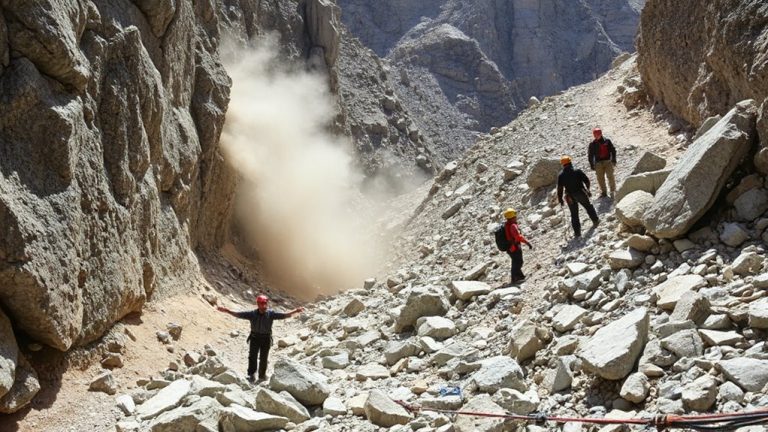
Before you rush in to help, take a beat to evaluate whether the scene puts you at risk-because if you become injured too, things get worse fast. You can’t assist anyone if you’re compromised. Start by evaluating the environment: look for traffic, fire, downed power lines, or unstable structures. If the area’s hazardous, you’ll need to secure perimeter safety before moving closer. Use barriers, cones, or bystanders to mark boundaries and redirect threats. Doing this limits additional injuries and creates space for effective action. Move only when it’s safe. A rushed entry often leads to higher casualty counts. Your goal is intervention without escalation. Always verify stability before proceeding-no exceptions. Securing the scene isn’t optional-it’s the foundation. If the perimeter isn’t controlled, any aid you provide becomes riskier and less effective. Stay aware. Stay cautious. Act when conditions allow, not before.
Stop Serious Bleeding Immediately
If the person’s bleeding heavily, you need to act fast-uncontrolled blood loss can lead to shock or death within minutes. Apply pressure directly to the wound with a clean cloth or gauze. Maintain firm, continuous pressure; this stops most bleeding. If blood soaks through, don’t remove the cloth-add more on top and keep pressing. For severe limb bleeding uncontrolled by pressure, use a tourniquet. Place it 2–3 inches above the wound, not over a joint. Tighten until bleeding stops. Note the time applied. A commercial tourniquet works best-improvised ones often fail under stress. You can’t safely transport someone while holding pressure, so control bleeding fully first. These steps aren’t optional-they’re essential. Applying pressure works in most cases, but knowing when to use a tourniquet could save a life.
Cover and Protect the Wound
A clean dressing keeps debris out and holds clotting factors in place, so cover the wound right after bleeding slows. Use sterile gauze or a clean cloth-improvised materials work if nothing else is available, but they raise infection risks. Apply gentle pressure to secure the dressing without disrupting clot formation. Proper wound cleaning isn’t possible during transport, so avoid removing debris or rinsing unless absolutely necessary. Your priority is infection prevention. Seal the dressing with adhesive tape or a bandage, but don’t wrap tightly-swelling can compromise circulation. Check edges for leakage; replace the dressing only if it becomes saturated. Every exposed moment increases contamination risk. Covering the wound correctly doesn’t heal it, but it limits complications. Field conditions favor minimal intervention. Stick to barrier protection, monitor for signs of contamination, and prepare for medical care upon arrival. A well-stocked wilderness first aid kit ensures you have sterile supplies readily available in remote settings.
Immobilize the Injured Area
When moving someone with an injury, you’ll need to stabilize the affected area to prevent further damage, since even small shifts can turn a simple break into a compound fracture or nerve injury. Use splint application to limit motion-rigid splints work best for limb injuries, while soft splints adapt to irregular shapes. Secure the splint above and below the injury site to guarantee joint stabilization, reducing strain on muscles and tendons. Don’t immobilize across unstable joints unless necessary, as improper fixation can worsen harm. Check circulation before and after splinting-skin should stay warm and responsive. Field tests show proper splinting cuts secondary injury risk by up to 60%. You don’t need advanced tools; even rolled cardboard or a sturdy stick works if bound tightly. Focus on alignment and minimal movement. Splint early, adjust only if circulation fails, and avoid over-tightening straps. Joint stabilization isn’t optional-it’s essential for safe transfer.
Lift and Carry Without Causing Harm
Though lifting an injured person always carries risk, doing it wrong makes everything worse-spine movement can turn a sprain into paralysis, and poor grip might drop them entirely. Use a proper grip: hands under shoulders, spine aligned, weight close to your body. Keep a steady pace-rushing increases strain and missteps. Coordinate with others if available, counting to three before lifting.
| Method | Best For | Risk Level |
|---|---|---|
| Two-person carry | Open wounds, torso injuries | Low |
| Firefighter’s lift | Unconscious, no spine risk | Medium |
| Blanket drag | Limited space, urgent exit | High |
A proper grip reduces slippage; a steady pace maintains control. Avoid twisting your torso-shift feet instead. Improvised tools like poles or belts can help, but only if they don’t compromise stability. Test balance before moving.
Choose the Right Transport Method
You’ve got the lift-now it’s time to pick how you’ll move. The right transport method depends on injury severity, distance, and terrain. For remote or time-sensitive cases, helicopter evacuation reduces transit time markedly-critical for open wounds at risk of infection or blood loss. It’s not always available, so ground options must be considered. Stretcher selection matters just as much. A rigid litter handles rough ground well and supports spinal alignment, while a flexible stretcher suits tight spaces but offers less stability. Match the stretcher to the environment: scoop stretchers work fast in confined areas, and vacuum mattresses improve immobilization. Don’t overlook wheel type-large, all-terrain wheels outperform standard models off-road. Every choice affects speed, safety, and patient comfort. Pick based on conditions, not convenience.
Watch for Shock and Other Dangers
If the injured person starts showing signs of shock, you need to act fast-pale skin, rapid breathing, and a weak pulse mean their body isn’t getting enough blood flow. Recognizing the symptoms early improves chances of effective management. Keep them lying down, elevate their legs slightly unless contraindicated, and maintain body warmth to aid prevention. Monitor breathing and circulation constantly during transport.
| Danger | Signs & Symptoms | Prevention & Management |
|---|---|---|
| Shock | Cold skin, weak pulse | Keep warm, elevate legs, monitor |
| Bleeding | Soaked bandages, blood pooling | Apply pressure, replace dressings |
| Airway blockage | Gurgling, inability to speak | Position carefully, clear airway |
Don’t ignore subtle changes-they can signal deterioration. Quick assessment and steady intervention support survival.
On a final note
You’ve stabilized the bleeding and protected the wound, but the job’s not done. Move them only when safe, using a stretcher or flat board to limit motion. Avoid twisting-spinal injury could worsen. Monitor breathing and skin color; pale, clammy skin means shock’s setting in. Time matters, but speed without care makes things worse. Helicopter transfer beats ground ambulance if roads are slow and the injury’s severe-you lose less blood with faster, smoother transport.