Improvised Bandaging Techniques Using Clothing and Natural Fibers
Use clean, tightly woven clothing like cotton shirts to make effective improvised bandages for minor to moderate wounds. Tear fabric into 2–3 inch strips and apply with firm, non-restrictive pressure to control bleeding. Natural fibers like milkweed or nettle work in a pinch but require boiling to reduce infection risk and lack elasticity, so check often. Always clean the wound with boiled materials and replace dressings every 24 hours. There’s more to contemplate when choosing materials in the field.
Notable Insights
- Use clean, tightly woven clothing like cotton shirts to create 2–3 inch wide strips for effective wound coverage.
- Tear fabric along the grain to prevent fraying and ensure durable, straight bandage strips.
- Apply direct pressure with a boiled cloth or clean moss pad to control bleeding before securing with fabric or plant fibers.
- Twist strong natural fibers from milkweed or nettle into cords for binding, but check frequently for constriction.
- Sterilize materials by boiling when possible and replace improvised bandages every 24 hours to reduce infection risk.
When to Use an Improvised Bandage
While you might not always have a commercial first aid kit on hand, knowing when to use an improvised bandage can make a real difference in managing injuries. You should apply one when needed to control bleeding, protect wounds from contamination, or stabilize injuries until professional help arrives. Clean, tightly woven fabrics work best-think cotton shirts or towels-to minimize fiber shedding. An improvised bandage isn’t a long-term fix but serves as immediate emergency care. It’s effective for minor to moderate wounds but not for severe trauma requiring medical intervention. Pressure should be firm but not restrictive. You can adjust materials based on availability, though synthetic blends hold less absorbency than natural fibers. Always monitor for swelling or discoloration. When needed, even a torn bedsheet provides adequate support. Emergency care often demands practical choices, and an improvised bandage meets basic requirements when used correctly.
Make One From Clothing in Minutes
You can turn everyday clothing into a functional bandage in under five minutes if you know what to look for and how to use it. Start by selecting clean, tightly woven fabric from a shirt, sock, or pant leg-synthetic or cotton both work. Tearing fabric along the grain gives you straight, strong strips about 2 to 3 inches wide and at least 18 inches long. Rough edges won’t affect performance. Apply light pressure to the wound with a folded section, then secure it using a wrapping technique: spiral the strip firmly around the limb or injury site, overlapping by half. Avoid excessive tension to maintain circulation. Knots should be tight but easy to adjust. This method provides reliable compression and holds in place during movement. While not sterile, it’s effective for temporary control. Tearing fabric and wrapping technique are basic skills that markedly improve immediate care outcomes.
Use These Natural Materials to Help
Natural materials can work in a pinch when conventional supplies aren’t available. You can use plant fibers from strong, fibrous plants like milkweed, nettle, or dogbane to create basic binding strips. These fibers, when twisted or braided, offer moderate tensile strength-enough to hold a dressing in place. Moss padding, when clean and compressed, serves as a functional wound pad. It absorbs light drainage and cushions minor scrapes or cuts. However, moss must be gathered from a contaminant-free source and ideally should be sterilized by boiling if possible. Plant fiber bindings lack the elasticity of commercial bandages, so check frequently for constriction. Moss padding doesn’t stay dry long in wet environments, reducing effectiveness over time. Both materials are temporary. They perform adequately in short-term survival scenarios but degrade faster than synthetic alternatives. Their reliability depends on proper selection, preparation, and environmental conditions.
How to Apply Pressure and Secure It
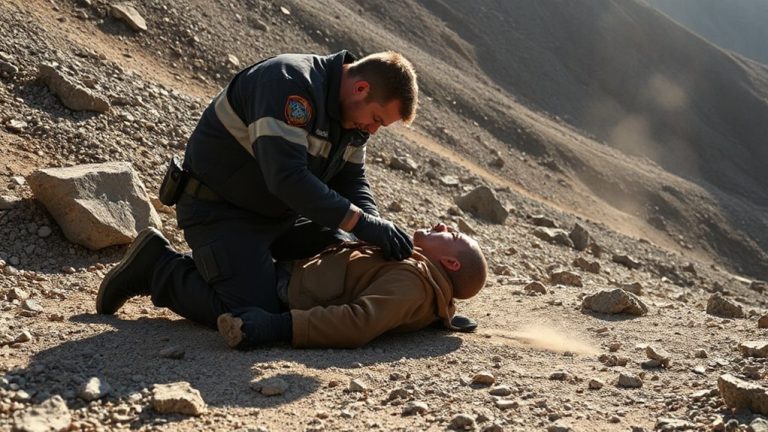
After preparing natural materials like plant fiber strips and moss padding, the next step is controlling bleeding and stabilizing the injury. Apply direct pressure using a clean cloth or moss pad-hold it firmly over the wound for at least 5–10 minutes. This helps slow blood flow and encourages clotting. If bleeding soaks through, add another layer instead of removing the first. Use long plant fibers or torn clothing strips to bind the pad in place.
| Method | Effectiveness |
|---|---|
| Direct pressure | High |
| Moss padding | Moderate |
| Fiber tying | High |
| Secure knotting | Critical |
Secure knotting prevents slippage and maintains pressure. A simple double knot works best-tighten it alongside the limb, not over the injury. Check circulation beyond the bandage to avoid restricting blood flow. Improvised ties stretch, so recheck tension every 15 minutes. Direct pressure combined with secure knotting offers reliable short-term control. Carrying a dedicated wilderness first aid kit can provide superior materials and tools for more effective wound management in remote settings.
Keep the Wound Clean in the Wild
A clean wound is less likely to become infected, and in the wild, even a minor infection can turn serious fast. You need basic sterile techniques to limit contamination. Wash your hands if possible, and use the cleanest water available to rinse the wound. Remove debris with boiled tweezers or a sterilized knife. If you have no medical supplies, a tightly woven, boiled cotton cloth offers decent infection prevention. Boiling for 10 minutes kills most pathogens, making clothing viable in a pinch. Avoid moss or grass unless dried and heated-natural fibers vary in cleanliness. Re-boil or replace improvised bandages every 24 hours. Dry, covered wounds heal better. You can’t achieve hospital sterility, but minimizing touch and using heated materials improves outcomes. Prioritize barrier protection and frequent, simple cleaning. These steps aren’t perfect, but they reduce infection risks when help is hours or days away.
On a final note
You’ll need a bandage that holds without slipping, and clothing or natural fibers can work in a pinch. Tightly woven fabric supports pressure better than loose fibers. Natural materials like moss or spider silk may absorb blood but won’t stay in place. Secure with a knot or tuck, but check circulation. These fixes last minutes, not hours. Real bandages seal and stretch; improvised ones don’t. They’re adequate, not ideal.