Why Library Demonstration Gardens Teach Patrons About Urban Foraging Safety
You learn urban foraging safety in library demonstration gardens because they let you practice identifying edibles and poison look-alikes like poison hemlock and wild carrot without risk. Labeled plants, expert guidance, and real plant specimens build reliable recognition skills. These gardens teach responsible harvesting, timing, and pollution avoidance in a controlled space. Mistakes here are lessons, not emergencies. There’s more to gain from their structured learning approach.
Notable Insights
- Library gardens provide labeled edible plants for safe, hands-on identification practice.
- They teach patrons to distinguish toxic look-alikes using reliable visual and sensory features.
- Gardens promote foraging ethics like taking only what’s needed and leaving no trace.
- They highlight risks of harvesting in polluted areas, such as near roads or vacant lots.
- Libraries offer expert-led classes and tours to reinforce safe, sustainable urban foraging habits.
What Is Urban Foraging: And Is It Safe?
Ever wondered where to find fresh food in the city beyond grocery stores? Urban foraging lets you harvest edible plants in public spaces, but safety depends on your knowledge and choices. You must master edible identification-mistaking poison hemlock for wild carrot can be fatal. Always use reliable field guides or apps with verified databases, not guesswork. Equally important are foraging ethics: take only what you need, leave no trace, and avoid overharvesting. Don’t forage in polluted areas like near busy roads or treated lawns-chemical contaminants accumulate in plants. Public parks may have restrictions, so check local rules. Your actions affect others and the ecosystem. Successful foraging isn’t just about finding food; it’s about respecting limits, ensuring safety, and acting responsibly. With proper skills, urban foraging can be a viable, sustainable food source-if you prioritize accuracy and ethics every time.
Why Your Library Has an Edible Garden
You might not expect to find kale or strawberries in a library’s backyard, but many public libraries now maintain edible gardens for practical reasons. These spaces support community building by giving people common ground-literally-to share knowledge, tools, and harvests. They’re not just for show; they serve as living classrooms for environmental education, teaching sustainable practices like composting, water conservation, and seasonal planting. Libraries use them to engage diverse age groups in hands-on learning, bridging gaps between urban residents and food sources. The gardens also model safe, responsible foraging by clearly labeling plants and discouraging random harvesting. Unlike private plots, they’re accessible to all, promoting equity in food and education. There’s no marketing or hype-just measurable outcomes: increased program attendance, better plant literacy, and stronger neighborhood ties. It’s practical, low-cost, and scalable.
How to Spot Edible Plants (And Avoid Poisonous Look-Alikes)
Public libraries with edible gardens offer a safe starting point for learning plant identification, but stepping beyond those labeled plots means relying on your own judgment. You must learn key features like leaf shape, stem structure, and scent to distinguish edibles from toxic look-alikes. Mistaking poison hemlock for wild carrot could be fatal, so accurate plant identification isn’t optional-it’s essential. Many edible plants have dangerous counterparts with nearly identical appearances, increasing toxicity risks. Use field guides with clear photos and cross-reference at least three reliable sources before consuming anything. Touch-testing won’t protect you; some toxins absorb through skin. Apps can help, but they’re not foolproof. When in doubt, throw it out. There’s no reward for guessing right-only danger in guessing wrong. Confidence comes from repeated, verified observation, not assumption. Your safety depends on precision, not hope.
When and Where to Harvest in the City
When should you harvest city plants for the safest, most nutritious yield? The best seasons are spring and early fall, when rainfall is adequate and pollution buildup from summer heat is lower. You’ll get better nutrient density and fewer contaminants this way. Harvest zones matter just as much. Avoid areas near heavy traffic or industrial sites. Stick to designated green spaces like library demonstration gardens, parks, or residential tree lawns where chemical use is minimal.
| City Zones | Best For |
|---|---|
| Parks & Gardens | Greens, berries, herbs |
| Residential Streets | Nuts, fruit trees |
| Vacant Lots | Risky-high contamination |
| Greenways/Trails | Edibles with regular access |
Focus on reliable city zones and time your harvests right.
What Goes Wrong When You Forage (And How to Stay Safe)
Choosing the right time and place sets the foundation, but even careful timing won’t eliminate the risks that come with foraging in urban environments. You might mistake toxic plants for edible ones-improper identification is one of the most common and dangerous errors. Without clear markers or expert guidance, it’s easy to confuse look-alikes like poison hemlock with wild carrot. Even if the plant is correctly identified, location matters just as much. You’re likely to encounter contaminated soil near roads, industrial sites, or treated lawns, where heavy metals or chemicals accumulate in roots and leaves. These toxins don’t wash off and can make you sick. Always test soil in foraging areas if possible, and avoid harvesting within 10 feet of paved surfaces. Stick to known safe zones and double-check every feature before consuming anything. Your health depends on caution, not guesswork.
How Library Gardens Teach Urban Foraging Skills
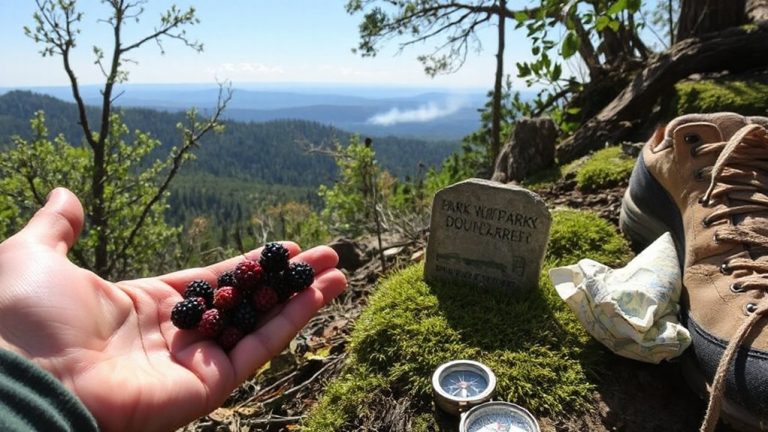
A well-tended library garden doubles as a hands-on classroom where you learn to spot edible plants safely and accurately. You practice plant identification using labeled specimens, comparing leaf shape, stem structure, and growth patterns to confirm edibility. Mistaking look-alikes can be dangerous, so the garden gives you real experience without risk. Seasonal harvesting is taught through observation and timing-you see when strawberries ripen in early summer or when kale peaks after fall frosts. This direct exposure builds reliable habits. You learn which parts of a plant are safe to eat and when, based on growth stage and environmental conditions. Instruction emphasizes consistency and caution over speed or yield. There’s no guesswork encouraged, only repeatable methods. You leave knowing how to apply these skills beyond the garden, in parks or vacant lots, with a focus on safety, accuracy, and respect for plant life cycles.
Find Local Foraging Classes and Garden Tours
You’ve learned how library gardens build your ability to identify edible plants with confidence and caution, but taking that knowledge into the wild means finding more opportunities to practice under guidance. Local foraging classes offer structured practice in plant identification, often led by botanists or experienced foragers who clarify look-alike species and seasonal changes. These sessions typically last 2–4 hours and include hands-on walks through parks or nature reserves. Garden tours at urban farms or botanical sites also reinforce safe choices, showing where and how plants grow in different environments. Both options emphasize foraging etiquette-taking only what you need, avoiding contaminated areas, and respecting private property. You’ll retain more by doing, not just reading. Check library bulletin boards, university extensions, or local conservation groups for low-cost or free events. Verify instructor credentials to guarantee accurate, science-based teaching. These outings are practical next steps, not substitutes for due diligence.
On a final note
You can trust library demonstration gardens to teach urban foraging basics clearly and safely. They label plants accurately, show real edible versus poisonous pairs, and offer timed harvest tips based on local growing cycles. These gardens don’t glamorize foraging-they show risks, like pollution exposure or misidentification, and how to avoid them. You gain practical skills through guided examples, not guesswork. It’s reliable, hands-on learning with measurable results.