Regional Disaster Risks Around the World: A Comprehensive Overview of Vulnerabilities by Country
You face higher disaster risks depending on your region’s geography and infrastructure. In Asia, earthquakes, typhoons, and monsoon floods expose millions due to dense populations and weak building codes. The Caribbean contends with powerful hurricanes and storm surges, worsened by low elevation and aging defenses. Sub-Saharan Africa struggles with prolonged droughts and food insecurity, hitting rain-dependent farms hardest. Even industrialized nations aren’t immune-interconnected systems mean power failures or cyber threats can amplify natural shocks. Your safety hinges on local preparedness, not just hazard levels-knowing what’s next changes how you respond.
Notable Insights
- Asia faces frequent earthquakes, typhoons, and monsoon floods due to tectonic activity and seasonal climate patterns.
- The Caribbean and Central America are highly vulnerable to intense hurricanes and storm surges from warming oceans.
- Sub-Saharan Africa suffers severe drought, water scarcity, and food insecurity, worsened by climate change and arid conditions.
- Coastal and island nations experience accelerating erosion and inundation threats from sea level rise and extreme weather.
- Urban density, weak infrastructure, and informal settlements increase disaster risks in high-exposure regions worldwide.
Why Some Countries Face Higher Disaster Risks
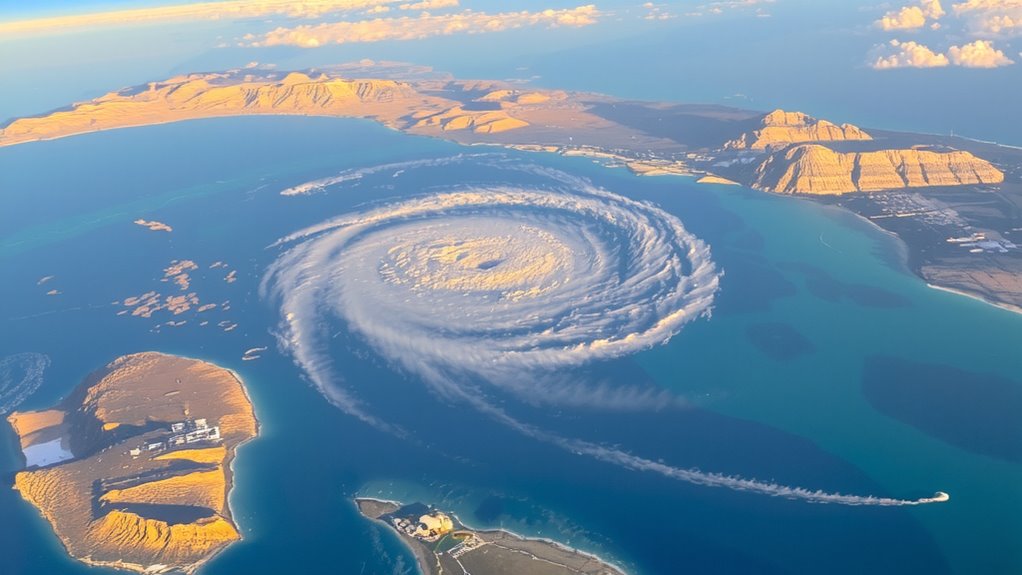
You’re more likely to face severe disaster risks if you live in a country with high exposure to natural hazards and low capacity to respond. Weak infrastructure and limited emergency services reduce your odds of surviving events even moderate in scale. Geopolitical instability worsens the situation-conflict or corrupt governance delays aid and undermines planning. You can’t rely on timely evacuations or medical care when systems are already strained. Urban overcrowding multiplies danger; densely packed housing increases casualties and blocks escape routes. In cities where buildings aren’t enforced to safety codes, even minor quakes or storms cause major damage. Limited green space and overwhelmed drainage systems heighten secondary risks. Your ability to prepare or recover depends heavily on governance, planning, and space. Without stable institutions and room to absorb shocks, your exposure stays high. Mitigation isn’t just about warnings-it’s about systems that work before, during, and after.
Asia’s Highest Disaster Risks: Earthquakes, Typhoons, and Floods
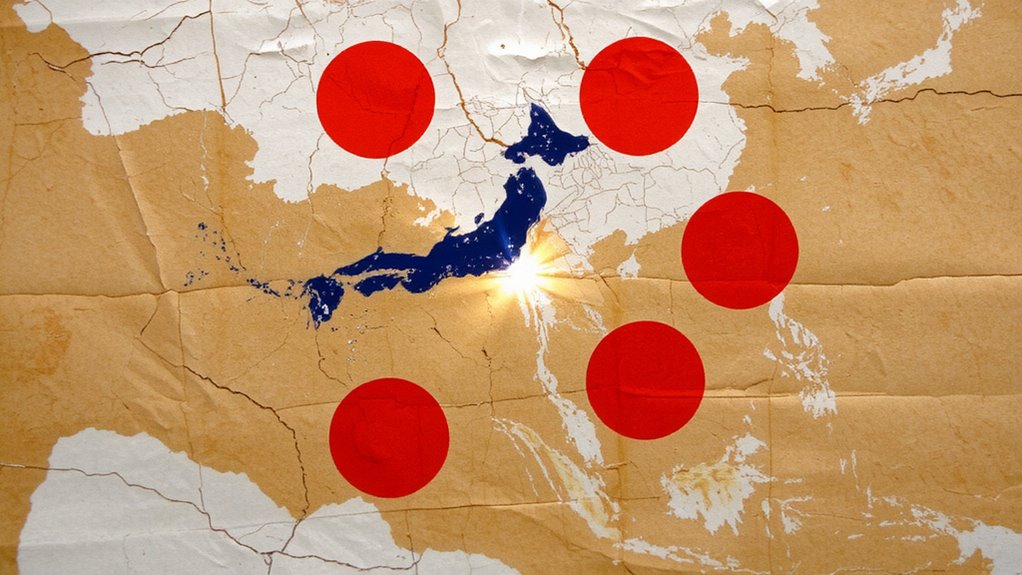
Asia bears the brunt of the world’s most frequent and destructive natural disasters, a reality shaped by both its geographic position and the vulnerabilities outlined in high-risk countries. You face earthquakes due to active tectonic zones, especially along the Pacific Ring of Fire, where building codes often lag behind risk levels. Typhoons strike coastal regions yearly, testing your infrastructure and evacuation plans. Floods follow monsoon seasons, so monsoon resilience is critical-you’ll need durable drainage systems and elevated housing. Tsunami preparedness isn’t optional where subduction zones exist; early warning systems and community drills save lives. Countries like Japan and the Philippines set benchmarks, but many areas lack resources for consistent implementation. You must prioritize low-cost, scalable solutions-think flood barriers, retrofitting schools, and mobile alerts. Trade-offs between speed, cost, and durability matter daily. Practical readiness beats theoretical plans when seconds count.
Hurricane Risks in the Caribbean and Central America
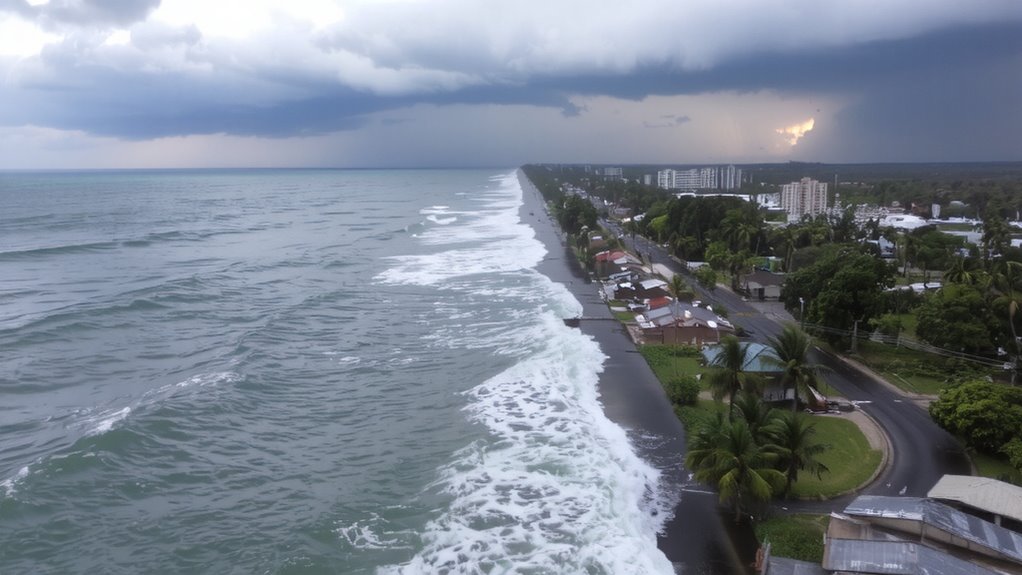
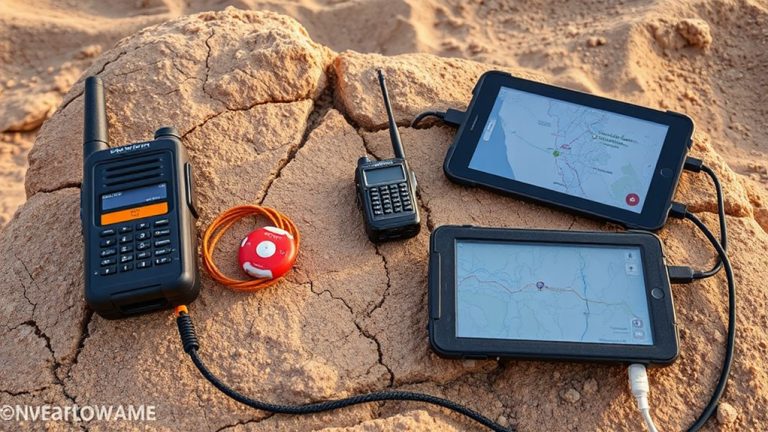
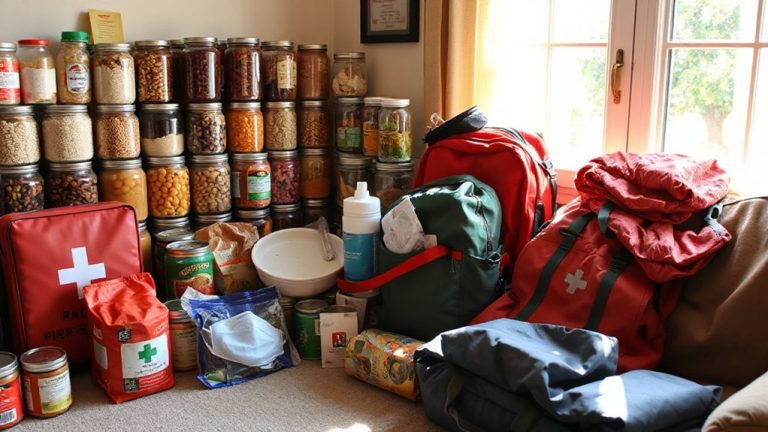
When hurricane season rolls around, you’re facing winds that can exceed 150 mph and storm surges topping 20 feet, especially in the Caribbean and along Central America’s eastern coasts. Your risk hinges on storm intensity, which has trended upward due to warmer sea surface temperatures, increasing the likelihood of Category 4 and 5 systems. Coastal exposure amplifies danger-low-lying islands and densely populated shorelines offer little natural buffer. You’ll see greater structural damage where elevation is minimal and building codes are weak. Infrastructure like drainage and power grids often fails under sustained winds and heavy rainfall. Islands like the Bahamas and territories such as Honduras’ Bay Islands face recurring threats, with recovery periods shortened by back-to-back seasons. Preparedness measures-reinforced shelters, early-warning systems, evacuation routes-reduce impact, but resource limits hinder full resilience. Geographic location guarantees you’ll confront these storms regularly, with storm intensity and coastal exposure defining your actual vulnerability. Investing in a well-stocked disaster preparedness kit can significantly improve safety and resilience during and after hurricane impacts.
Drought and Climate Stress in Sub-Saharan Africa
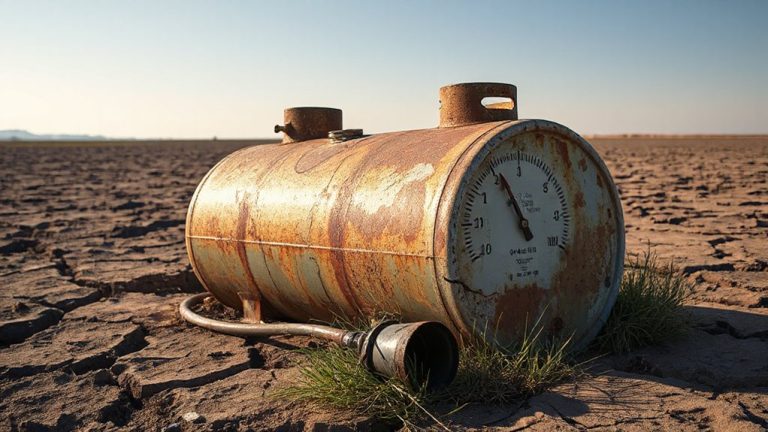
While hurricanes dominate the Atlantic coastlines, a different kind of climate threat grips Sub-Saharan Africa-prolonged drought and mounting climate stress that strain water supplies, crop yields, and daily survival. You face worsening water scarcity, where dry seasons stretch longer and wells run dry. Food insecurity rises as crops fail and livestock perish. These aren’t isolated events-they’re recurring stressors weakening resilience across regions reliant on rain-fed agriculture.
| Factor | Impact Level |
|---|---|
| Water Scarcity | Severe, widespread |
| Crop Yield Decline | Up to 50% in dry years |
| Livestock Loss | High in arid zones |
| Food Insecurity | Affects 100M+ people |
Adaptation relies on drought-resistant crops and improved water management. You’ll need practical tools-not promises-because incremental changes determine survival here. Systems fail when rain doesn’t come, so planning assumes scarcity, not abundance.
How Industrialized Nations Still Face Major Disaster Risks
Even with advanced infrastructure and early warning systems, you’re not immune to catastrophic disruptions-industrialized nations still face major disaster risks that can overwhelm response capabilities in hours. Urban infrastructure, though resilient, is concentrated and interconnected, making cities vulnerable to cascading failures during extreme events. A power grid failure in one region can disrupt communications, transport, and medical services across multiple states. Technological failures, such as software malfunctions or cyberattacks, compound these risks, especially when backup systems are outdated or insufficient. You rely on complex supply chains that can snap under stress from natural disasters or accidents. Floods, earthquakes, or storms don’t need to be record-breaking to paralyze critical nodes. When high-density living meets aging utilities and unforeseen system errors, the margin for error shrinks. Preparedness isn’t just about prediction-it’s about managing failure when safeguards fail. You can’t automate away all risk.
Measuring Disaster Vulnerability: The Most At-Risk Countries
You’re not just at risk because of where you live, but because of how prepared- or unprepared-your country is when disaster hits. Coastal erosion undermines infrastructure and increases flood exposure, especially where populations grow near unstable shorelines. Urban sprawl spreads resources thin, leaving emergency services stretched and evacuation routes overwhelmed. Countries with weak building codes, limited early-warning systems, and high exposure to environmental stressors consistently rank as most vulnerable. You face greater danger when development outpaces resilience planning. Low-income nations often lack funding for maintenance and adaptation, making recovery harder. Even in high-risk zones, preparedness reduces fatalities. You’re better protected where governance is strong, data is used effectively, and investment targets risk reduction. Vulnerability isn’t just geography-it’s policy, planning, and prioritization. Coastal erosion and urban sprawl worsen outcomes where oversight is weak.
Natural Disaster Hotspots by Region and Risk Level
Some regions on Earth carry a heavier burden of natural disaster risk due to their geographic position, environmental conditions, and frequency of extreme events. You’ll find the highest risk in the Pacific Ring of Fire, where volcanic eruptions are common and tectonic activity drives frequent earthquakes. Southeast Asia faces seasonal typhoons and flooding, while the Caribbean contends with hurricanes that accelerate coastal erosion. In low-lying island nations, rising seas worsen erosion, threatening infrastructure and freshwater supplies. South Asia sees monsoon-driven landslides and cyclones, and parts of East Africa endure recurring droughts and flood cycles. Meanwhile, the U.S. Gulf Coast and Japan invest heavily in early warning systems and resilient construction because their exposure is predictable and severe. You can’t eliminate these risks, but understanding regional patterns helps prioritize preparedness. Volcanic eruptions and coastal erosion aren’t just isolated events-they’re signals of long-term environmental pressures demanding sustained planning and adaptation where populations are most exposed.
On a final note
You face higher disaster risks depending on where you live. Some countries endure more due to geography, climate, and infrastructure gaps. Asia sees frequent earthquakes and floods. The Caribbean faces intense hurricanes. Sub-Saharan Africa battles drought. Even industrialized nations aren’t immune-floods, storms, and wildfires hit hard. Risk isn’t just about events, but preparedness. Knowing your region’s threats helps you respond effectively.