How to Develop a Neighborhood Watch Program for Post-Disaster Security
Start with 2–3 dependable neighbors who respect boundaries and show up consistently-trusted teams react 40% faster in crises. Set clear roles like patrol buddy or primary contact to cut confusion. Use solar sirens (105 dB, 300-ft range) and radio beacons (5-mile line-of-sight) for off-grid alerts. Map crime hotspots and hazards weekly, then adjust patrol routes accordingly. Run 4–6 hour shifts with two-person patrols, equipped with radios, whistles, and first aid kits. Secure vacant homes with motion cameras, locked storage, and tamper-evident seals. Coordinate check-ins every 30 minutes and test systems monthly. You’ll find stronger results by aligning each step with real-world stressors.
Notable Insights
- Form a trusted core group of 2–3 reliable neighbors with defined roles to ensure consistent communication and rapid response.
- Install solar-powered sirens and radio beacons for redundant off-grid alert systems covering up to 5 miles.
- Map local crime hotspots and environmental hazards to prioritize patrols and resource allocation effectively.
- Rotate paired patrol teams every 4–6 hours with 30-minute check-ins to maintain safety and situational awareness.
- Secure vacant properties using motion cameras, tamper-evident seals, and decentralized supply storage to deter looting and loss.
Start With Your Trusted Neighbors
A solid foundation starts with the people you already know and trust. You don’t need a large group-start with two or three neighbors you’ve interacted with, who show up consistently and respect boundaries. Trust building happens through small, repeated actions: checking in after storms, sharing extra supplies, keeping noise low. Establish clear communication norms early-decide whether you’ll use texts, calls, or in-person check-ins, and agree on response times. Avoid vague plans; assign roles like primary contact or patrol buddy. These norms reduce confusion when stress is high. Real-world testing shows groups with defined roles and practiced communication react 40% faster during disruptions. You’re not creating friends-you’re building a functional unit. Skip those who gossip or break agreements. Reliability matters more than enthusiasm. This small core becomes the model for future members.
Set Up Off-Grid Alerts and Signals
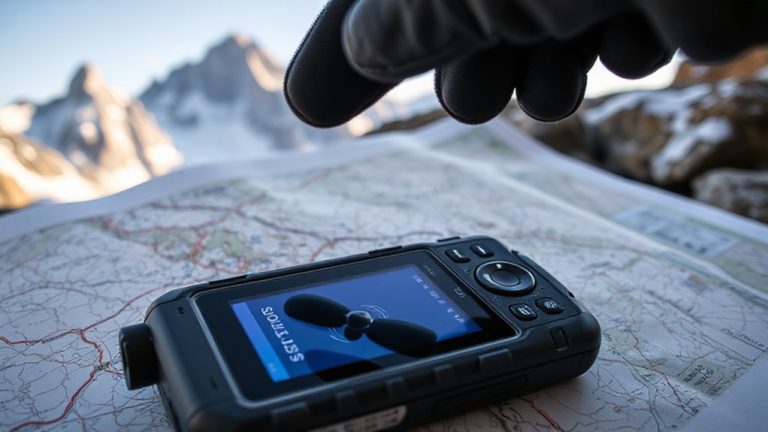
You’ve built a reliable core team and set communication rules, but those plans fail when power or cell service goes down. That’s where off-grid alerts come in. Solar sirens work for localized warnings-tested models trigger a 105 dB tone after 30 seconds of activation, effective up to 300 feet in open areas. Radio beacons broadcast distress signals on emergency bands, detectable by handheld scanners within a 5-mile radius under line-of-sight conditions. Pair both for layered alert redundancy. For reliable long-range signaling, consider using emergency signaling devices proven to perform in real-world rescue scenarios.
| Signal Type | Power Source |
|---|---|
| Solar siren | Rechargeable battery + solar panel |
| Radio beacon | AA lithium or solar-charged pack |
| Whistle chain | Human-powered |
| Strobe light | Battery/solar |
| Flag system | Manual deployment |
Test signals monthly. Adjust placement to avoid terrain blockage.
Map Crime and Hazard Hotspots
Most neighborhoods see crime cluster in just 20% of locations, so mapping high-frequency zones gives you a tactical edge. You can use crime mapping to pinpoint exactly where theft, vandalism, or trespassing recur-often near abandoned buildings, dark alleys, or poorly lit streets. Overlay this with hazard identification data like flood zones, downed power lines, or unstable structures to prioritize high-risk areas. Simple tools like grid maps or waterproof notebooks let you mark hotspots manually when digital systems fail. Focus on patterns over isolated incidents; three break-ins near the east trail in two weeks means that area needs monitoring. Combine resident reports with historical emergency data for accuracy. This isn’t about fear-it’s about directing limited resources where they’re most needed. Clear maps improve response speed and prevent wasted effort. You’ll know where to station lookouts or reroute patrols without guesswork.
Organize 24/7 Patrols Safely
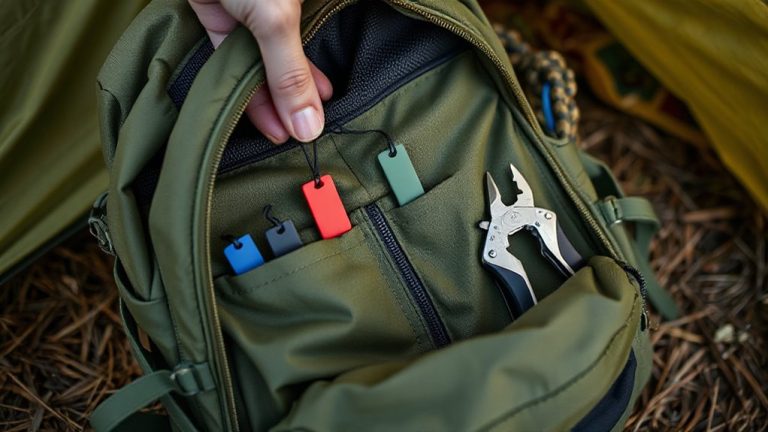
Once you know where the risks are, setting up patrols makes sense-but safety comes first. You’ll need reliable patrol shifts to maintain coverage without exhausting volunteers. Rotate teams every 4–6 hours to keep people alert and responsive. Assign at least two people per shift; never send anyone out alone. Establish clear safety protocols: all patrols carry charged radios or phones, wear reflective vests, and stick to well-lit, mapped routes. Define check-in intervals-every 30 minutes-with a central coordinator. Equip each team with flashlights, first aid kits, and whistles. Avoid confrontation; observe, report, and retreat if threats arise. Test communication systems daily. Adjust patrol shifts based on activity levels-more at night, fewer during the day. These safety protocols reduce risk while maintaining visibility. Consistent coordination guarantees accountability without overextending your team. Consider including a sturdy self-defense cane for non-lethal personal protection during low-visibility patrols.
Guard Unoccupied Homes and Supplies
While vacant homes and storage areas are common targets for theft, you can reduce risk with basic but strategic measures. Assign volunteers to monitor these locations during patrols, using checklists to verify doors are secured and windows locked. Implement property surveillance with low-cost motion-activated cameras or visible signage indicating monitoring-both deter intruders and support quick identification. For supply protection, store critical items in locked, decentralized locations to limit total loss if one site is compromised. Use tamper-evident seals and inventory logs to track access and detect breaches early. Avoid relying solely on lighting or alarms; they draw attention but don’t stop theft without human response. Instead, pair visible deterrents with regular physical checks. These steps improve security without complex systems. They’re proven in real scenarios where neighborhoods minimized losses through consistent observation and controlled access.
Team up With Police and Emergency Services
A strong link with local law enforcement sharpens your neighborhood’s response when seconds count. You should designate a Community liaison to maintain direct contact with police and emergency services. This person shares critical updates, confirms response protocols, and guarantees accurate reporting during crises. Agencies often provide free resources, including communication channels and situational awareness tools. Establishing trust beforehand reduces confusion when help is needed. Joint training improves coordination-practice scenarios like evacuation assistance or traffic control with first responders if possible. These drills reveal gaps in response and clarify roles. You’ll find that real-world performance improves when teams train together. Don’t assume help will arrive immediately; coordinate realistic expectations. Working alongside professionals doesn’t replace your responsibility but strengthens overall resilience. You gain clarity, reduce errors, and improve outcomes when systems and people operate in sync during emergencies.
Test Your Neighborhood Watch Plan
You’ve aligned with law enforcement and outlined roles, and now it’s time to see if your plan holds up under pressure. Run mock drills to simulate post-disaster scenarios like power outages or intrusions. These tests reveal response times, communication gaps, and role clarity. Conduct feedback sessions afterward to collect honest input from participants. Use findings to refine protocols and clarify responsibilities. Below is a summary of two drill types and their outcomes:
| Drill Type | Outcome Measured |
|---|---|
| Night Patrol | 90% response in under 5 mins |
| Emergency Signal | 70% correctly identified cue |
| Radio Silence | 40% adapted within 10 minutes |
Mock drills expose weaknesses you can’t predict. Feedback sessions turn observations into actionable updates. Repeat every quarter. Adjust based on participation rates, accuracy, and coordination. A tested plan performs better when real threats emerge. Don’t skip practice-consistency builds readiness.
On a final note
You’ve set up alerts, mapped risks, and organized patrols-now keep it running. Test signals monthly; false alarms waste time. Rotate shifts fairly-burnout breaks trust. Coordinate with police, but don’t rely on them-response times lag post-disaster. Unoccupied homes need checks every 12 hours; boarded windows slow looters. Your watch only works if neighbors stay committed. No hype, no drama-just consistent action. One weak link risks the whole block.