Hand-Crank Charger: RPM, Voltage & Charge Times Guide
Crank steadily at 100–150 RPM using your forearm for 3–5 minutes to power a smartphone for 1–2 minutes of talk time. You’ll generate 3–5 volts, enough to send texts or check alerts when the grid’s down. Use firm, full strokes-jerky motion wastes energy. It charges LED lamps in 15 minutes, GPS units in 25, and two-way radios in 20. Hybrid solar-crank models reduce needed cranking. Units are lightweight, often under 8 oz, and many include radios or lights. Test output every few months and store at 50% charge. With the right technique, you get reliable power when it matters most-there’s more to using it effectively in different scenarios.
Notable Insights
- Crank steadily at 100–150 RPM using full arm strokes to maximize power output.
- Charge for 3–5 minutes to generate 1–2 minutes of smartphone talk time.
- Use the charger to power essential devices like phones, radios, GPS, and LED lights.
- Test the unit and check connections every few months to ensure readiness.
- Store indoors at 50% charge and recharge fully every 90 days.
Why a Hand-Crank Charger Is Essential in Emergencies
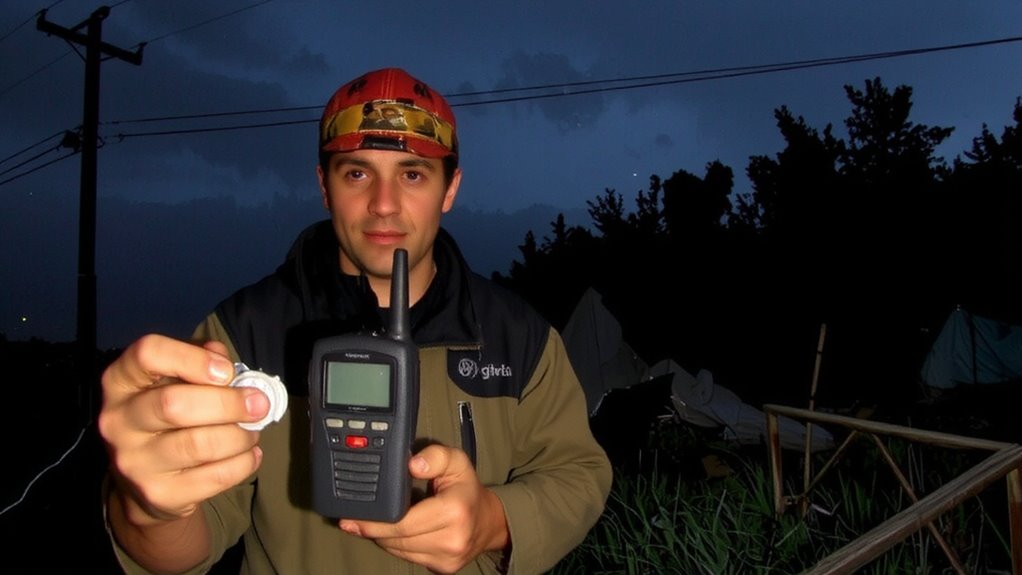
When the power goes out and your phone battery drops below 10%, you’ll wish you had a hand-crank charger. It keeps your devices running without relying on the grid, giving you resource independence when infrastructure fails. Most models provide just enough power after two minutes of cranking to send texts or check emergency alerts. They’re not fast, but they maintain basic signal maintenance when cell towers are sparsely active. You won’t stream videos, but you can send GPS coordinates or a short message. Units with built-in radios and LED lights add value without increasing complexity. They’re lightweight, often under 8 oz, and typically include USB ports for compatibility. Durability varies-check for reinforced gears and water resistance. While solar hybrids exist, hand-cranking guarantees power regardless of weather. It’s not perfect, but in prolonged blackouts or remote areas, having one means staying connected when it matters most. Top models often feature reliable hand-crank mechanisms that ensure consistent power generation even after extended use.
How to Charge Devices With a Hand-Crank Charger
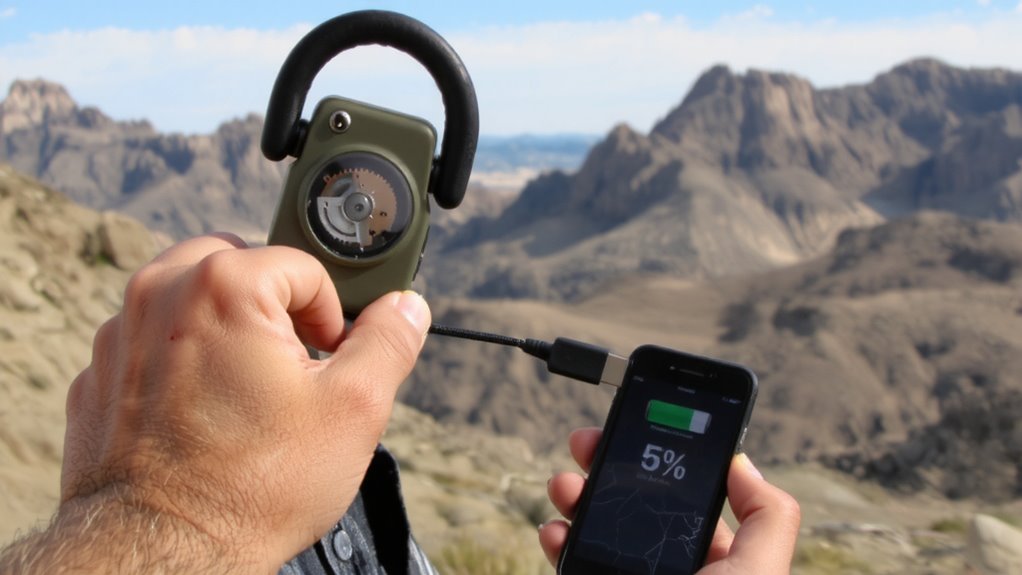
A good crank charge cycle starts with steady effort-100 to 150 RPM is the sweet spot most generators are designed for. Crank efficiency drops if you go too fast or slow, so maintain a consistent rhythm. Most hand-crank chargers produce 3–5 volts at 100 mA to 300 mA, meaning charging speed is slow by modern standards. You’ll need about 3–5 minutes of cranking to power a smartphone for 1–2 minutes of talk time. The output is better suited for trickle-charging built-in batteries or capacitors than directly powering devices. Efficiency peaks when the internal battery is partially discharged; fully charged units resist further input. Use firm, even strokes-jerky motion wastes energy. For best results, crank in short bursts with brief rests to avoid fatigue. Charging speed won’t replace a wall outlet, but it provides predictable, measurable power when nothing else is available. A reliable option for emergency power is choosing one of the best hand-crank flashlights, which often combine lighting and charging in one durable unit. best hand-crank flashlights
Power These Devices When Off the Grid
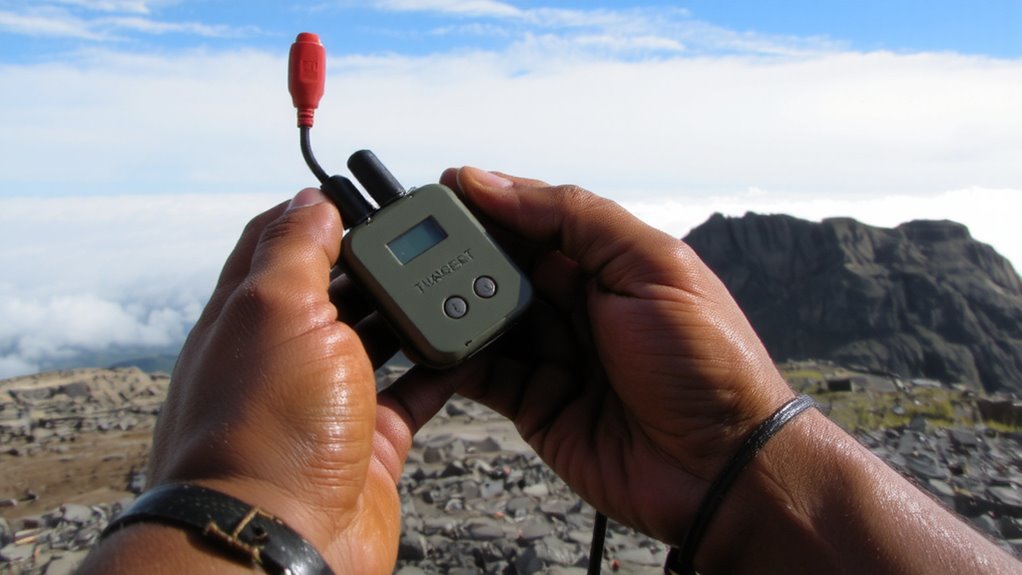
You can keep essential gear running off the grid with a hand-crank charger, though power output limits what you can realistically support. Focus on devices that demand minimal wattage and prioritize battery longevity. A hand-crank unit works best when paired with solar integration, giving you multiple charging options during extended outages. Below are practical devices to power:
| Device | Crank Time (min) | Charge Gained |
|---|---|---|
| Smartphone | 30 | ~20% |
| LED Headlamp | 15 | Full |
| GPS Unit | 25 | ~30% |
| Two-Way Radio | 20 | Full (low use) |
Smaller electronics benefit most. Solar integration reduces hand-cranking frequency, preserving energy and extending battery longevity. Charge intermittently to maintain function, not full power.
Get the Most From Every Crank
Maximizing each crank session means understanding the relationship between effort and energy output. You’ll generate more power with steady, full strokes rather than short, frantic cranks-this boosts crank efficiency. Most models produce 5–10 minutes of talk time per minute of cranking, but results vary by device and build. For best output, crank at a consistent pace for at least 1–2 minutes without stopping. Handle strain matters: use your whole forearm, not just your wrist, to maintain rhythm and reduce fatigue. Storage tips include keeping the unit charged to around 50% when unused, as overcharging or full discharges degrade battery life. Avoid extreme temperatures, which impair performance. Store in a dry place to prevent internal corrosion. These steps guarantee you get real, measurable output when it counts-no wasted motion, just reliable power. Every turn should deliver. Test your unit periodically to verify output.
Keep Your Hand-Crank Charger Emergency-Ready
Because emergencies don’t announce themselves, keeping your hand-crank charger ready means treating it like a piece of safety gear, not just a backup. Perform routine maintenance checks every few months-test the crank mechanism, inspect cables, and verify output voltage with a multimeter. A charger that looks fine might deliver inconsistent power when needed most. Store it in stable storage conditions: avoid extreme heat, humidity, and direct sunlight, which degrade battery life and plastic components. A drawer in an interior room is better than a garage or car. Keep it with your emergency kit so it’s always where you expect. Charge it fully every 90 days, even if unused, since internal batteries lose capacity over time. You won’t have time to troubleshoot when the power’s out. Being prepared means it just works-no surprises, no guesswork.
On a final note
You’ll get steady power from your hand-crank charger when the grid fails, but output is slow-1 minute of cranking typically gives 5–10 minutes of phone talk time. It’s reliable, not fast. Use it for emergency radios or GPS devices, not power-hungry gadgets. Pair it with a solar panel or power bank for better efficiency. Check build quality; metal gears last longer. Keep it dry and lubricated. It’s a backup, not a primary source-just one tool that, used wisely, keeps critical devices running.