How to Identify Emergency Risks for People With Chronic Illnesses
Watch for sudden breathlessness, shifting pain, or unexplained fever and fatigue-they signal trouble. Track symptoms daily to catch small changes early. Check meds for dizziness or confusion, and use one pharmacy to avoid interactions. Control air quality and temperature at home to reduce triggers. Keep a seven-day medication supply and test emergency gear monthly. You’ll be better prepared when things go wrong. Next steps help you act faster.
Notable Insights
- Sudden changes in symptoms like breathing, pain, or energy levels signal potential complications.
- Track daily symptoms to detect early warning signs and establish a personal health baseline.
- Watch for medication side effects such as dizziness, confusion, or nausea after dosing changes.
- Monitor environmental factors like air quality and temperature that can trigger health deterioration.
- Maintain an updated emergency plan with supplies, contacts, and equipment for rapid response.
Learn the Top Warning Signs of Your Chronic Illness
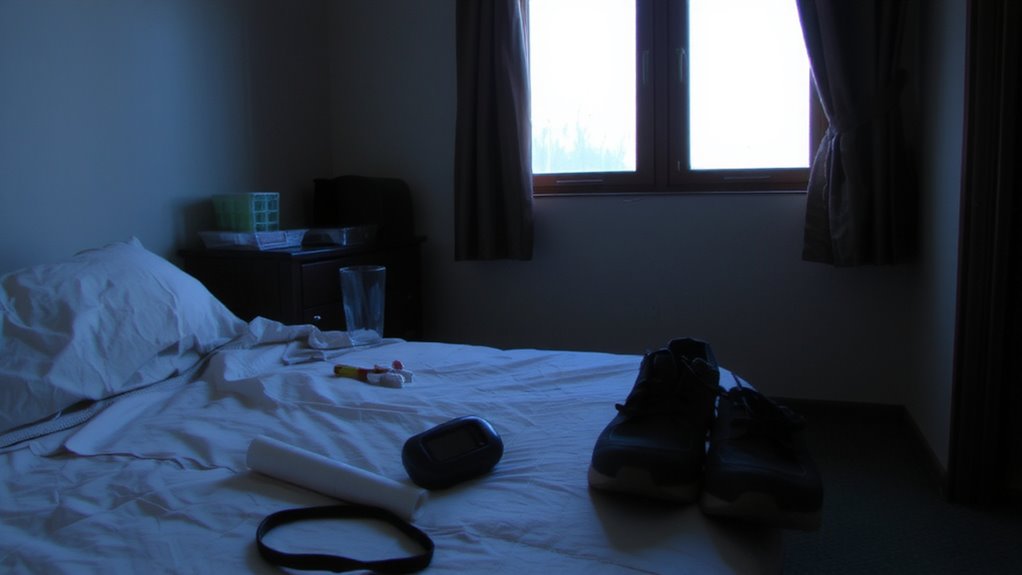
What should you watch for when your condition takes a turn? Sudden shifts in symptom patterns signal trouble. You know your body best, so track when common symptoms intensify or change-like breathlessness worsening over hours instead of days or pain moving locations. Health fluctuations outside your usual baseline matter. A fever spiking during stable phases, unexplained fatigue despite rest, or swelling that doesn’t resolve overnight can indicate complications. These aren’t minor setbacks-they’re warning signs. Don’t wait. Some changes, like chest tightness or confusion, demand immediate care. Recognizing what’s abnormal for you allows faster response. Patterns provide context: isolated incidents may not be emergencies, but repeating or escalating symptoms often are. Monitoring helps distinguish routine variation from danger. Your chronic illness has predictable rhythms; deviations break them. Treat significant deviations like system failures. They require assessment. Act early. Early action improves outcomes.
Monitor Daily Symptoms for Sudden Changes
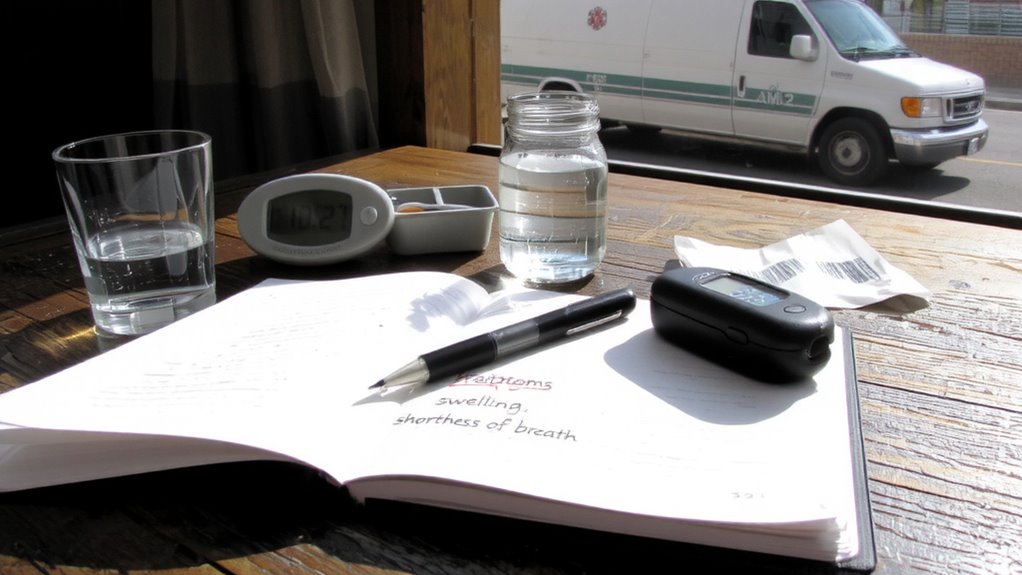
You already know the warning signs that something’s off, but catching sudden changes means checking in with your body every single day. Consistent symptom tracking helps you spot trends before they become crises. Use a journal or app to record pain levels, energy, mood, and essential signs like blood pressure or glucose. These data points make health monitoring objective, not just based on how you “feel.” Small shifts-like a 10-point rise in blood pressure or a persistent cough-can signal trouble. Doing this daily increases the odds of early intervention. It’s not about perfection; it’s about pattern recognition. Missing a day reduces baseline accuracy. Digital tools beat memory, especially during flare-ups. Over time, records provide a clear picture for doctors, improving diagnosis speed. If symptoms jump outside your normal range, act. Daily tracking isn’t extra work-it’s essential maintenance.
Spot Dangerous Medication Issues Fast
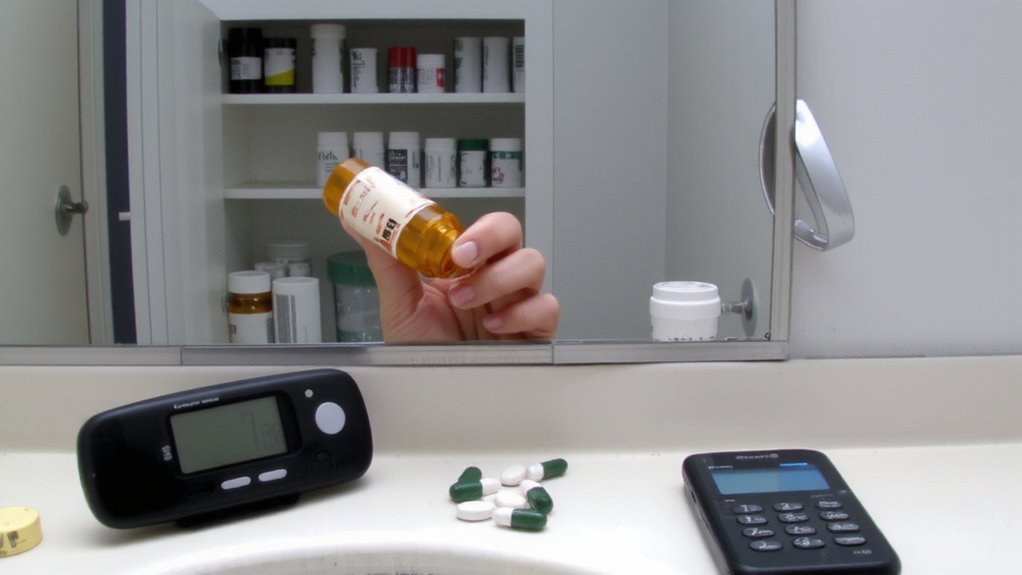
A medication error or adverse reaction can escalate quickly, so staying alert to warning signs is critical. You might not realize a problem until symptoms become severe, especially with chronic illness. Watch for dizziness, nausea, confusion, or sudden weakness-these could signal dosage errors or medication interactions. Check labels every time you take a pill; even a small change in dose matters. Use one pharmacy so they can flag interactions. Keep a current list of all your meds, including over-the-counter drugs, and review it with your doctor regularly. Some combinations, like blood thinners with certain painkillers, increase bleeding risk. Dosage errors often happen during shifts-hospital discharge, refill changes, or adding new prescriptions. Confirm each dose with your provider. Don’t assume the pill color or size is right-verify. Acting fast on these signs prevents hospitalization.
Avoid Environmental Triggers That Worsen Conditions
Medication safety is only one part of managing chronic illness-your surroundings play a role just as substantial. Poor air quality can trigger flare-ups, especially if you have asthma, COPD, or heart disease. Check daily air quality reports and limit outdoor activity when pollution levels are high. Indoor air matters too-use HEPA filters and avoid aerosols or strong chemicals. Temperature extremes strain your body. Cold can worsen arthritis and constrict blood vessels; heat increases dehydration risk and can overwork your heart. Keep your home between 68–75°F. Dress in layers when outside and avoid prolonged exposure. These triggers won’t affect everyone the same, but knowing your sensitivity helps. Monitoring conditions daily gives you control. Small adjustments reduce emergency risks substantially. You don’t need special equipment-just awareness and consistency. Prevention starts with what you can see and feel around you.
Create a Chronic Illness Emergency Plan
While having your daily routine under control, preparing for the unexpected becomes just as critical when living with a chronic illness. Start by listing emergency contacts-doctors, family, and caregivers-with phone numbers and medical roles clearly noted. Keep this list accessible, both digitally and printed. Next, build a supply checklist covering medications, glucose monitors, inhalers, or dialysis supplies-whatever you rely on daily. Include at least a seven-day surplus. Rotate stock to avoid expired items. Store supplies in labeled, waterproof containers. Test emergency equipment monthly. Power outages can disable electric-dependent devices, so consider battery backups. Update your plan every three months or after health changes. A practical plan isn’t about fear-it’s about function. When emergencies hit, having a structured response reduces risk. You won’t react perfectly under stress, but with emergency contacts mapped and a verified supply checklist, you stay ahead.
Know When to Seek Immediate Medical Help
When should you head to the ER instead of waiting it out? If you have chest pain that lasts more than a few minutes or spreads to your arm, neck, or jaw, don’t wait-seek help immediately. Chest pain can signal a heart attack, especially in people with chronic conditions like diabetes or heart disease. Breathing difficulty is another red flag. If you’re gasping, can’t speak in full utterances, or your lips turn blue, it’s time for emergency care. These symptoms might point to a pulmonary issue, heart failure, or severe infection. Don’t downplay sudden weakness, confusion, or a rapid change in how you feel. Your baseline matters, but acute shifts override it. Trust your instincts-if something feels dangerously off, it probably is. Calling 911 or going to the ER isn’t an overreaction. It’s a practical step when risks outweigh waiting. Immediate care saves lives.
On a final note
You know your body best, but don’t ignore sudden changes. Track symptoms daily and act fast if something shifts. Check medications for side effects or interactions-they can trigger emergencies. Avoid known environmental risks like smoke or extreme temps. Keep an updated emergency plan with contacts, meds, and doctor details. Seek help immediately if warning signs worsen. Quick, informed responses improve outcomes. Preparedness beats crisis every time.