How to Assess the Safety of Your Home During a Cyberattack on Water Systems
Check your water for discoloration, cloudiness, or odd smells like chemicals or sewage-these could mean contamination. Use a home test kit to confirm chlorine, lead, or bacteria levels in under 10 minutes. Stick to bottled or stored water if you suspect a problem. Make sure your filters are NSF-certified with activated carbon and reverse osmosis. A gravity-fed backup filter gives protection during power outages. You’ll want to know how each layer improves your safety.
Notable Insights
- Check water for discoloration, cloudiness, or unusual odors like bleach or sewage, which may indicate contamination.
- Use home water testing kits to detect changes in chlorine, lead, bacteria, or nitrates after a suspected cyber incident.
- Rely on stored bottled or treated water if signs suggest your supply has been compromised by a cyberattack.
- Install NSF-certified filters with activated carbon and reverse osmosis to reduce chemical and microbial risks.
- Maintain an emergency water supply of at least one gallon per person per day for two weeks in sealed, labeled containers.
How Hackers Can Poison Your Tap Water
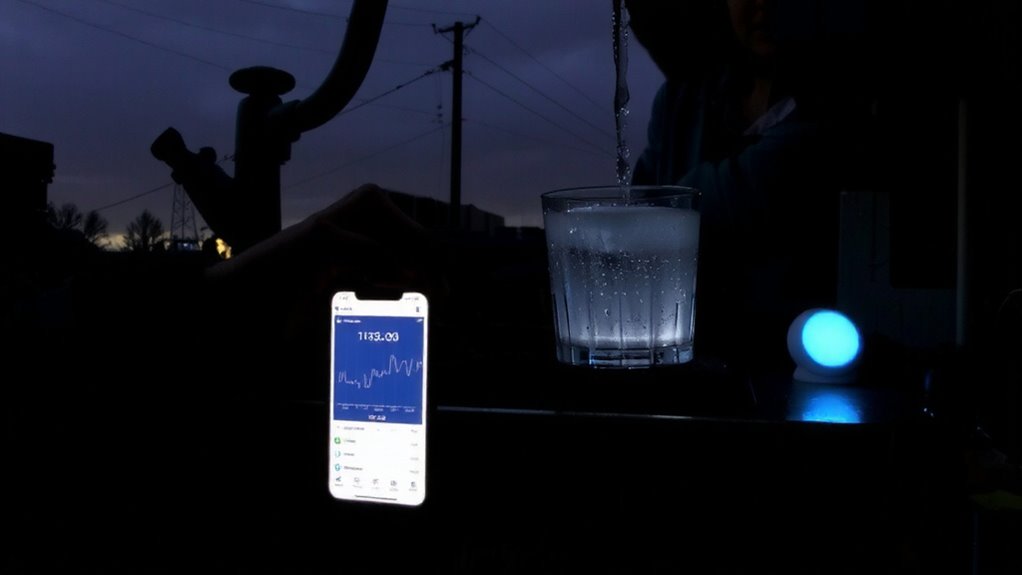
What if the water coming out of your tap isn’t safe-not because of a natural disaster, but because someone hacked the system? Cyber sabotage could let attackers alter chemical levels in treatment plants, causing dangerous water contamination. They might increase chlorine to toxic levels or disable sensors that detect harmful substances. You wouldn’t see it coming-no immediate smell, color, or taste change. Older infrastructure with poor digital security is most vulnerable. Some systems still use outdated software with no firewalls or access controls. Attackers exploit these gaps remotely. The risk isn’t theoretical-real incidents occurred where hackers accessed control systems. While full-scale poisoning is rare, the potential exists. You can’t test for every contaminant at home, so your first defense is awareness. Know your water source, its cybersecurity reputation, and whether it uses manual overrides as backup. These details matter more than emergency filters when the threat comes from within the system itself.
Look for These Warning Signs in Your Water
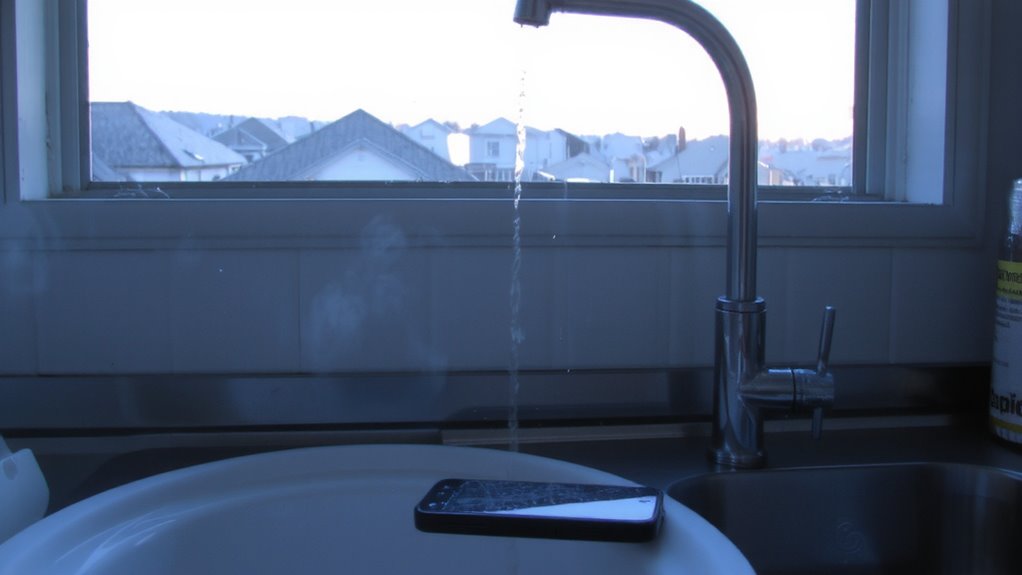
Could you detect a problem if your water looked or smelled just slightly off? Yes, and you should. Water discoloration-like brown, yellow, or green tints-often signals contaminants or corroded pipes. It’s not always dangerous, but during a cyberattack, changes might mean system controls were tampered with. An unusual odor, especially musty, chemical, or sewage-like smells, is another red flag. These aren’t normal and could point to chemical intrusions or bacterial growth. You don’t need a lab to notice cloudy water or a sudden chlorine spike in smell. Trust your senses-if something feels wrong, it might be. While not every change means poisoning, combined signs increase risk. Discoloration with an unusual odor is more concerning than either alone. Stay alert. Early detection improves your response time. Your tap water shouldn’t alarm you. If it does, act.
Test Your Water at Home With a Kit
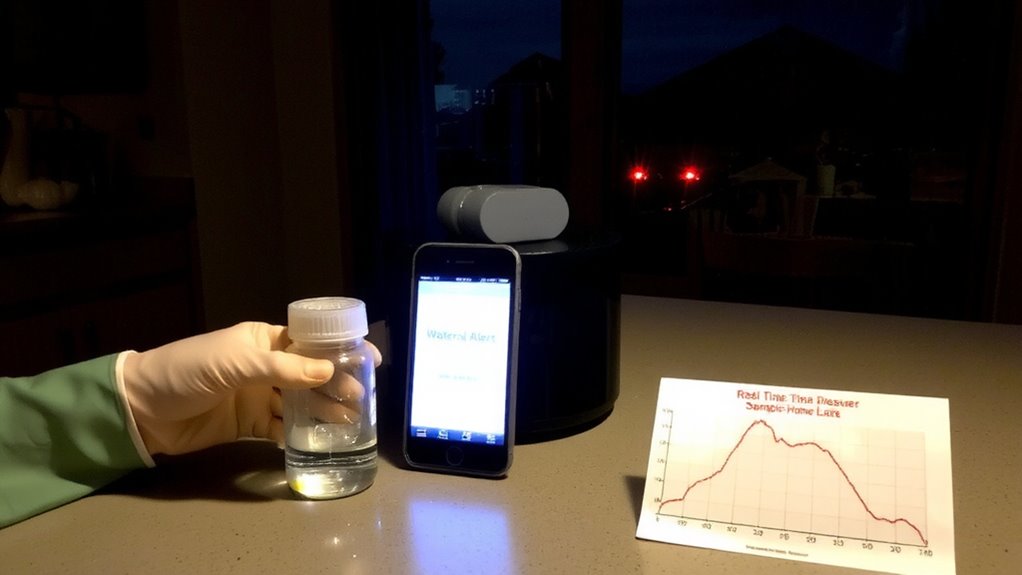
Ever wonder how quickly you can confirm whether your water’s gone bad? You can with a simple water testing kit. These kits check for contaminants like bacteria, heavy metals, and chlorine levels-key markers of water safety. Most tests take under 10 minutes and use color-coded strips or solutions you compare to a chart. For home safety, choose a kit that covers at least nitrates, lead, and coliform bacteria. They’re not lab-perfect, but they offer a reliable first warning. Some digital testers give instant pH or TDS readings, though they cost more and need calibration. Water testing isn’t foolproof, but it’s faster and cheaper than waiting for officials. If results look off, assume risk and stop using the tap. Regular testing strengthens your home safety plan, especially during a cyberattack when system monitoring may fail. Be ready-kits keep you informed without delay. Consider pairing your testing kit with a survival water filtration system for comprehensive protection when infrastructure is compromised.
Use Bottled or Stored Water During an Outage
When the water goes out during a cyberattack, your safest bet is bottled or stored water-there’s no need to guess whether it’s safe if you know it’s clean. You should already have emergency supplies like sealed bottled water or water stored in food-grade containers. Store at least one gallon per person per day for three days, though a two-week supply is smarter. Use labeled, dark-colored containers and keep them in a cool, dark place to limit algae growth. Practice water rotation every six months to maintain freshness-date each container and replace or refill as needed. Municipal alerts may not confirm contamination quickly, so relying on your known supply reduces risk. Bottled water has a shelf life of about two years, but it’s safe longer if sealed and stored properly. High-quality water storage containers are designed to prevent leaks, UV exposure, and contamination over time. Don’t wait-check your emergency supplies now.
Install Filters and Backup Systems for Future Threats
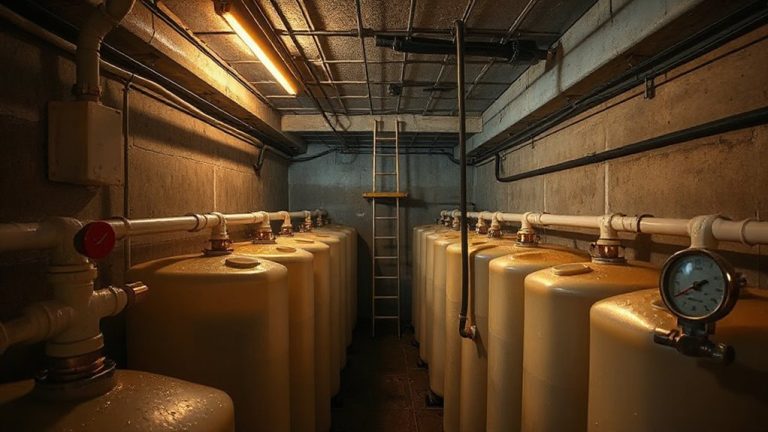
A good filtration system is essential if you want to guarantee access to safe water during a cyberattack on public utilities. You need proven water filtration that removes pathogens, chemicals, and particulates-look for NSF certifications for models with activated carbon and reverse osmosis. These systems filter out contaminants but require maintenance and power, so pair them with a backup. Invest in a point-of-entry filter for whole-house protection and a point-of-use unit for drinking water. Add a gravity-fed emergency filter as a failsafe-it doesn’t need electricity and works when the grid’s down. Combine filtration with emergency prepared conflicts by installing a 50-gallon stored water tank and a hand-pump well system. Consider a best deep well hand pump for reliable, manual access to groundwater during extended outages. Test your setup yearly. Redundancy improves reliability. You won’t stop cyber threats, but proper water filtration and emergency preparedness reduce risk when infrastructure fails.
On a final note
You can’t rely on taste or color to detect contaminants after a cyberattack. Test water with a certified home kit that checks for chlorine, lead, and bacteria. Use bottled or stored water if systems are compromised. Install NSF-certified filters for ongoing protection. Backup supplies and point-of-use filters add layers but require maintenance. No solution is perfect-each has limits in speed, capacity, or contaminants removed. Preparedness reduces risk when digital threats hit physical infrastructure.