Urban Disaster Preparedness: Customizing Survival Techniques for City Scenarios
You’ll need compact, high-efficiency gear when urban systems fail. A multi-tool and 10-ounce emergency blanket save space but deliver critical function. Use stairwells during high-rise evacuations-elevators won’t work. Collect water from your water heater, not the toilet, and purify it with Sawyer Squeeze or chlorine dioxide tablets. Signal for help with a mirror or rooftop flare. Relying on city-specific adaptations keeps you mobile and prepared when options run low.
Notable Insights
- Prioritize lightweight, multi-functional gear like solar chargers and water-purifying tablets for compact urban emergency kits.
- Use designated stairwells during high-rise evacuations, following marked routes to ensure safe and efficient building exit.
- Collect and purify rooftop rainwater using portable filters and chlorine dioxide tablets to secure safe drinking water.
- Signal for help using mirrors or flares from upper floors or rooftops, maximizing visibility in dense city environments.
- Utilize vertical space and shared infrastructure wisely, as compact living increases reliance on communal systems and resources.
Why City Disasters Need Different Survival Tactics

While rural survival often revolves around self-reliance and space, city disasters demand a different approach because density and infrastructure create unique risks. Urban density means more people compete for exits, shelter, and help, slowing evacuations and overwhelming emergency services. You’re not just dealing with nature-you’re maneuvering through crumbling buildings, traffic jams, and possibly civil unrest. Limited resources become obvious fast: water pressure drops, stores run dry, and power grids fail. Stores may stockpile basics, but if supply chains break, restocking won’t happen for days or weeks. You can’t assume well water or open land to grow food. Stairwells may be your only exit if elevators fail. Street access doesn’t guarantee escape-it might lead to bottlenecks. You need plans that account for vertical living, shared walls, and dependency on systems beyond your control. Adapting isn’t optional-it’s essential. A well-stocked emergency kit can bridge the gap until help arrives or supply chains resume.
Pack a Compact Emergency Kit for Small Apartments
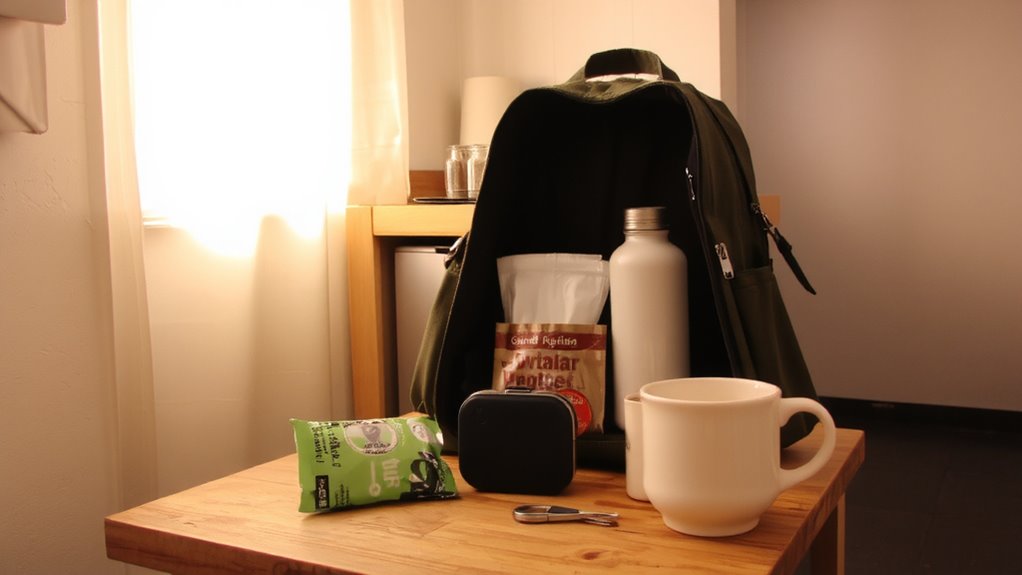
A compact emergency kit for small apartments must maximize utility without sacrificing space, so you’ll need items that serve multiple functions and fit within a single, portable unit. In limited space, every item must justify its inclusion-choose a multi-tool over separate tools, water-purifying tablets instead of bulky filters, and a foldable solar charger rather than a heavy battery bank. Opt for vacuum-sealed food packs that provide 2,000 calories in under 5 inches of width to maintain compact storage. A 10-ounce emergency blanket doubles as shelter or heat retention. Use modular containers that stack or nest, allowing customization and easy access. Avoid duplication; a flashlight with a built-in radio saves space and power. Rigid, rectangular cases fit better under beds or in closets than irregular shapes. In a city, you’re more likely to shelter in place briefly than trek far, so prioritize essentials that last 72 hours without refills. Every choice supports efficiency in tight quarters. For reliable options, consider reviewing expert-tested disaster preparedness kits before finalizing your selection.
Evacuate a High-Rise Safely When Elevators Fail
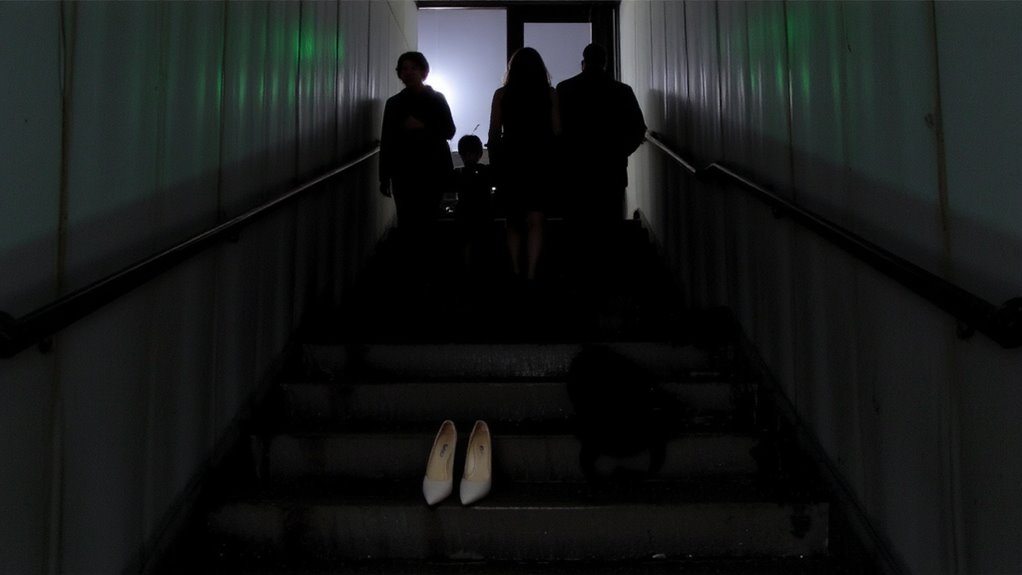
If the power fails and elevators shut down, you’ll need to rely on stairwells to evacuate a high-rise, so knowing your building’s exit routes beforehand is essential. Stairwell navigation becomes critical-doors may be marked inconsistently, and lighting can fail. Always carry a flashlight and wear comfortable shoes. Follow designated floor assembly points; they’re spaced to manage crowd flow and allow emergency personnel to account for occupants.
| Floor | Exit Route | Assembly Point |
|---|---|---|
| 20 | East Stair | Roof Access |
| 15 | West Stair | Lobby Patio |
| 10 | East Stair | Garden Level |
| 5 | West Stair | Loading Zone |
| 1 | Both | Assembly Plaza |
Stick to marked paths. Avoid shortcuts. Floor assembly points improve coordination and reduce congestion. Practice the route quarterly.
Stairwell navigation improves response time. Floor assembly supports orderly evacuation.
Find Clean Water in a City After Infrastructure Collapse
Where will you get clean water when the taps stop working? Start with rooftop collection-capture rain in clean barrels or containers, but filter it before drinking. Most city surfaces are dirty, so untreated runoff isn’t safe. Use water filtration systems with hollow fiber membranes; they remove bacteria and protozoa down to 0.1 microns. Portable filters like the Sawyer Squeeze weigh under 3 ounces and process 100,000 gallons, but they won’t remove viruses. For that, add chemical treatment like chlorine dioxide tablets. Boiling works but uses fuel. You can also drain your water heater or flush tanks-those reserve 30–50 gallons. Avoid toilet bowl water; it’s contaminated. Rooftop collection gives volume, but only water filtration guarantees safety. Combine both for reliability. Test filters before use-clogging is common with sediment-heavy water. For reliable options, consider one of the best water filters recommended for urban emergency use.
Build an Indoor Shelter in a Crowded Apartment
Your best bet for a safe indoor shelter in a crowded apartment isn’t a reinforced bunker-it’s maximizing隐蔽性 and structural safety in a low-profile location. Choose an interior bathroom or closet away from windows and exterior walls; these spots offer better protection from fallout and debris. Space limitations mean you can’t afford bulk-use lightweight, stackable materials like dense foam panels or foldable ballistic boards to reinforce walls if needed. Keep supplies compact: a 72-hour kit in a rolling backpack saves floor space. Noise constraints rule out power tools or hammering-assemble shelters manually with pre-cut components. Seal gaps with duct tape and towels to limit dust intrusion. Most urban dwellings lack basements, so focus on overhead cover-secure heavy furniture to prevent tipping. This approach balances safety, stealth, and practicality without drawing attention or violating lease terms. Real-world tests show interior rooms reduce exposure by up to 90% versus outer rooms.
Stay in Touch Without Cell Service in Urban Areas
How do you stay connected when cell networks fail in a dense urban environment? You rely on line-of-sight signaling tools like signal mirrors and rooftop flares. Signal mirrors work best in daylight, reflecting sunlight up to 10 miles, making them effective for alerting rescue teams from high-rise windows. A standard 3-inch mirror with a sighting hole allows precise targeting without glare. Rooftop flares, visible up to five miles at night, last 30–60 seconds and burn at 1,000°F, but require careful handling. They’re ideal for open urban rooftops where smoke and light can rise above buildings. Flares are detectable faster than sound signals but depend on clear atmospheric conditions. Signal mirrors have no burn time but need direct sun. Both tools require pre-planning: identify access points to rooftops and practice mirror aiming. Neither replaces radios, but both offer reliable visual signaling when electronics fail. Use them in tandem for day and night coverage.
Turn Everyday City Features Into Survival Tools
Most city structures and systems aren’t built for survival, but a handful can serve in a crisis if you know how to use them. Fire escape ladders, while often rusted or locked, offer vertical pathways to ground level from upper floors when stairwells are blocked. Test the ladder’s stability before descending-most support up to 500 pounds if maintained. Rooftop signaling becomes critical when trapped; use reflective objects, mirrors, or bright clothing to catch the attention of rescue teams. A standard mirror can generate flashes visible up to 10 miles away in daylight. Flat rooftops also collect rainwater, which can be filtered with basic tools. Parking garages provide concrete cover during storms but risk flooding. Alley dumpsters may contain usable materials, though they attract pests. Use what’s around, but always assess structural risk and contamination.
On a final note
You need city-specific strategies because urban disasters limit space, water access, and escape routes. Standard kits won’t fit small apartments; compact, multitool-based gear works better. High-rise evacuations demand stairwell stamina-test yours now. Water filters beat storage when pipes fail. Indoor shelters must balance concealment and ventilation. Mesh radios outperform cell signals. Repurpose fire escapes, pipes, and rooftops-they’re already survival tools.