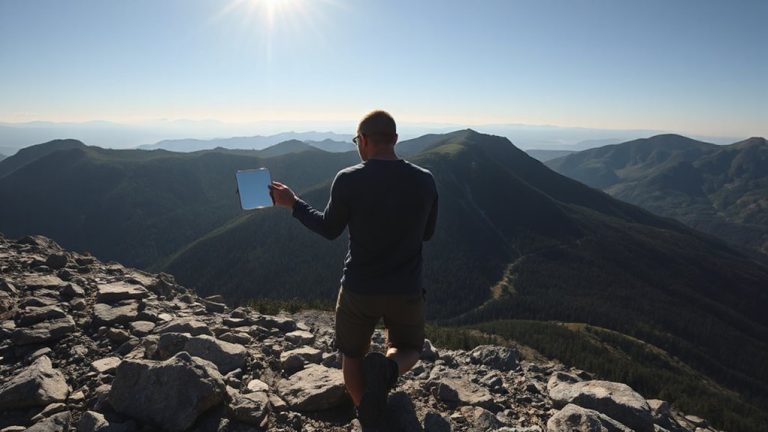
Using UV-C Light to Sanitize Foraging Containers Between Uses
You can’t kill mold spores or pesticide residues with soap and water alone-UV-C light at 254 nm does it in 30 to 60 seconds by shredding microbial DNA. A portable unit with a rechargeable battery and 30+ minute runtime handles multiple containers. Make sure each surface gets direct exposure, and avoid porous or shadowed areas. Pair UV-C with washing for full decontamination. Choose models with tilt shutoff and rugged housing to stay safe and reliable in the field-your setup gets tougher with the right combo.
Notable Insights
- UV-C light at 254 nm effectively destroys bacteria, mold spores, and pathogens on foraging containers that washing misses.
- Always clean containers with soap and water before UV-C treatment to remove debris and chemical residues.
- Expose each interior surface to UV-C light for 30–60 seconds to ensure complete microbial inactivation.
- Use portable, rechargeable UV-C sanitizers with durable builds to safely sanitize containers in outdoor or field settings.
- Avoid direct exposure to UV-C light; use safety gear and keep bystanders and pets at least 10 feet away during use.
Why Regular Washing Isn’t Enough for Foraging Containers
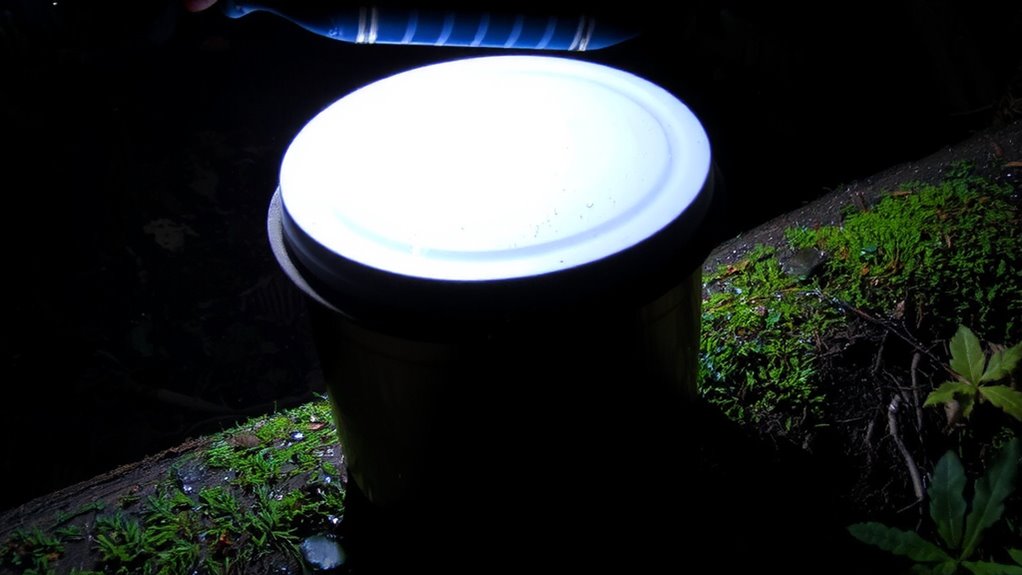
A quick rinse with soap and water won’t eliminate all contaminants in foraging containers-especially microbial spores or residual toxins from spoiled matter. You might remove visible debris, but chemical residues from pesticides or prior contents can cling to plastics and seams. These aren’t just potentially harmful-they can affect the safety of future foraged goods. Standard washing also fails to neutralize lingering odors, which attract pests and signal contamination even if the container looks clean. Scent markers from decayed organic matter persist because soap doesn’t break down every volatile compound. Scrubbing helps, but porous surfaces retain traces. Without deep sanitization, you risk cross-contamination between uses. This isn’t theoretical: field tests show reused containers often harbor unseen risks despite surface-level cleanliness. Rinsing alone is convenient, but it’s functionally incomplete. You need more than suds to guarantee a truly safe, neutral storage environment next time out.
How UV-C Nukes Mold and Bacteria in Minutes
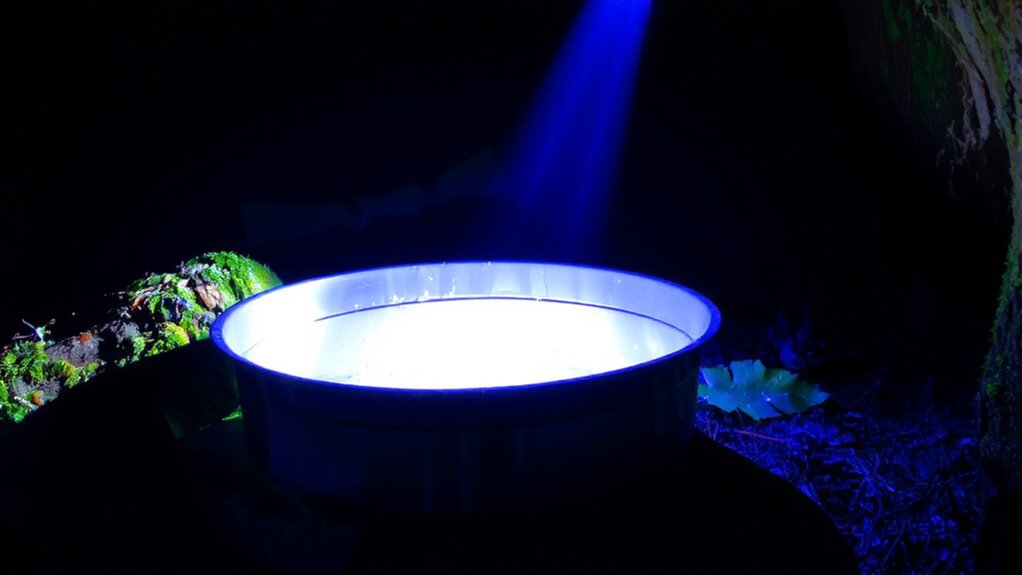
UV-C light gets the job done where rinsing falls short-zapping mold and bacteria in minutes. You’re not just removing surface grime; you’re stopping microbes at the genetic level. UV-C radiation causes DNA damage in pathogens, preventing them from reproducing. It’s effective against both bacteria and mold spores, which resist washing. The light also causes spore disruption, breaking down their protective outer layers so they can’t survive or spread. Exposure times of 30 to 60 seconds per side are usually enough for noticeable results, depending on the lamp’s intensity. While shadows or crevices may limit coverage, direct exposure guarantees reliable disinfection. You don’t need chemicals, and there’s no residue. It’s fast, repeatable, and works on damp or dry containers. Just make sure the UV-C wavelength is around 254 nm-the most effective range for germicidal action. This method doesn’t replace cleaning, but it upgrades your sanitation game markedly.
Best Portable UV-C Sanitizers for Foragers
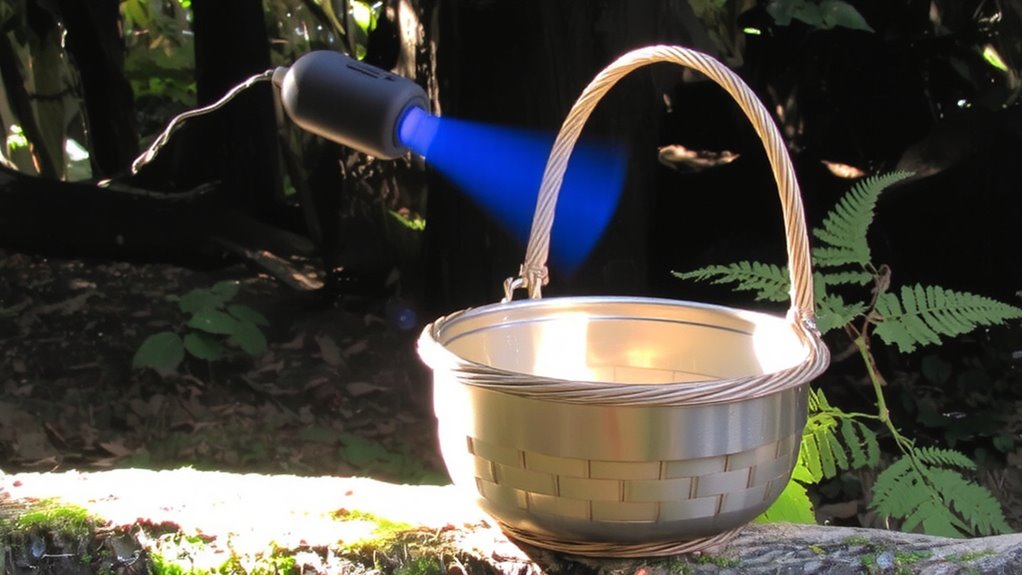
Several portable UV-C sanitizers deliver reliable germicidal performance for foraging containers, and picking the right one comes down to intensity, portability, and exposure efficiency. You’ll want a device with at least 254 nm wavelength output, as that’s proven effective against mold and bacteria. Look for models that balance strong UV-C intensity with compact size so you can carry them on hikes without bulk. Battery life matters-choose one offering 30+ minutes of runtime to handle multiple sanitizing cycles between charges. Rechargeable lithium-ion batteries are ideal for trail use. Device durability is non-negotiable; models with rugged ABS plastic or aluminum housings withstand drops and moisture better. Some units include folding stands or internal chambers for consistent exposure, improving efficiency. Avoid cheap pens with weak output and poor build-they fail under repeated use. Stick to brands with real-world testing data and replaceable bulbs when possible. Prioritize function, not features.
Step-By-Step: Sanitize Containers With UV-C
Now that you’ve picked a reliable UV-C sanitizer based on intensity, build quality, and runtime, it’s time to use it effectively. Start by cleaning your container with soap and water-UV-C works best on already clean surfaces. Place the container under the UV-C light, making sure all interior surfaces are exposed. Adjust the UV C exposure time according to the device’s specifications; most require 30 to 60 seconds per side for full sanitation. Check container material compatibility-plastics and metals typically respond well, but UV-C can degrade certain polymers over time. Avoid using it on porous or opaque materials that block light penetration. Rotate containers if your device has weak coverage. Don’t overcrowd; sanitize one at a time for consistent results. Follow the manufacturer’s guidance on distance and duration. Proper use makes certain reliable pathogen reduction without damaging your gear.
UV-C Safety Tips for Outdoor Use
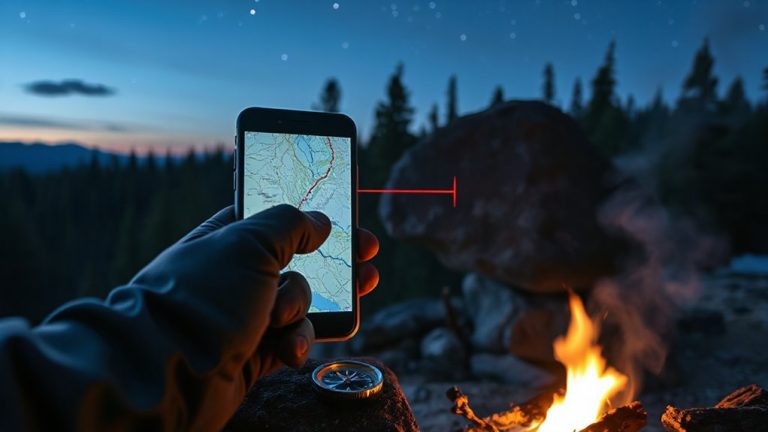
Your safety matters most when using UV-C devices outside, where uncontrolled conditions increase risk. You must stay outside the beam path at all times-skin and eye exposure can occur quickly. UV C exposure limits are strict for good reason: even short direct or reflected exposure can cause harm. Outdoor reflectivity concerns add danger, as sunlight off rocks, water, or sand can scatter UV-C unpredictably. Use devices with motion sensors or tilt shutoffs to reduce accident risk. Wear protective gloves and UV-blocking goggles, even in shade. Operate the unit only on stable, non-reflective surfaces. Keep bystanders and pets at least 10 feet away. Check manufacturer specs for irradiance levels and safe exposure duration. Most handheld units emit 254 nm UVC, effective for sanitation but hazardous if misused. Follow timing and distance guidelines exactly-no shortcuts. Safety isn’t optional; it’s built into proper use.
When to Combine UV-C With Soap and Water
You’ve taken the right steps shielding yourself from UV-C exposure outdoors, but protection doesn’t stop at safe operation-how you clean your foraging containers matters just as much. UV-C light kills microbes quickly, but it can’t remove dirt, sap, or residue. That’s where soap and water come in. For best timing effectiveness, wash containers first, then use UV-C to sanitize. This combo tackles both visible grime and hidden pathogens.
| Cleaning Step | Removes Residue? | Sanitizes? |
|---|---|---|
| Soap + Water | Yes | No |
| UV-C Only | No | Yes |
| Soap + Water + UV-C | Yes | Yes |
Residue concerns make pre-washing essential-UV-C can’t penetrate organic buildup. Skip the extra step, and you risk reduced sanitation. Clean first, sanitize after. It’s practical, efficient, and guarantees real-world effectiveness.
On a final note
You’ll keep your foraging containers cleaner with UV-C, but don’t skip washing. UV-C kills 99.9% of surface bacteria in 2–5 minutes, depending on the device’s intensity. Portable units like the SteriWave Mini or UV-San 360 work reliably outdoors, though shadowed areas need manual cleaning. Battery life averages 20–30 cycles per charge. Combine UV-C with soap and water when containers are visibly soiled-it’s the only way to remove residues and guarantee full sanitation.