Designing a Water Storage System That Prevents Back-Siphonage in Wells
You need to stop back-siphonage by combining vacuum breakers, check valves, and proper tank placement. Install vacuum breakers at high points-they respond in two seconds to reverse pressure. Use spring-assisted brass check valves and inspect them every six months. Elevate storage tanks 25+ feet for gravity-based positive pressure, which works during power outages. Follow local codes for valve ratings and permits. Each component has trade-offs, but together they reduce contamination risk markedly. There’s more to get right if you want full protection.
Notable Insights
- Install vacuum breakers at high points to halt siphonage by allowing air entry during pressure drops.
- Use check valves to block reverse flow, ensuring they are spring-assisted and made of durable materials.
- Elevate storage tanks at least 25 feet above the wellhead to maintain gravity-fed positive pressure.
- Follow local codes for valve ratings, tank placement, and inspection requirements during system design.
- Schedule biannual check valve inspections to clean debris and replace worn components for reliable function.
What Is Back-Siphonage and Why It Ruins Well Water
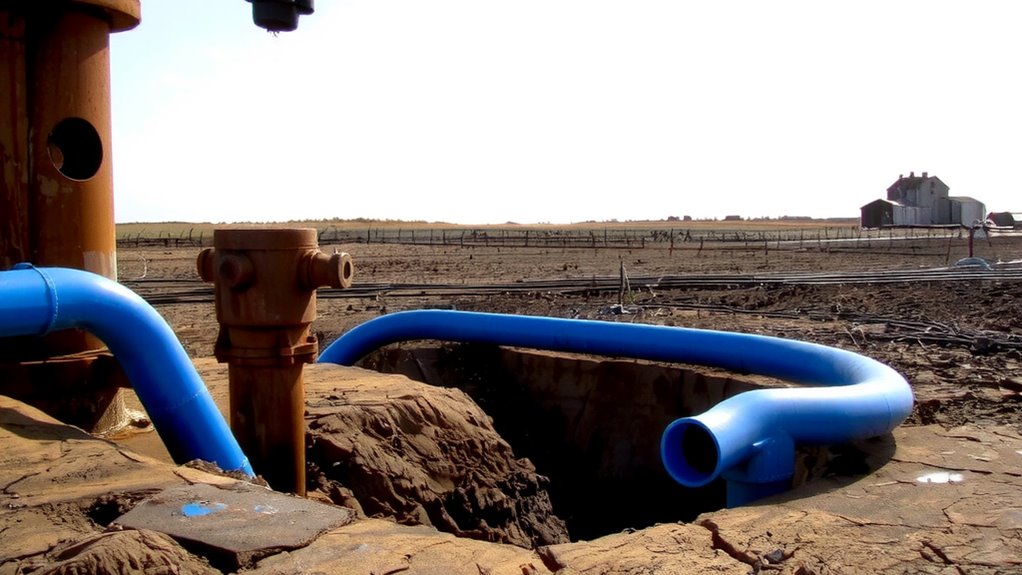
Ever wonder how contaminated water gets into your well when you’re not even using it? Back-siphonage pulls polluted water back into your well when pressure drops in the supply line. It happens during droughts, power outages, or pipeline breaks-situations where your system loses pressure. Without protection, contaminated water can siphon in through shared connections or faulty plumbing. This creates serious water contamination risks, especially if run-off, chemicals, or waste water gets drawn in. You can’t always see or smell it, but exposure raises health risks like gastrointestinal illness or long-term toxicity. It’s not rare-studies show back-siphonage contributes to well over 15% of contamination cases in unprotected systems. Your well isn’t immune just because it’s underground. Relying on chance isn’t a strategy. Preventing back-siphonage means understanding how flow reversals occur and planning for pressure failures before they happen.
Install Vacuum Breakers to Block Contamination
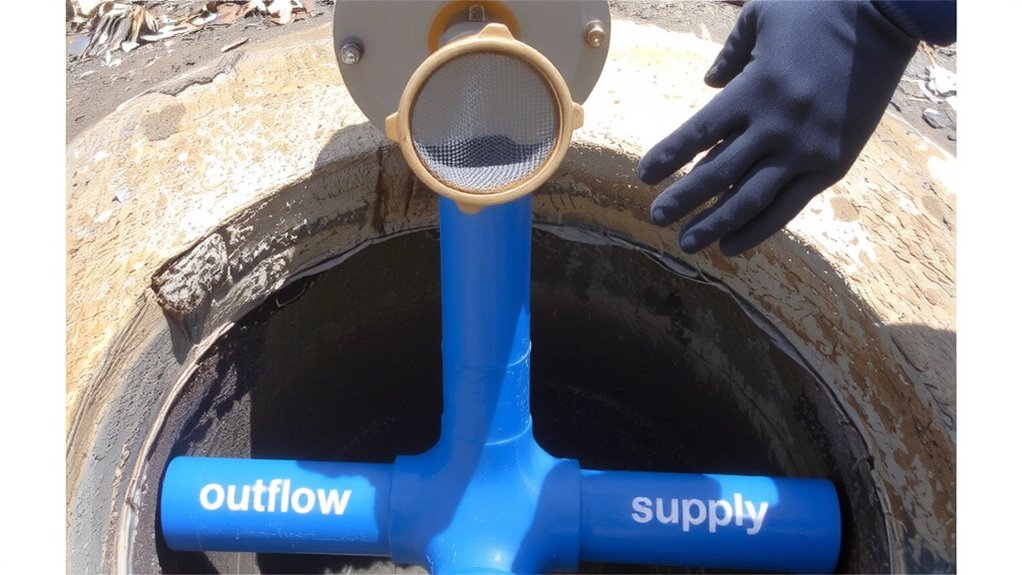
How do you stop contaminated water from getting sucked back into your well when pressure drops? You install vacuum breakers. These devices let air in when pressure differentials reverse, breaking the siphon before dirty water reaches your well. Unlike complex valves, vacuum breakers rely on simple mechanics-no maintenance, no moving parts to fail. They work best when placed at high points in the system where siphoning risk is highest. While they don’t provide the same sealed barrier as air gaps, they’re far more practical in confined or pressurized setups. Air gaps are ideal but often impractical indoors or in tight mechanical rooms. Vacuum breakers offer a measurable reduction in back-siphonage risk, especially during sudden pump shutdowns or line leaks. Test models show they respond in under two seconds to negative pressure. Just make sure yours is rated for your system’s PSI and installed per code. They’re not perfect, but they’re a reliable, low-cost layer of protection.
Use Check Valves to Stop Back-Siphonage in Wells
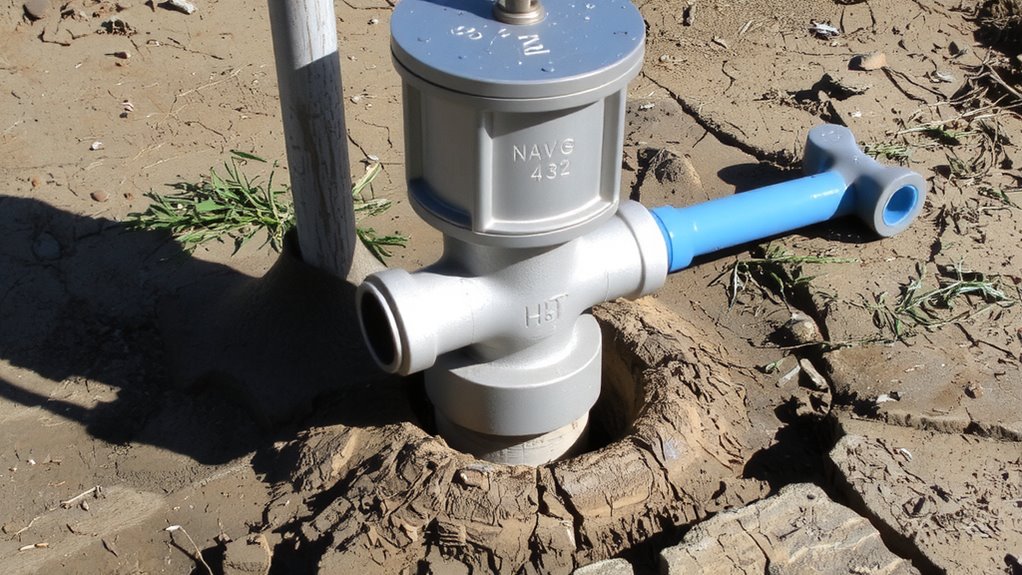
Why risk contaminants reversing into your well during pressure drops when a simple mechanical fix exists? Install a check valve-it’s an effective barrier against back-siphonage. These valves allow flow in one direction only, shutting automatically when pressure reverses. They’re not perfect, though. Check valve failure can occur due to debris, wear, or poor installation, leaving your system vulnerable. That’s why a consistent valve maintenance schedule is essential. Inspect every six months, clean seats and moving parts, and replace worn components before they fail. Spring-assisted models offer faster closure than swing types, reducing backflow risk. Choose brass or stainless steel for durability in well environments. While no valve lasts forever, routine checks catch issues early. Remember, a failed check valve gives you zero protection. A reliable one, properly maintained, provides measurable defense where it counts-keeping contaminants out and water safe.
Elevate Tanks to Prevent Backflow Naturally
A check valve gives you mechanical control over backflow, but elevation gives you physics. You can rely on gravity feed when you position your tank at sufficient height-typically 25 feet or more above the wellhead-to create positive pressure that prevents back-siphonage. The tank height directly determines pressure: every 2.31 feet of elevation yields 1 psi. This passive system doesn’t depend on moving parts or maintenance, unlike mechanical valves. If the power fails or a valve sticks, gravity still works. Elevated tanks do require a sturdy tower and careful placement to maintain flow and avoid structural issues. They’re heavier, cost more to install, and need more space. But they deliver consistent, automatic protection. In remote or off-grid systems, that reliability outweighs the drawbacks. You’re using elevation as a fail-safe, not a convenience. When designed right, gravity feed from proper tank height becomes your most dependable defense.
Follow Local Codes for Back-Siphonage Protection
Your system’s compliance starts with local codes, which set the baseline for back-siphonage protection and often require specific valve types, tank placements, or inspection schedules. You’ll need to meet permit requirements before installation, as most jurisdictions mandate approval prior to construction. Ignoring them can delay your project or trigger fines. Local codes reflect regional risks, like drought or contamination, so they’re not arbitrary. Compliance audits check if valves are rated correctly and tanks are properly elevated. These audits might occur during installation or annually, depending on the area. You’re responsible for scheduling inspections and keeping documentation. Some regions accept reduced-risk devices; others require double-check or reduced-pressure zone (RPZ) assemblies. Check your municipal guidelines to confirm acceptable solutions. Permit requirements often include site plans, equipment specs, and licensed installer verification. Follow the rules exactly-it’s easier than reworking the system later.
On a final note
You need to stop back-siphonage to keep your well water safe. Vacuum breakers and check valves work if installed correctly and meet code. Elevated tanks help by using gravity, reducing mechanical reliance. No single fix works everywhere-combine methods based on your system’s pressure, height, and local regulations. Test components annually; a failed valve or clogged vent won’t stop contamination. Choose durable materials like brass or stainless steel. Protection fails quietly-inspect it before it matters.