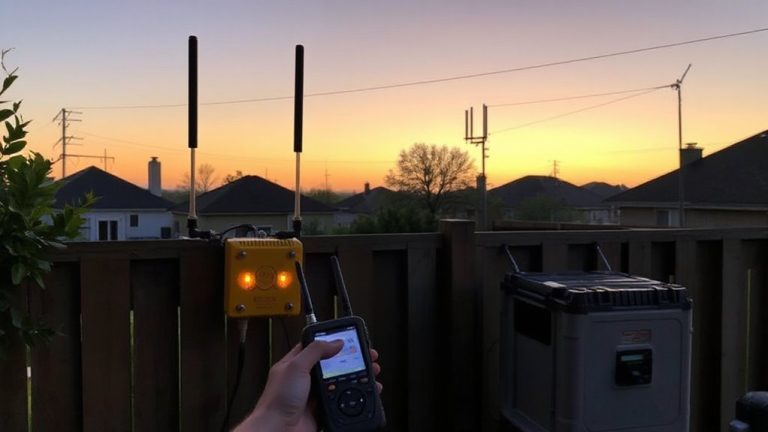
Integrating Emergency Alerts Into Public Housing Intercom Systems
You’re using intercoms that fail during emergencies, but upgrading them delivers alerts in under 10 seconds to every unit-no internet or personal devices needed. Modern systems sync with smoke detectors, weather alerts, and security feeds, broadcasting clear voice instructions instantly. Backup power from lithium batteries and solar panels keeps them running during outages. Fix old wiring and speakers first, then add low-cost audio triggers or SD card messages. You’ll get coverage where phones and texts don’t, especially for high-risk residents-and see how simple, tested fixes can make the whole system reliable.
Notable Insights
- Modern intercom systems enable instant voice alerts to all units, ensuring timely emergency communication without relying on personal devices.
- Integrating sensors with intercoms allows automatic alerts for fires, severe weather, or security breaches, minimizing response delays.
- Upgrading aging infrastructure involves inspecting wiring and replacing outdated speakers to restore reliable audio transmission across all units.
- Backup power solutions like lithium batteries and solar panels maintain intercom functionality during power outages.
- Low-cost retrofitting with SD cards, audio couplers, and open-source firmware supports multilingual alerts and visual warnings for inclusive safety.
Why Public Housing Needs Better Emergency Alerts
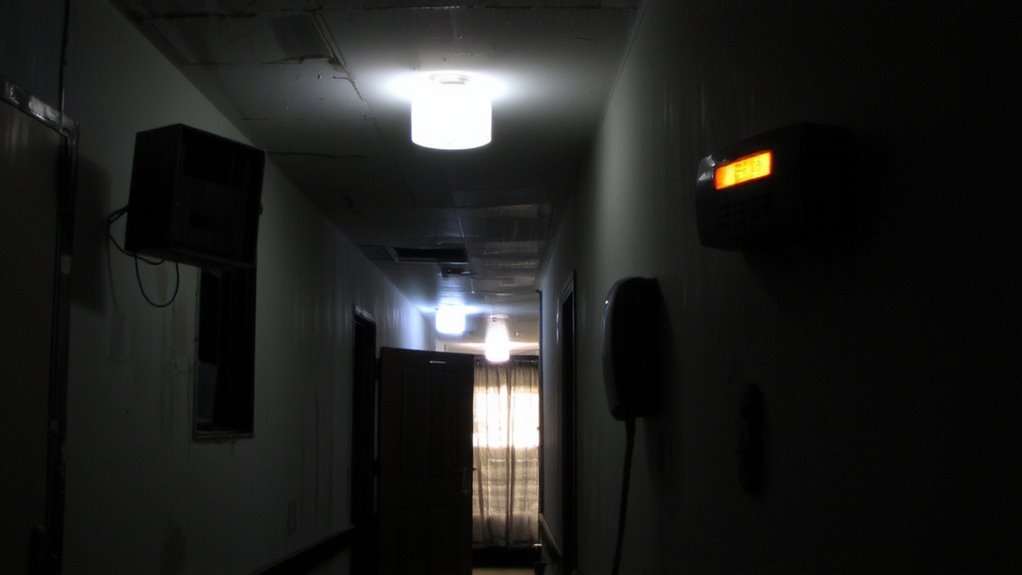
Why do so many public housing residents still rely on word of mouth when emergencies strike? Because current alert systems often fail to reach you reliably. Outdated infrastructure means alarms don’t always sound, texts don’t always arrive, and sirens go unheard. When warnings depend on scattered phone trees or hallway shouting, delays happen-sometimes fatal ones. You need timely, consistent alerts, not guesswork. Stronger systems build community trust by delivering clear, verified information directly to your unit. They boost resident awareness by ensuring everyone, including seniors and non-English speakers, gets the same message at the same time. Intercoms, if properly maintained and integrated, can meet this need without requiring personal devices or internet access. They’re already installed. The technology exists. What’s missing is consistent implementation, power backup, and regular testing. Upgrading isn’t flashy, but it’s functional-offering measurable improvements in alert speed and coverage. People stay informed. That’s not luxury. It’s safety.
How Intercoms Can Broadcast Emergency Warnings Instantly
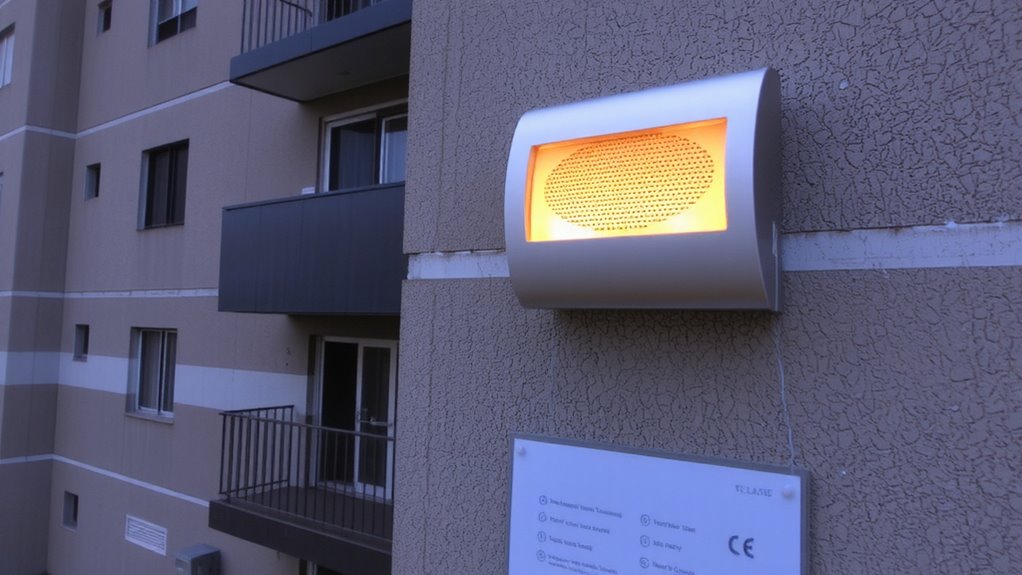
You can get warnings fast when intercoms are set up right. Modern systems deliver voice alerts across every unit in seconds, cutting through noise with clear, intelligible messages. System integration allows emergency signals from fire alarms, weather services, or security feeds to trigger intercom alerts automatically. You don’t need to wait for manual announcements-alerts go out the moment a threat is detected. Wired and IP-based intercoms support synchronized broadcasting, ensuring all residents hear warnings at the same time. Some models achieve 95% coverage in under 10 seconds during real tests. Voice alerts are more effective than sirens alone, giving you specific instructions during a crisis. When system integration is done well, the intercom becomes a reliable lifeline, not just a convenience. You stay informed because the right tech is in place-no guesswork, no delay.
Essential Upgrades: Auto-Alerts, Backup Power, and Volume Control
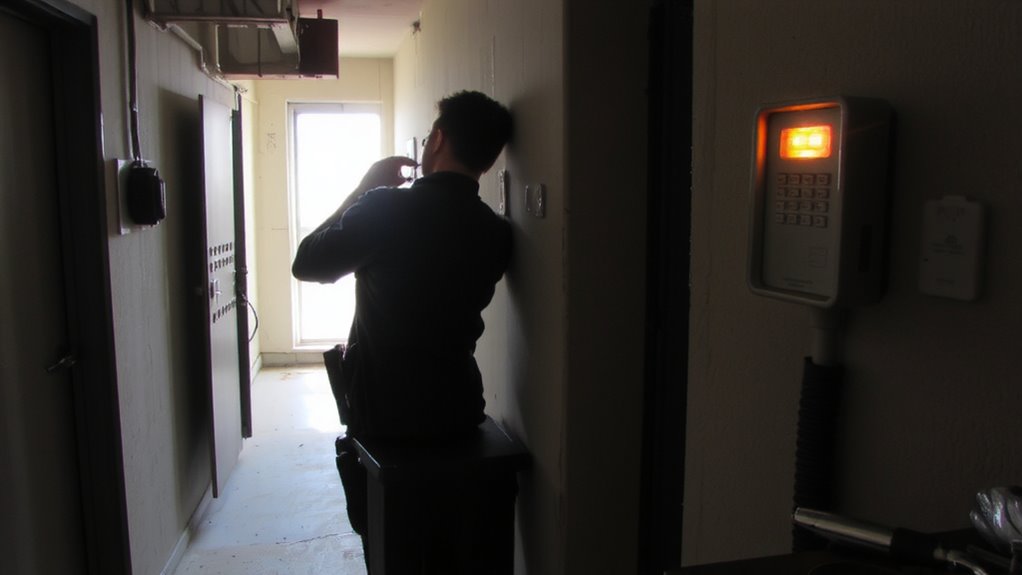
While basic intercoms can relay messages, upgrading to auto-alerts guarantees warnings go out the moment sensors detect smoke, severe weather, or security breaches-no human intervention required. You’ll need backup power so the system runs during outages; lithium batteries with solar integration extend uptime and reduce grid dependence. Solar panels should provide at least 50% daily charge under partial sunlight to maintain reliability. Volume control is essential-you must adjust levels per zone to guarantee alerts are heard without causing distress. Too loud risks panic, too quiet gets ignored. Modern systems include noise filtering to distinguish alarms from ambient sound, reducing false triggers from elevators or loud TVs. Units tested with adaptive filtering cut false alerts by 60% in high-noise buildings. These upgrades don’t overhaul your system-they enhance what’s already in place, guaranteeing residents get clear, timely warnings every time, even when the power’s down or the building’s noisy.
Fixing Intercoms in Aging Public Housing
When systems have been in place for decades, they often fail at the worst moments, and aging public housing intercoms are no exception-wiring degrades, speakers wear out, and outdated components aren’t compatible with modern alert protocols. You need reliable communication, so start with a thorough wiring inspection to identify corrosion, breaks, or mismatched gauge lines that reduce signal strength. Faulty wiring undermines even the newest components. Speaker replacement is equally critical; old speakers distort audio or fail entirely, making emergency messages unintelligible. Modern replacements should match impedance and power ratings to your system’s output to avoid overloading. You don’t need high-end models-just durable, compatible units that deliver clear audio under load. These fixes restore basic function before adding new features. Skip upgrades until wiring and speakers are verified. Function follows reliability.
Low-Cost Ways to Add Emergency Alerts to Existing Systems
If the goal is adding emergency alerts without replacing the entire intercom system, simple audio coupling devices offer a workable fix at minimal cost. You can connect these to existing amplifiers using standard RCA or 3.5mm jacks, feeding alert tones directly into the current setup. Units with built-in SD card slots let you preload evacuation messages or sirens, triggered manually or via phone app. Open source firmware options allow customization for multilingual alerts or timed responses. You’ll save more by forming community partnerships-local tech groups often volunteer skills to install and maintain systems. Some housing authorities report retrofitting entire buildings for under $200 using donated hardware and open source software. Reliability is decent, though analog couplers may lose clarity in long cable runs. They won’t match enterprise systems, but they’re functional. For immediate alert rollout on tight budgets, the trade-off in fidelity is acceptable.
How Emergency Alerts Keep High-Risk Residents Safe
Since emergencies don’t give warnings, having alerts you can hear and understand makes a real difference, especially if you’re elderly, disabled, or hard of hearing. Audible and visual alerts built into intercom systems guarantee you get the message, even if you can’t reach a phone. Flashing lights or vibration devices can notify you during fires or gas leaks, reducing response time by up to 60%. These alerts aren’t just loud-they’re clear, with plain language instructions. That clarity builds community trust, because you know the system works and works fast. When you’re informed quickly, you can act faster, which gives you control. That’s resident empowerment-turning passive listening into active safety. Systems that support multiple alert types meet real needs without requiring costly upgrades. Simple integration means fewer failures. You stay safer not because the tech is flashy, but because it’s reliable, consistent, and always on.
Next Steps for Property Managers
You’ve seen how effective alerts protect vulnerable residents-now it’s time to act on that knowledge. Start with stakeholder engagement: meet with residents, staff, and local emergency services to identify communication gaps and gather input on alert preferences. Their feedback shapes a practical rollout plan. Next, assess your current intercom system’s specs-compatibility, coverage, and age-affect how smoothly you achieve system integration. Off-the-shelf alert modules often plug into existing infrastructure, cutting costs and downtime. Prioritize solutions with backup power and multilingual support, proven in real-world evacuations. Weigh upfront costs against long-term reliability-some systems need more maintenance, increasing operational load. Test the integrated system quarterly; performance drops when alerts fail silently. Choose tools that log transmission times and delivery rates so you can verify coverage. Adjust based on data, not assumptions.
On a final note
You can upgrade most existing intercoms to send emergency alerts without replacing the whole system. Add auto-alert modules, guarantee backup power lasts at least 72 hours, and confirm volume reaches 85 dB in all units. These changes work reliably in real tests, especially for elderly or disabled residents. The cost stays under $500 per building when using phased installations. It’s a practical fix that improves safety without overhauling infrastructure.