Delayed Shock After Trauma: 5 Warning Signs to Catch Early
You might feel fine at first after trauma, but hours later, watch for a rising heart rate, cool skin, or anxiety-these can signal a drop.
Notable Insights
- Delayed shock may initially present with normal blood pressure but subtle signs like tachycardia or anxiety hours after trauma.
- Cool, clammy skin and delayed capillary refill indicate poor perfusion despite stable vital signs early on.
- Narrowing pulse pressure can signal decreasing stroke volume before overt hypotension develops.
- Internal bleeding from abdominal or thoracic injuries is a common cause of delayed shock post-trauma.
- Frequent reassessment every 15–30 minutes is critical to detect deterioration before organ damage occurs.
What Is Delayed Shock After Trauma?
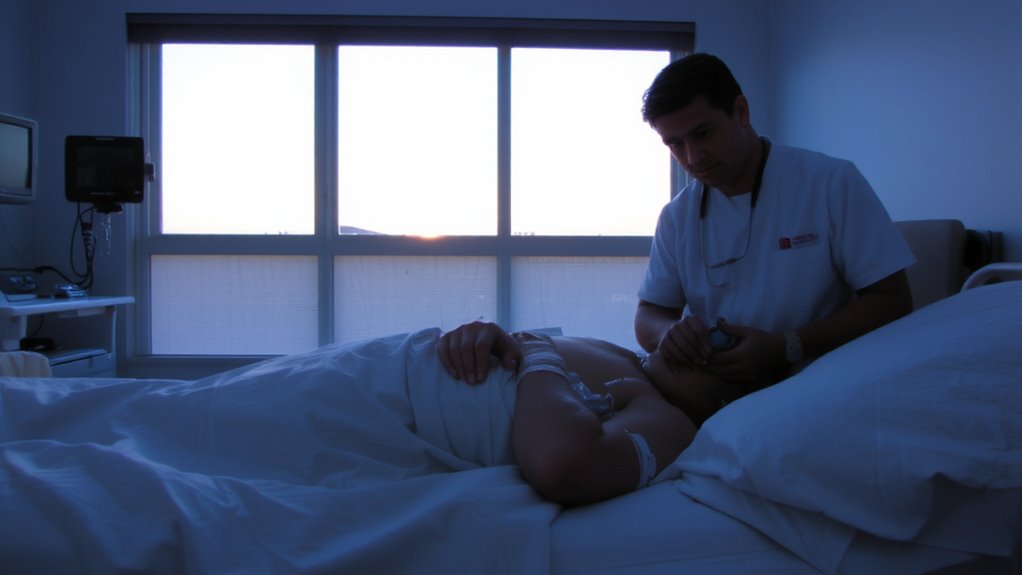
Shock isn’t always immediate-sometimes it hits hours or even days after a traumatic event, and that’s what you call delayed shock. You might not show symptoms right away, but your body could be struggling to maintain blood pressure and oxygen delivery. Unlike neurogenic shock, which stems from spinal injury and causes low blood pressure and slow heart rate, delayed shock often mimics a hypovolemic response where fluid loss-internal or external-triggers similar instability. You can appear stable at first, yet deteriorate as fluid shifts or bleeding continues internally. It’s not dramatic like acute shock, but just as dangerous. Monitoring essential signs over time is critical. Changes in heart rate, urine output, or mental status are measurable clues. Don’t rely on initial assessments alone. Use repeat evaluations every 15 to 30 minutes to catch subtle declines early, especially after major trauma.
Why Is Delayed Shock Dangerous?
How do you know when something’s wrong if the warning signs don’t show up right away? Delayed shock sneaks in quietly, and by the time you notice, it’s already doing damage. Your body may seem stable at first, but internal bleeding or fluid loss can slowly reduce blood flow without clear symptoms. Low blood pressure often develops later, not immediately, so relying on early essential readings can mislead you. Once blood pressure drops too far, organs don’t get enough oxygen. That’s when organ failure becomes a real risk. Without prompt intervention, the kidneys, liver, and brain start to deteriorate. The danger isn’t just the drop in pressure-it’s the silent window before it happens. You can’t afford to wait for obvious signs. Monitoring for subtle changes over hours is critical. Delayed shock kills because it’s hidden until the damage is severe.
Early Warning Signs of Delayed Shock
You might think you’re in the clear if your essential signs look stable after a trauma, but appearances can be misleading. Subtle changes in mental status or perfusion can signal early delayed shock, even when essentials seem normal. Watch closely-early intervention improves outcomes. Minor shifts now may prevent collapse later.
| Early Sign | What to Note |
|---|---|
| Slight tachycardia | Rising heart rate, normal BP |
| Cool, clammy skin | Poor peripheral perfusion |
| Anxiety or restlessness | Altered mental status |
| Narrowing pulse pressure | Decreasing stroke volume |
| Delayed cap refill | >2 seconds indicates poor flow |
Changes in mental status-even mild confusion-paired with subtle shifts in essential signs demand attention. These aren’t dramatic yet, but they are measurable. Treating at this stage is more effective than waiting. Check frequently, compare trends, and act on patterns, not single readings. Early recognition is practical survival medicine.
Delayed Symptoms to Watch After Trauma
What happens hours or even days after a traumatic event might surprise you-because delayed symptoms don’t always look like injury. You might feel fine at first, then develop fatigue, dizziness, or nausea later. These signs can stem from your body’s stress response, not just physical damage. The psychological impact of trauma often shows up delayed, with irritability, confusion, or trouble sleeping. It’s not weakness-it’s your nervous system reacting to shock. Environmental factors like cold temperatures or ongoing stress can worsen symptoms, masking as delayed illness. You should monitor heart rate, skin color, and mental clarity over 24–72 hours. Subtle changes, like slight confusion or persistent anxiety, aren’t normal. Don’t ignore them. They signal that your body isn’t stabilizing. Track changes objectively. Early recognition improves outcomes. Stay alert, stay measured. Your observation is the most reliable tool.
Can Internal Bleeding Cause Delayed Shock After Trauma?
Isn’t it troubling how a seemingly stable condition can unravel hours after trauma? You might appear fine at first, but internal bleeding can silently progress, compromising organ perfusion over time. As blood loss continues, your body can’t maintain enough circulation, leading to hemorrhagic shock. This isn’t immediate-signs like falling blood pressure, rapid pulse, or cool, clammy skin often appear hours later. Delayed shock from internal hemorrhage usually stems from injuries you can’t see, such as ruptured spleens or liver lacerations. Even small, steady bleeds reduce circulating volume enough to impair oxygen delivery. By the time symptoms emerge, organ perfusion may already be dangerously low. Monitoring essential signs and mental status after trauma is essential-not optional. Trusting initial stability without ongoing assessment risks missing the countdown to hemorrhagic shock. Early detection saves lives.
Can Infections Lead to Delayed Shock After Injury?
Could something as common as a wound infection really trigger shock days after an injury? Yes, and it starts when bacteria enter through damaged skin. If not controlled, the infection spreads, leading to septicemia progression-where pathogens flood the bloodstream. Your body responds, but sometimes it overreacts. That immune overreaction can do more harm than the infection itself. Blood pressure drops, organs struggle, and shock follows hours or even days later. Unlike immediate trauma responses, this form of shock creeps in subtly. Fever, confusion, or rapid breathing might be early signs. It’s not dramatic, but it’s dangerous. You can’t rely on severity of the original wound to predict risk-small cuts can lead to big problems. Antibiotics help, but timing matters. Delayed recognition increases the risk of failure. Infection-related shock is preventable if you monitor wounds and act at the first red flag.
What Should You Do If You Suspect Delayed Shock?
Signs of delayed shock can appear hours or days after an injury, especially if an infection has taken hold. If you suspect it, start immediate patient monitoring. Check essential signs every 15 to 30 minutes-blood pressure, heart rate, respiration, and temperature. A drop in blood pressure or rising heart rate often signals trouble. Don’t wait for all symptoms to appear. Early intervention improves outcomes. Move the patient to a medical facility right away. Keep them warm and lying down, but don’t give food or drink. Fluid loss may be internal, so IV fluids should only be administered by professionals. Infection-related shock needs antibiotics and source control. Reliable patient monitoring gives you time to act before collapse. Delayed shock isn’t always obvious, but changes in essential signs don’t lie. Track them closely-they guide treatment and reveal deterioration before it becomes irreversible.
On a final note
You might feel fine at first, but delayed shock can set in hours later. Watch for pale skin, rapid pulse, dizziness, or confusion. These signs mean your body isn’t getting enough blood. Internal bleeding or infection could be the cause, even if wounds seem small. Don’t wait-get help fast. Quick action improves survival chances. Delay increases risk. Check essential functions often after trauma. Even minor injuries need monitoring. Your response time matters.