Evaluating the Risk of Electrical Fire From DIY Wiring
You’re risking fire when DIY wiring lacks code compliance-loose connections generate heat, sometimes over 500°F, igniting walls invisibly. Overloaded circuits and daisy-chained outlets strain weak points, while improper grounding leaves no fault protection. Flickering lights or warm switch plates signal danger, but often there’s no warning. Licensed electricians test connections, size wires correctly, and verify safety. Skipping this increases hazard exposure-knowing what’s at stake changes how you approach electrical work.
Notable Insights
- Loose wire connections increase resistance and generate extreme heat, potentially igniting surrounding materials.
- Overloaded circuits can overheat at weak points, especially when high-wattage devices exceed 80% of circuit capacity.
- Improper grounding creates shock and fire hazards by leaving no safe path for fault currents.
- Flickering lights, burning smells, or discolored outlets indicate hidden wiring problems and possible fire risks.
- Licensed electricians ensure code compliance, proper connections, and safe load management to prevent electrical fires.
Why DIY Wiring Causes Electrical Fires
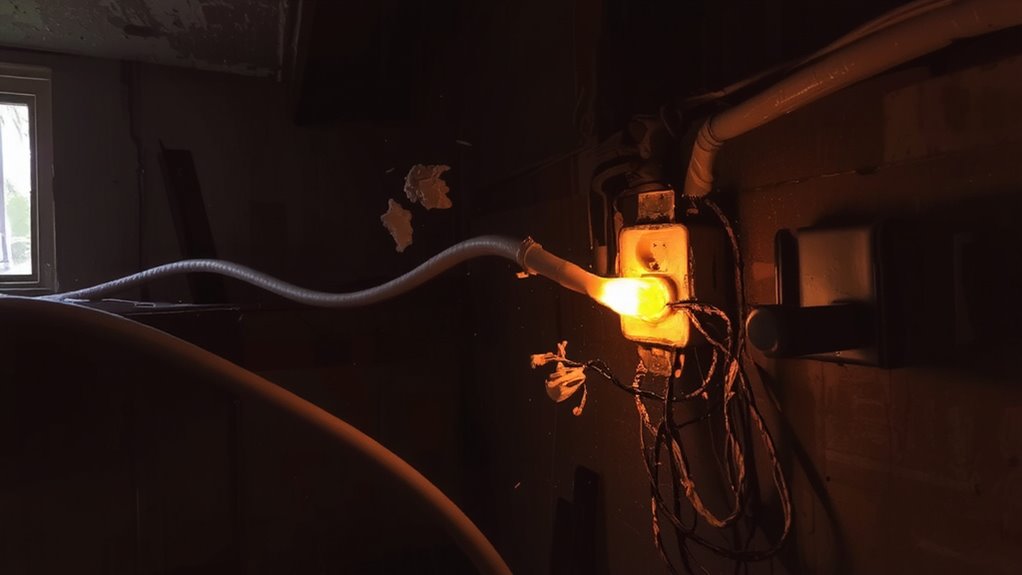
A loose connection is one of the most common culprits behind electrical fires in DIY wiring jobs-and it’s something you might not notice until it’s too late. When wires aren’t tightly secured, resistance increases, generating heat that can ignite nearby materials. You’re likely unaware, but even a slight gap in a wire nut or terminal screw can degrade over time, especially under load. Overloaded circuits make this worse, as excessive current magnifies heat buildup in already weak points. Improper grounding is another silent risk-without a proper path for fault current, surges have nowhere to go but into your walls. You may think the lights working means everything’s fine, but hidden faults persist. These conditions often coexist in DIY setups, creating a chain of vulnerabilities. You can’t see insulation smoldering inside a wall until flames emerge. Testing shows temperatures at faulty connections can exceed 500°F, enough to ignite wood. The risk isn’t dramatic-it’s gradual, invisible, and avoidable with code-compliant work.
5 Common DIY Electrical Mistakes That Start Fires
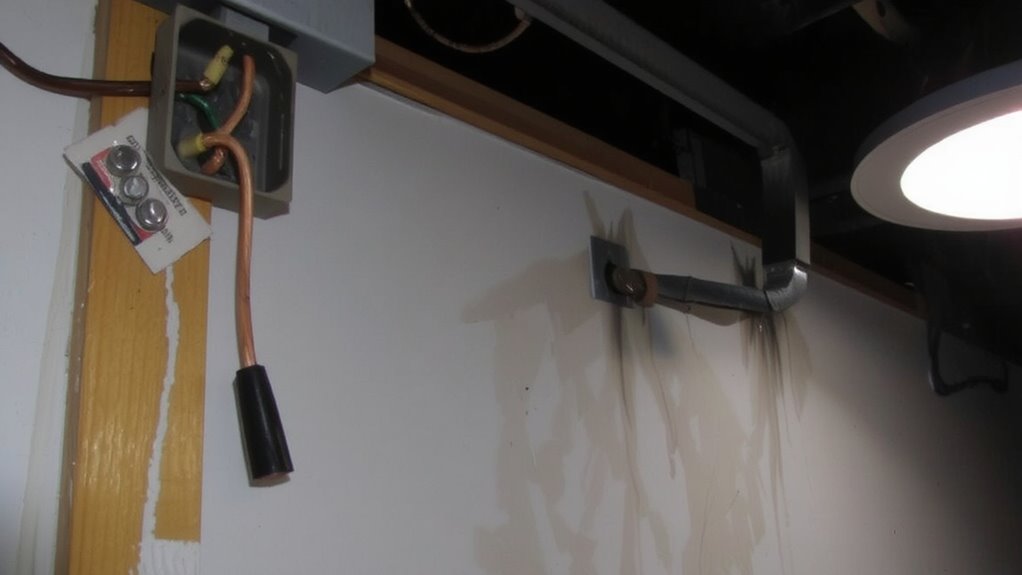
Overconfidence is the first spark in many electrical fires stemming from DIY work. You might think you’ve wired that outlet correctly, but improper grounding is a silent hazard-it leaves no warning until something goes wrong. Without a proper ground, fault currents have nowhere to go, increasing shock and fire risk. You also risk creating overloaded circuits by daisy-chaining outlets or powering too many devices from one line. Breakers should trip, but if they’re undersized or faulty, heat builds in walls. A 15-amp circuit can’t safely handle space heaters, microwaves, and lamps all at once. Common mistakes include loose connections, incorrect wire gauges, and skipping permits. These aren’t just code violations-they’re fire triggers. You save money upfront, but the trade-off is reliability and safety. Simple fixes? Verify grounding with a tester, map circuit loads, and never exceed 80% of a circuit’s capacity.
Warning Signs of Dangerous DIY Wiring
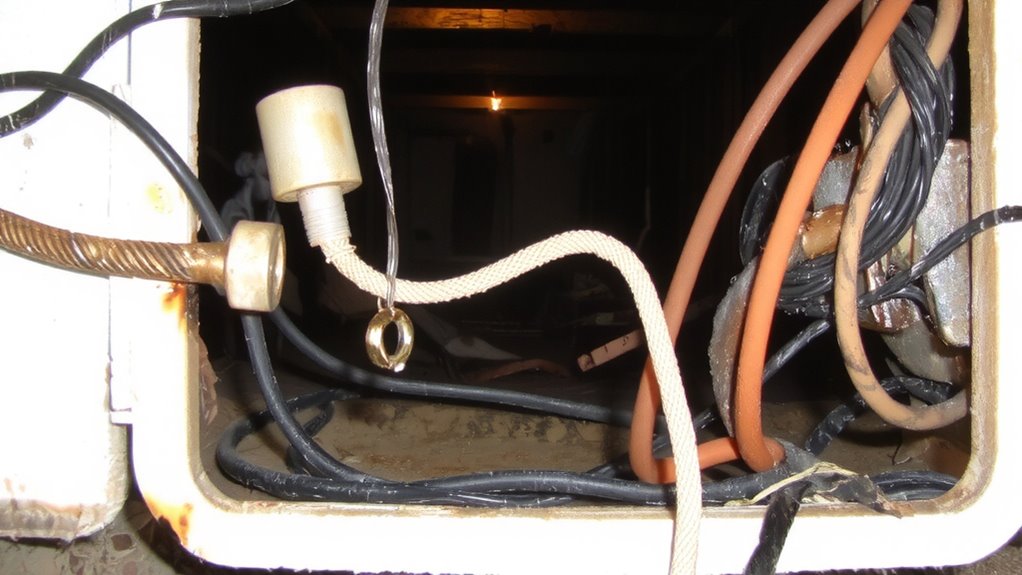
You’ve seen how shortcuts in wiring can lead to serious risks-now it’s time to spot the red flags those mistakes leave behind. Flickering lights aren’t just annoying-they often mean loose connections or overloaded circuits, both of which raise fire risk. If the flickering happens when you turn on a specific appliance, that’s a sign the circuit can’t handle the load. Burning smells, especially near outlets or breaker boxes, are even more urgent. That odor usually means overheating wires or melting insulation, both precursors to fire. Discolored outlets or warm switch plates can accompany these smells and confirm excessive heat buildup. You don’t need specialized tools to notice these signs. Trust your senses. Ignoring them increases danger. These aren’t minor quirks-they’re clear warnings the system is failing. Acting early can prevent a fire. Don’t wait until something fails completely.
How Electricians Avoid DIY Wiring Hazards
The best way to avoid the hazards of DIY wiring is to let licensed electricians handle the work-they follow strict codes and use tested methods that reduce fire risk. Proper insulation and code compliance aren’t just suggestions; they’re critical for safety and long-term reliability. You get predictable results because electricians apply consistent standards every time.
| What Electricians Do | Why It Matters |
|---|---|
| Use proper insulation | Prevents short circuits and overheating |
| Follow code compliance | Meets legal and safety requirements |
| Test connections | Guarantees secure, low-resistance joints |
| Size wires correctly | Matches load demands and prevents overload |
| Inspect final setups | Catches errors before energizing |
You avoid guesswork-you get verification. Their training means they spot risks you might miss. This isn’t about convenience; it’s about building systems that perform safely under real load conditions.
The True Cost of DIY Electrical Fires vs Hiring a Pro
Cutting corners on electrical work might save a few dollars upfront, but the stakes rise fast when a faulty connection sparks a fire. You’re not just risking injury-you’re inviting massive property damage that can destroy your home and belongings in minutes. Repairs after an electrical fire often cost tens of thousands, and your insurance may not cover DIY-related incidents. In fact, claims from unpermitted electrical work can drive up your insurance premiums long-term or lead to outright denial of coverage. Hiring a licensed pro costs more initially, but it’s a fixed, predictable expense. They follow code, use approved materials, and provide permits-factors insurers consider when setting rates. You avoid hidden risks and financial surprises down the line. When weighed objectively, the pro’s fee isn’t an expense; it’s insurance against catastrophic loss.
When to Call an Electrician (Not DIY)
How often do you tackle electrical work without knowing the risks involved? You might save time now, but skipping a pro can lead to code violations, failed inspections, and even voided home insurance. Whenever permit requirements apply-like for new circuits, panel upgrades, or outdoor wiring-you need a licensed electrician. Permits aren’t just paperwork; they trigger inspections that catch hidden flaws. Ignoring them raises liability concerns, especially if faulty wiring causes a fire. You could be held legally and financially responsible. DIY fixes may seem to work, but incorrect grounding or overloaded circuits can smolder for months. For tasks beyond replacing switches or outlets, don’t gamble. Call an electrician when you lack experience, when local codes demand permits, or when safety systems like GFCIs aren’t functioning. It’s not about skill level-it’s about verified safety and compliance.
On a final note
You might save money upfront with DIY wiring, but the risks aren’t worth it. Faulty connections, overloaded circuits, and incorrect wire gauges can overheat and ignite fires. Licensed electricians follow code, use the right materials, and test installations-measurable safeguards you can’t replicate without training. One mistake burns more than cash. When it comes to wiring, hire a pro. Your home’s safety depends on it.