Igniting Dry Inner Bark With a Magnesium Fire Starter
You can ignite dry inner bark with a magnesium fire starter even in rain because its fibrous, resin-rich layers repel water and catch sparks fast. Scrape fine magnesium dust onto the bark’s dry inner fibers-this boosts spark ignition up to 4,000°F. Use a firm 45-degree scrape with a metal striker for best results. Success depends on dry tinder prep and sharp technique. Mastering this method gives reliable fire in wet conditions. There’s more to optimizing your fire setup where conditions get tougher.
Notable Insights
- Dry inner bark ignites easily due to low moisture and fibrous, air-trapped structure ideal for catching sparks.
- Choose birch, cedar, or tulip poplar for their naturally dry, water-resistant inner bark layers.
- Scrape 3–5 times with a magnesium fire starter to produce sufficient fine, flammable shavings on the tinder.
- Angle the striker at 30–45 degrees to generate hot sparks and ignite magnesium dust through vapor priming.
- Shield the tinder from wind and rain while gently blowing on embers to sustain and grow the flame.
Why Dry Inner Bark Catches Fire in the Rain
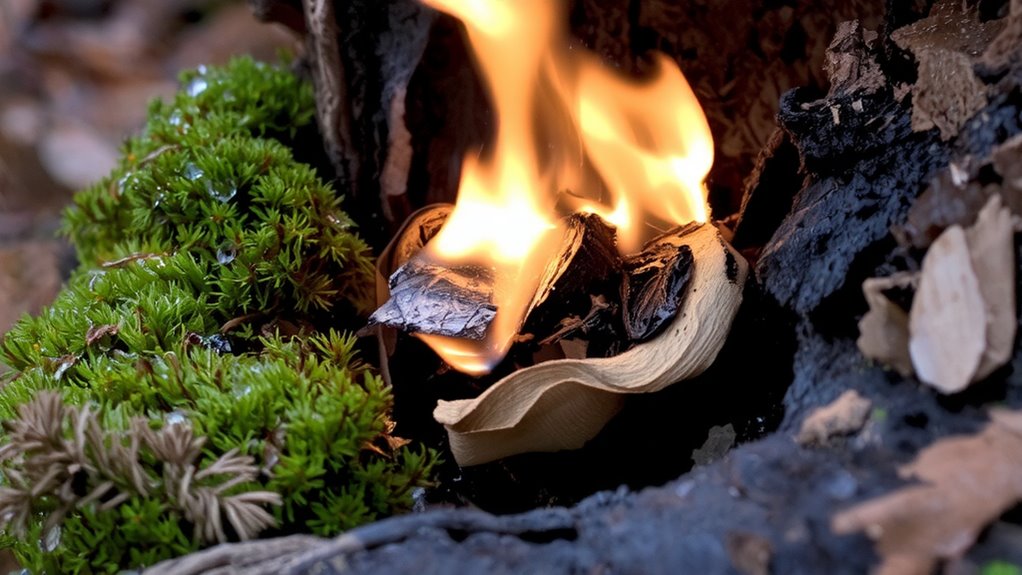
A small amount of dry inner bark can ignite even in rainy conditions because it contains little moisture and burns hot once lit. You’ll find it catches quickly when scraped into fine fibers, especially when exposed to sparks from a magnesium fire starter. The bark’s natural hydrophobic resins repel water, helping it stay dry beneath the outer layers during storms. These resins also lower the ignition temperature slightly, making flame initiation easier. Trapped air pockets within the fibrous structure improve insulation and promote rapid combustion by increasing airflow at the burn site. Even when wet, outer layers can be peeled away to reveal dry inner material ready to catch. It’s not foolproof-success depends on bark thickness and tree species-but with practice, you can consistently ignite it in damp conditions. No special tools needed, just reliable technique.
Best Trees for Finding Dry Bark in the Wild
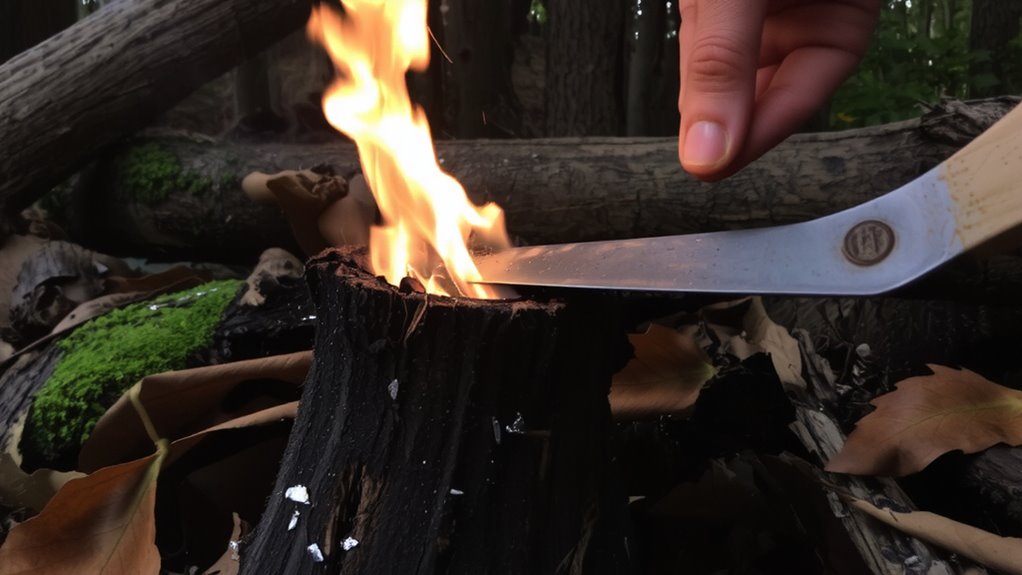
When you’re looking for dry bark in the wild, your best bets are trees with thick, layered bark that naturally shields the inner fibers from moisture. Tree selection matters-focus on species like birch, cedar, and tulip poplar, which retain dry inner bark even in damp conditions. Birch bark contains natural oils that repel water, making it reliable for ignition. Cedar peels easily, exposing fibrous, dry layers underneath. Tulip poplar bark is thick and corky, protecting the inner material from rain. For effective bark harvesting, use a knife to lift a section without damaging surrounding tissue. Avoid wet or decaying trees-check several spots before committing. Not all bark is equal; some require more prep than others. Choose wisely, and you’ll have dependable tinder when it counts. A reliable fire piston can enhance your fire-starting success when using prepared bark tinder.
How to Spark a Magnesium Fire Starter the Right Way
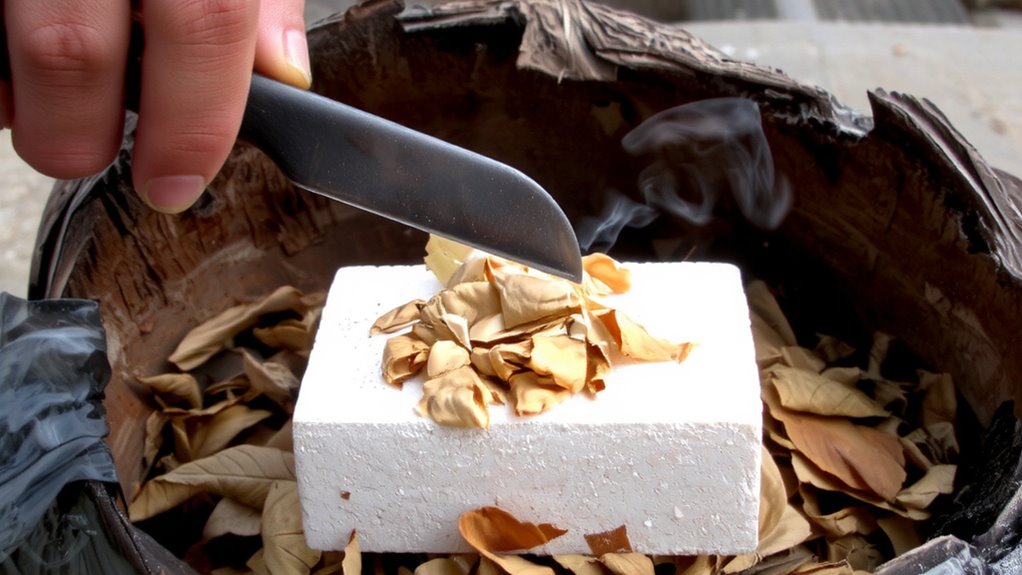
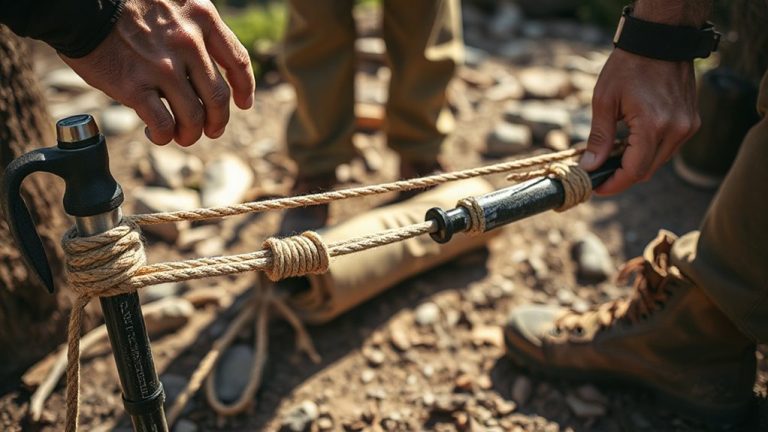
You’ve gathered dry inner bark from a birch or cedar, and now it’s time to get a spark where it matters. Hold the magnesium rod with a proper grip-firm but not tense-angling the scraper at about 45 degrees. Your knife spine or striker should make full contact along the rod’s edge to maximize shavings. Use consistent scraping: short, sharp pulls that shave off fine magnesium dust onto your tinder. A weak scrape won’t produce enough material; too much force can slip and waste material or injure you. Ferrocerium rods spark at around 3,000°F, and the magnesium boosts ignition. Test shows 3–5 strong scrapes generate enough material for reliable ignition in dry conditions. Wet or windy environments demand more volume, but that’s a separate challenge. Proper grip and consistent scraping give repeatable results. Efficiency matters when energy and warmth depend on one successful spark. For those making their own, pairing your starter with effective DIY fire starters can significantly improve success rates.
Step-By-Step: Igniting Wet-Weather Tinder With Magnesium
That magnesium fire starter won’t fail you in the rain, but your technique has to change when the tinder’s damp. Scrape off the wet outer layer of your tinder and use fine, dry fibers underneath. Shave magnesium directly onto the pile-about a tablespoon guarantees enough fuel. The key is vapor priming: the hot shavings ignite the volatile gases released from heated material, not the solid fibers. Hold the scraper at a 30-degree angle and strike fast for consistent friction ignition. Use a backswing motion to build momentum, directing sparks downward. Protect the pile from wind and rain with your hand or a piece of bark. Once you see embers, gently blow to increase oxygen flow. Success depends on prep as much as the tool. Even cheap strikers work if you manage heat transfer correctly. Magnesium burns at 5,000°F-hot enough to catch damp tinder when primed right. For reliable performance in extreme conditions, consider a survival lighter with a built-in magnesium rod.
Why Your Fire Won’t Light (And How to Fix It)
Why does your fire struggle to catch even with magnesium shavings and dry bark? More often than not, fuel moisture is the culprit-your tinder might seem dry but still holds enough ambient humidity to resist ignition. Even inner bark, when improperly stored, absorbs moisture, slowing burn initiation. You also might be misjudging ignition timing: striking the ferro rod too slowly or misaligning the spark direction wastes hot sparks before they reach the tinder. Magnesium burns hot-up to 4,000°F-but only if sparks hit dry, fine material at the right angle and speed. To fix it, prep ultra-fine tinder shavings, guarantee they’re shielded from wind and damp, and strike the rod sharply toward the pile. Test ignition timing by practicing in dry conditions first. Adjust hand positioning until sparks consistently land on target. Proper fuel prep and precise timing are measurable, repeatable factors that determine success.
Fire-Starting Hacks That Work in Heavy Rain
Even when rain soaks the landscape, starting a fire is still possible with the right technique and materials. Use waterproof tinder alternatives like cotton balls soaked in petroleum jelly or commercial fire cubes-they light easily and burn long enough to ignite damp kindling. Pair them with reliable ignition techniques such as a magnesium fire starter, which produces hot sparks even when wet. Protect your setup with a tarp or natural windbreak to keep critical components dry. Below are proven combinations:
| Tinder Alternative | Ignition Technique | Lights in Rain? |
|---|---|---|
| Cotton + Vaseline | Ferro rod | Yes |
| Dryer lint + wax | Magnesium scraper | Yes |
| Wood shavings (inner bark) | Waterproof match | Moderate |
| Fire cube | Spark rod | Yes |
| Char cloth | Flint and steel | Yes |
Inner bark stays dry beneath the surface-carry a knife to access it.
On a final note
You can rely on dry inner bark and a magnesium fire starter to ignite fire in wet conditions. The bark burns hot enough to catch when scraped magnesium catches spark. It works, but takes practice. Magnesium bars last longer than lighters and function when wet, though they fail with poor technique. Carry char cloth or cotton balls to boost success. It’s not foolproof, but it’s dependable when you know the limits.