Understanding Seasonal Cycles When Gathering Wild Food Post-Emergency
You’ll get better results if you time your foraging with the seasons. Spring greens are nutritious and tender before bolting, but turn bitter once flowers appear. Summer berries must be fully ripe to avoid illness and guarantee energy yield. Fall nuts need post-frost drop and careful inspection for mold. Winter offers limited but viable options like frozen mushrooms and evergreen tips. Each season demands specific checks for safety and quality-knowing these cycles improves your success rate. Mastering them gives you a reliable edge when supplies run low.
Notable Insights
- Harvest spring greens early, before bolting, to ensure tenderness and avoid toxicity from mature plants.
- Pick summer berries only when fully ripe, dark, and easily detached to maximize yield and avoid toxic look-alikes.
- Collect fall nuts after the first frost when they drop naturally, checking for mold, insects, and shell integrity.
- Forage winter edibles like frozen fungi and evergreen tips, which retain nutrients and remain identifiable in snow.
- Avoid misidentification by mastering plant ID year-round, using multiple features and reliable guides, not myths or animal behavior.
Why Seasons Control Your Foraging Success
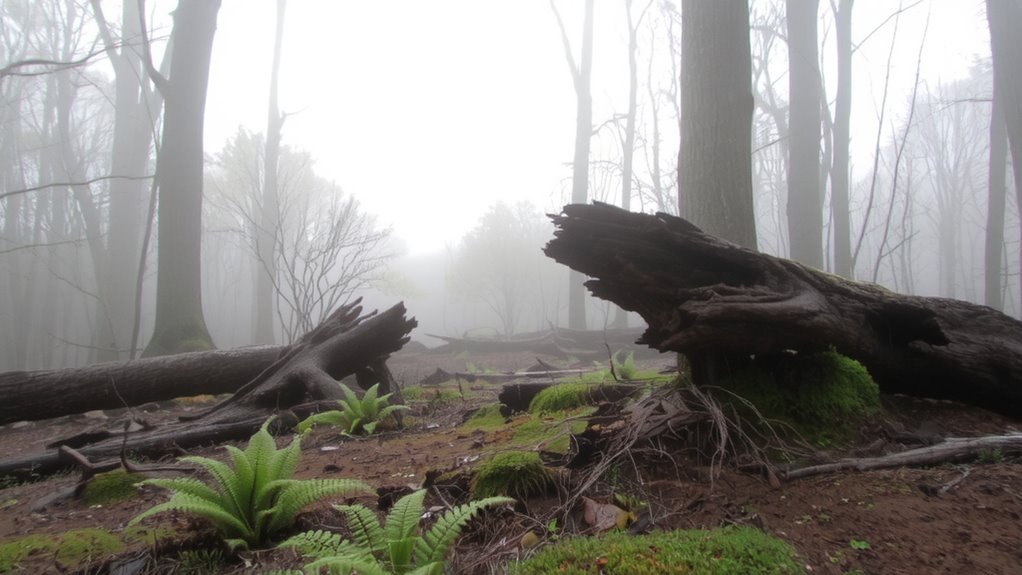
While nature doesn’t keep a calendar, you’ll notice that timing shapes every foraging trip you take-show up too early or too late, and the food simply won’t be there. Seasonal shifts directly control plant availability, dictating when species emerge, mature, and die back. You can’t force a crop on nature’s schedule. Weather patterns further modulate this cycle, with cold snaps delaying growth or unseasonal rains extending harvest windows. For example, a dry spring reduces berry yields, while mild winters trigger earlier budbreak in nut trees. These variables affect not just timing but also nutritional quality and caloric return. Ignoring them lowers your foraging success. You’ll waste energy searching for food that isn’t present. Plan your trips around observed seasonal cues-soil warmth, daylight length, and species-specific indicators-rather than fixed dates. Your yield depends on alignment with these natural rhythms.
Forage Spring Greens Before They Bolt
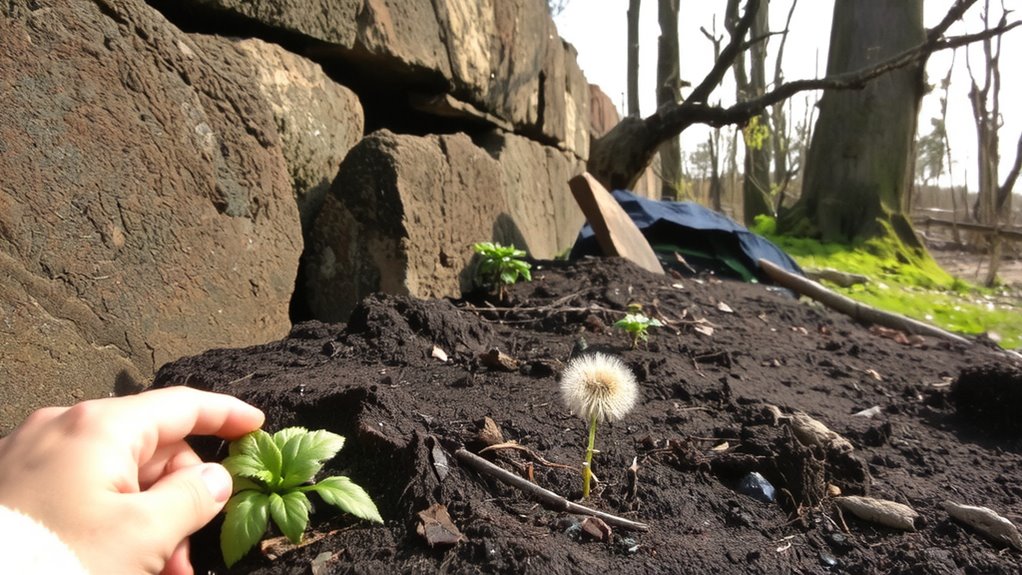
What’s the rush with spring greens? Because they bolt quickly, turning tough and bitter once they start flowering. You need to harvest them young, when the leaves are tender and nutrient-rich. Once bolting begins, flavor drops and digestion becomes harder. This is where flower identification helps-you’ll spot which plants are nearing maturity and avoid those. Some greens, like wild mustard, are safe early but risky later due to shifting chemical compounds. Watch for plant toxicity clues: avoid anything with milky sap unless you’re certain it’s edible. Misidentification can lead to illness. Cool, moist spring weather extends the harvest window, but warm spells accelerate bolting. Check patches every few days. Prioritize fast-growing species first. Act early, act often, and use visual cues over calendars. Your timing directly affects safety and nutrition.
Harvest Summer Berries at Peak Ripeness
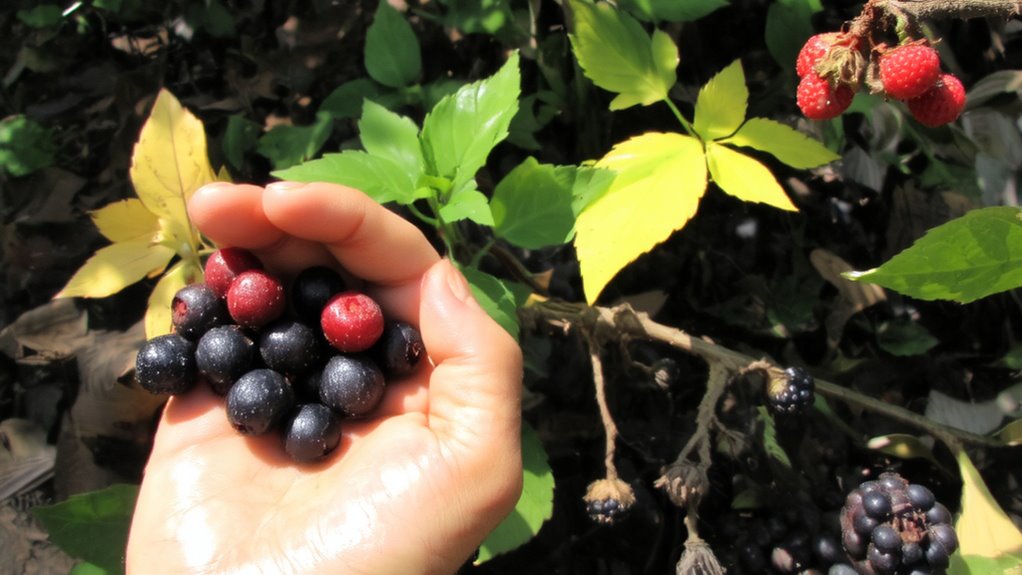
Timing matters most with summer berries-pick too early and you sacrifice sweetness, too late and you lose firmness and nutrients. You need sharp berry identification skills because edible species like blackberries and raspberries have toxic look-alikes. Mistaking them risks illness. Ripeness timing isn’t guesswork-berries darken fully, plump slightly, and detach easily when ready. Wild strawberries, for example, turn deep red but stay firm; huckleberries develop a dull bloom. Overripe fruit attracts insects and molds, reducing shelf life. Plan morning harvests after dew dries-humidity drops, making spoilage less likely. Your yield drops 30–50% if you ignore ripeness timing. Use breathable containers to avoid crushing. Some species ripen unevenly, so return every 2–3 days. Prioritize full color and slight softness-measurable signs of peak nutrition. You won’t gain extra sugars past this point, just water weight and decay risk.
Gather Fall Nuts and Wild Seeds Safely
When the first frosts arrive, you’ll find hickory, walnut, and acorn dropping in earnest, but don’t assume every fallen nut is safe or worth harvesting-soundness matters. Check each for mold, worms, or cracks; damaged nuts spoil faster and offer less nutrition. Proper nut identification is essential-look for distinct husks, shell ridges, and kernel color to avoid toxic look-alikes. Shake the nut; a rattle means it’s dried out and likely past peak quality. For wild seeds like amaranth or goldenrod, collect dry heads on calm days to minimize chaff. Use breathable cloth bags during gathering to prevent moisture buildup. Immediate drying in a warm, airy space improves longevity. For seed storage, use sealed glass jars in a cool, dark place-this cuts spoilage by over 60% compared to plastic. Label contents with collection date; most seeds remain viable for eating up to two years when stored properly.
Find Winter Edibles in Bare Landscapes
Even after snow covers the ground and the trees stand bare, you can still find food if you know where to look. Winter fungi like lion’s mane and oyster grow on dead wood and remain edible when frozen. They rehydrate well when thawed and retain most nutrients. Look on fallen logs or standing dead trees, especially in sheltered areas. You can’t rely on frozen herbs for flavor, but some retain vitamins. Evergreen tips from spruce or pine contain vitamin C and stay pliable under snow. Crush them to release oils before chewing. Dried goldenrod or yarrow heads may survive frost and offer mild medicinal properties. You’ll need sharp eyes and basic ID skills-mistakes aren’t worth the risk. These sources aren’t abundant, but they supplement calories and nutrients when options are scarce. Prioritize accessible, known species over rare finds. Winter foraging is about efficiency, not discovery. You won’t find feasts, but frozen herbs and winter fungi make the difference between surviving and struggling.
Avoid Seasonal Foraging Mistakes
If you’re heading out to forage, assuming a plant is safe just because it’s common can get you seriously sick-many toxic species closely mimic edible ones, and the margin for error is slim. Trusting foraging myths, like “if animals eat it, it’s safe for you,” is risky; digestive systems differ, and some fruits safe for birds can cripple humans. Weather shifts alter growth patterns, so familiar plants may appear earlier or later than expected, increasing misidentification risks. Damp springs boost look-alikes like fool’s parsley near edible greens-mistaking them causes severe poisoning. Always verify with multiple ID features: leaf shape, smell, stem color. Relying on a single trait fails when conditions change. Seasonal moisture levels also affect plant toxicity; drought-stressed plants sometimes concentrate harmful compounds. Carry a region-specific guide and cross-reference every find. No shortcut beats accurate, repeated verification, especially when weather shifts blur the usual cues. Your safety hinges on precision, not assumptions.
Build Year-Round Wild Food Skills
Though the seasons change, your ability to find food in the wild doesn’t have to stop when winter hits or summer fades, so building skills across the full yearly cycle makes for dependable survival know-how. You’ll need consistent plant identification practice year-round, as many species look different in each season-leaves in spring, berries in summer, bare stems in winter. Misidentification risks toxicity, so cross-reference at least two field guides before consuming anything. Food preservation extends seasonal abundance into lean months; drying, smoking, and fermenting are low-tech, proven methods that require minimal tools. Dried herbs retain nutrients for six months if stored airtight; smoked fish lasts weeks without refrigeration. Rotating your preserved stock guarantees freshness. Skill depth matters more than gear-tracking plant cycles monthly builds reliability. Combined, these abilities reduce dependency on external supplies and increase your effective autonomy in any environment.
On a final note
You’ll find wild food easier to gather when you follow seasonal patterns. Spring offers tender greens before they bolt, summer brings ripe berries, fall delivers nuts and seeds, and winter still holds bark, roots, and evergreens. Timing matters-eat too early or late, and nutrition or safety drops. Learn what appears each season and where. This knowledge cuts guesswork, reduces risk, and keeps your calories reliable year-round. Stay observant, stay fed.