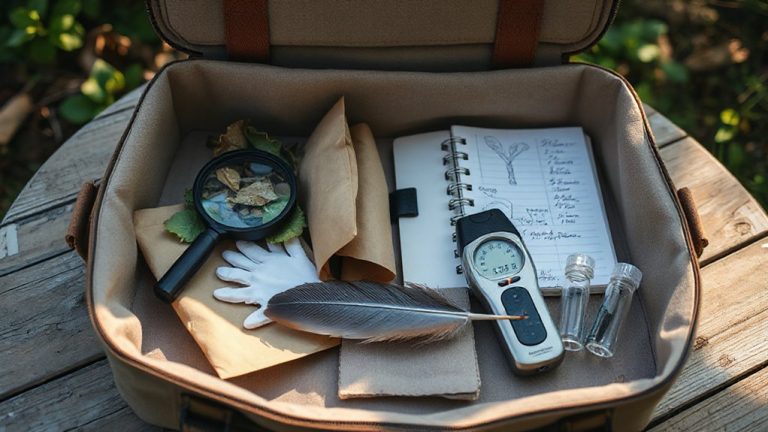
Understanding the Circulatory System for Effective Wilderness First Aid Response
You rely on blood flow to keep tissues alive, and when trauma blocks vessels or causes internal bleeding, oxygen delivery fails fast. Look for pale skin, slow capillary refill, or weak pulse-these signs show circulation is collapsing. A tourniquet stops limb bleeding if wide and tight enough. Shock means evacuation, even if the bleeding seems controlled. Stabilize with insulation, positioning, and constant checks-you’ll see how small actions directly sustain essential function until help arrives.
Notable Insights
- Vascular occlusion stops blood flow, causing tissue starvation visible as pallor, coolness, or absent pulse in the affected limb.
- Internal hemorrhage reduces circulating blood volume, leading to systemic hypoperfusion and signs of shock like rapid pulse and confusion.
- Cool, pale skin and delayed capillary refill indicate poor circulation, helping assess shock without medical equipment.
- Effective bleeding control with tourniquets or direct pressure preserves circulation and prevents progression to shock.
- Shock and compromised circulation require immediate evacuation, as they indicate life-threatening disruption of oxygen delivery and homeostasis.
What Goes Wrong With Blood Flow During Trauma
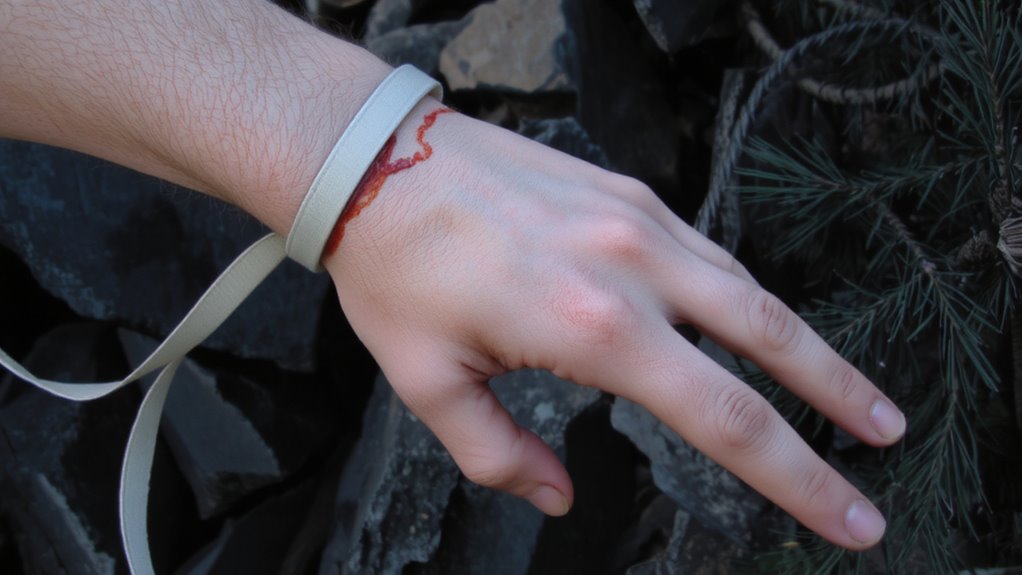
When you’re dealing with trauma in the backcountry, blood flow can go wrong fast, and recognizing the signs early is critical. Vascular occlusion blocks blood through compression or clotting, halting oxygen delivery downstream. You’ll see tissue pallor, coolness, or loss of pulse in the affected limb. It’s often mechanical-think crushed tissue or tight swelling-and acts quickly. Internal hemorrhage, meanwhile, drains volume you can’t see. Blood escapes vessels into cavities like the abdomen or chest, dropping circulation pressure. You won’t always spot bruising or pain immediately, but the effect on perfusion is real. Both issues disrupt homeostasis: one starves tissue locally, the other reduces systemic volume. Neither waits. You need to assess pulses, skin condition, and mental status promptly. Treat vascular occlusion by relieving pressure if possible; control internal hemorrhage by stabilizing the patient and minimizing movement. Time works against recovery in both cases.
How to Spot Shock and Circulation Failure in the Wild
How do you know when circulation is failing in the wild? Look for cool, pale skin and slow capillary refill-press a fingernail, and if color returns in over two seconds, it’s a red flag. Skin mottling, a patchy, marbled look, often appears on limbs and signals poor blood flow. The person may feel dizzy, act confused, or seem unusually anxious. Breathing becomes shallow, pulse weak or rapid. These aren’t subtle hints-they’re measurable signs your body’s struggling. Capillary refill and skin mottling are objective markers, not guesses. In remote settings, relying on them beats assumptions. You won’t have lab results, so use what you see. Early recognition gives you time-even small delays worsen outcomes. Trust the signs, not gut feelings. Evaluate consistently. Check every few minutes. Changes happen fast. Circulation failure isn’t always sudden; it creeps in. Spot it early, and you’ll act in time.
Stop Severe Bleeding With What You Have On Hand
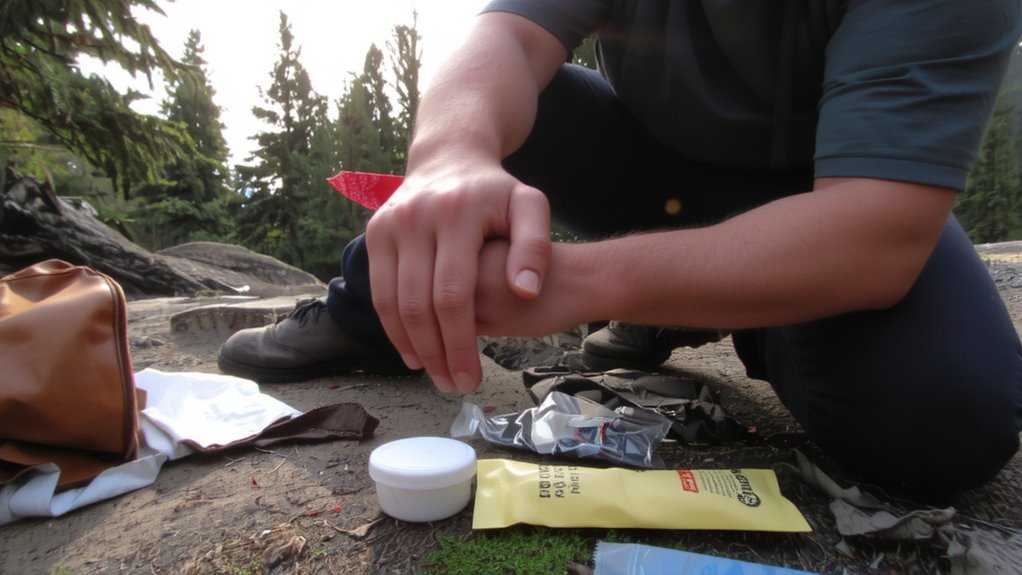
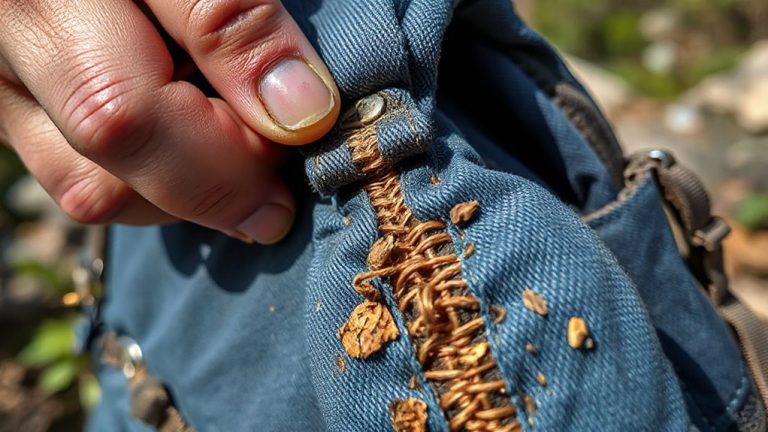
If you’re facing severe bleeding in the wilderness, your first move is to act fast with whatever’s available-commercial tourniquets work best, but a sturdy bandana and a stick can do the job if you tighten it enough. An improvised tourniquet should be at least 2 inches wide to avoid tissue damage and placed 2–3 inches above the wound. Twist the stick until the bleeding stops, then secure it. Direct pressure on pressure points like the brachial or femoral artery can help control flow if a tourniquet isn’t possible.
| Method | Effectiveness |
|---|---|
| Commercial tourniquet | High |
| Improvised tourniquet | Moderate |
| Pressure points | Low to moderate |
Check circulation beyond the injury. Reassess every 10 minutes. An improvised tourniquet isn’t as reliable, but it can save a life when nothing else is available.
When to Demand Emergency Evacuation
You’ve stopped the bleeding, maybe with a commercial tourniquet or a sturdy bandana and stick, but that’s only the first hurdle. Now you must decide: does this person need emergency evacuation? Yes, if they show signs of shock-pale skin, rapid pulse, confusion-despite controlled bleeding. Unresponsiveness or difficulty breathing also demands immediate evacuation. Heat exposure becomes critical when someone stops sweating, vomits, or cramps severely; cooling may not be enough once neurological symptoms appear. With altitude sickness, confusion, ataxia, or worsening headache means descent isn’t optional-it’s urgent. You can’t treat cerebral or pulmonary edema in the backcountry. Delay increases risk of fatality. Evacuate if essential signs deteriorate or mental status changes. Don’t wait. Carry means matter less than timing. A delayed rescue can turn survivable injuries or conditions into preventable deaths. Know the signs. Act fast.
How to Keep Someone Stable Until Help Arrives
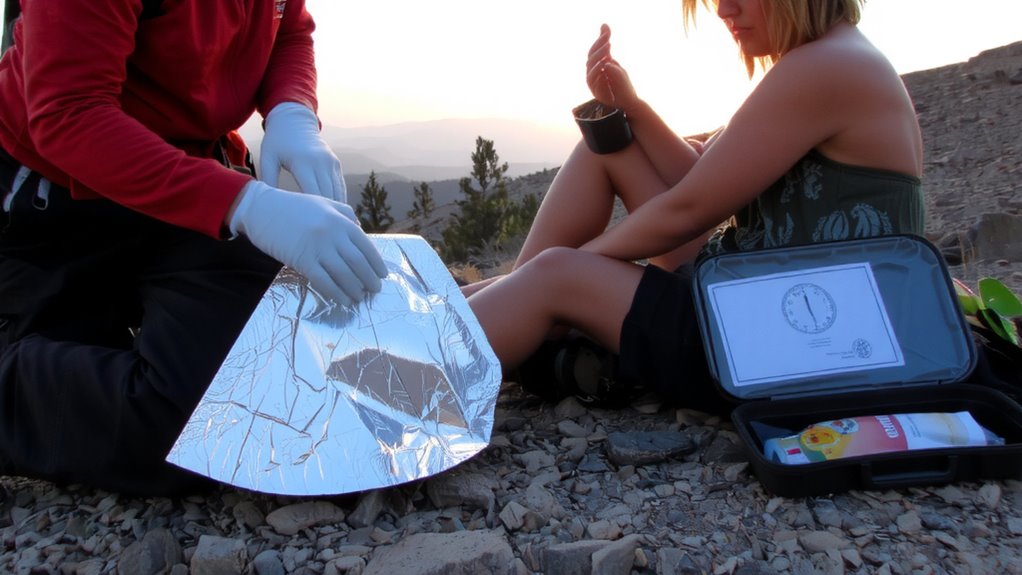
Keep the injured person warm, but not hot-hypothermia can set in quickly even on mild days, especially if they’re wet, tired, or in shock. To maintain body temperature, use insulating layers and a vapor barrier, like a space blanket or dry ground pad. Avoid direct heat sources that could burn. Position them sheltered from wind and ground moisture. You must monitor mental status every 15–30 minutes; confusion or drowsiness can signal shock or hypoperfusion.
| Action | Frequency | Reason |
|---|---|---|
| Check responsiveness | Every 15 min | Early detection of decline |
| Assess skin color | Every 30 min | Indicates circulation |
| Re-evaluate warmth | Ongoing | Prevents heat loss |
Stay calm, speak clearly, and prepare for evacuation. Your steady actions matter more than advanced tools.
On a final note
You need to act fast when circulation fails. Recognize shock early-pale skin, weak pulse, rapid breathing-and control bleeding with direct pressure or a tourniquet if needed. Improvise materials, but guarantee they’re tight and effective. Monitor critical signs every 10 minutes. Evacuate immediately if symptoms worsen or don’t improve. Stay calm, keep the person warm, and minimize movement. Your actions directly impact survival.