The Importance of Shelter-in-Place Strategies During Chemical Spills and Leaks
You stay safer indoors during a chemical spill because sealed rooms cut exposure faster than evacuating through contaminated air. Shelter-in-place works when you act quickly, seal windows and doors with plastic and tape, and turn off HVAC systems. It’s meant for short durations-usually a few hours-until officials confirm it’s safe. Having water, a radio, and N95 masks on hand makes the wait more manageable. Your best move is following official alerts, not guessing. Smart prep means you won’t waste time deciding what to do when seconds count.
Notable Insights
- Shelter-in-place prevents exposure by keeping people indoors during chemical spills when outdoor air is hazardous.
- Staying inside is often safer than evacuating through areas with contaminated air or uncertain escape routes.
- Sealing windows, doors, and vents reduces chemical infiltration, maintaining cleaner indoor air quality.
- Proper preparation with emergency supplies and sealed rooms enhances safety during short-term chemical incidents.
- Waiting for an official all-clear ensures safe exit only after air quality is tested and risks are resolved.
What Shelter-in-Place Means in a Chemical Emergency
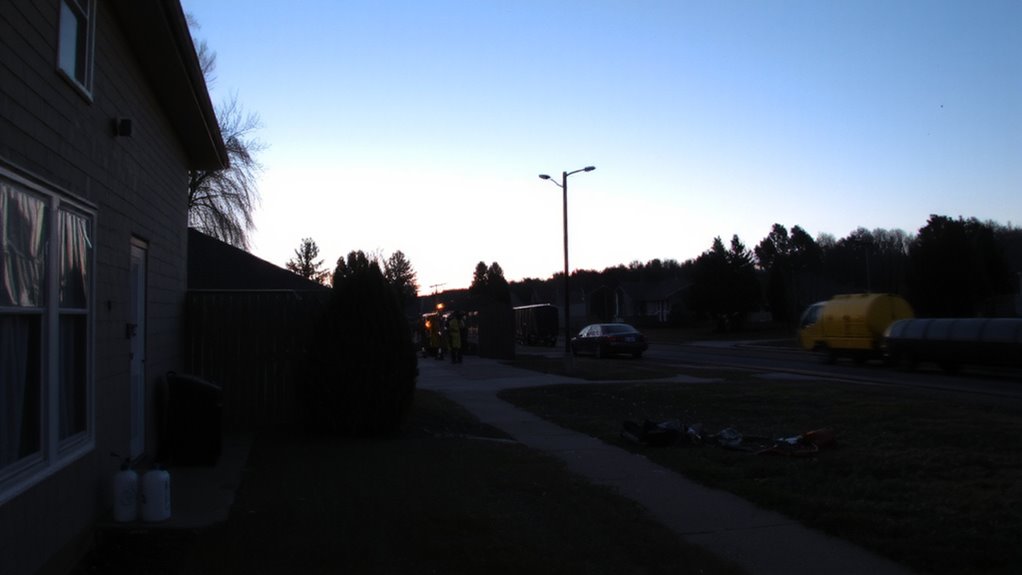
When a chemical spill occurs nearby, sheltering in place means staying indoors to avoid exposure, and it’s often safer than trying to evacuate through contaminated air. You’re told to seal windows, doors, and vents to limit chemical exposure and protect yourself until officials say it’s safe. This isn’t just hiding out-it’s following strict emergency protocols designed to keep indoor air cleaner than outside air during a release. You’ll typically stay put for a few hours, though some situations may extend that. Success depends on building integrity, speed of response, and accurate information from authorities. While not perfect, sheltering reduces risks more than fleeing on foot or by car through a hazard zone. It works best when combined with clear communication and practiced procedures. You don’t need special gear-just quick action, sealed rooms, and reliable instructions.
When to Shelter-in-Place During a Chemical Spill?
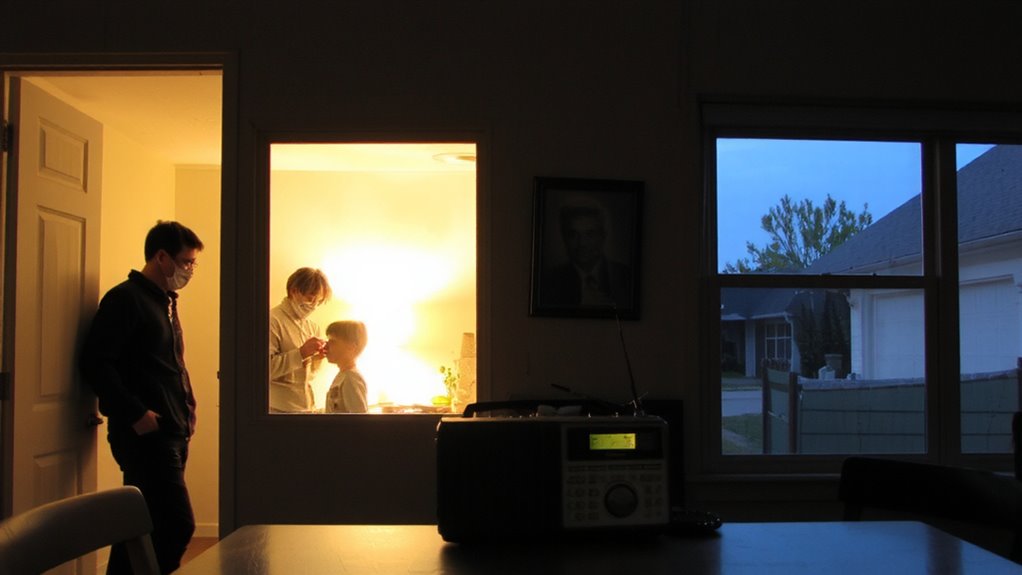
How do you know when to stay put during a chemical spill? You act when authorities issue emergency signals-like sirens, texts, or radio alerts-indicating hazardous materials are nearby. Don’t wait for symptoms; immediate sheltering reduces exposure. A quick risk assessment helps: if you can’t evacuate safely or don’t know the chemical’s behavior, staying indoors is often safer.
| Condition | Action |
|---|---|
| Outdoor smell of chemicals | Go inside immediately |
| Local siren activation | Begin sheltering |
| Official “shelter-in-place” alert | Seal room, close vents |
| Uncertain evacuation route | Stay and secure shelter |
You’re safer sealed in than moving through contaminated zones. Emergency signals exist for a reason-respond fast. Risk assessment isn’t guesswork; it’s relying on trained experts’ warnings. If signals sound or alerts arrive, shelter now. Delaying cuts your margin for safety. Including a well-stocked winter survival kit can support your safety during extended shelter-in-place scenarios.
Stock Up: Supplies for a Chemical Shelter-in-Place
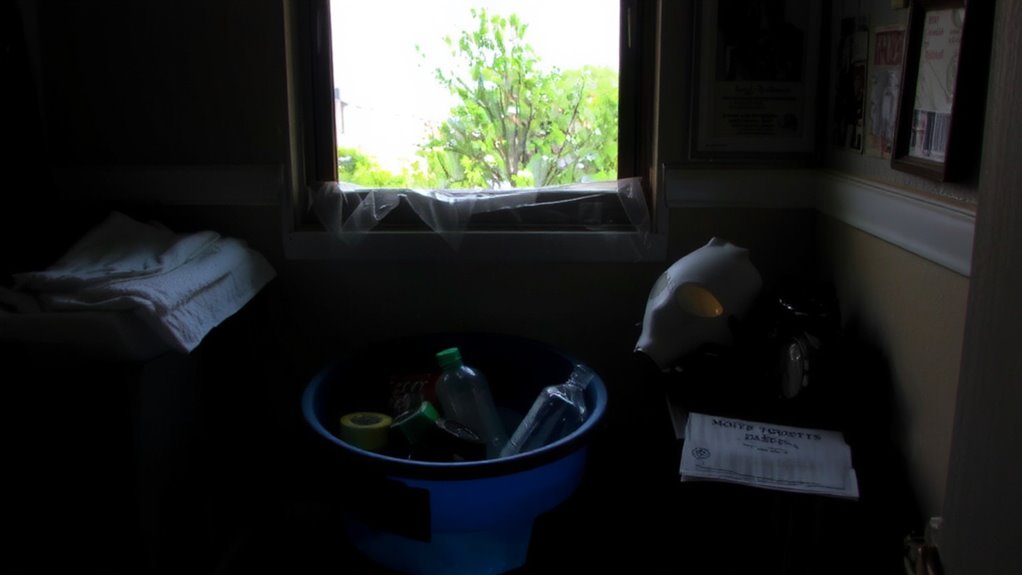
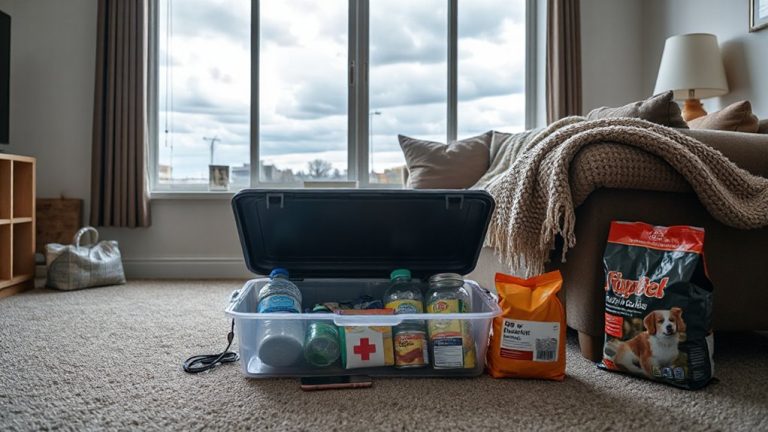
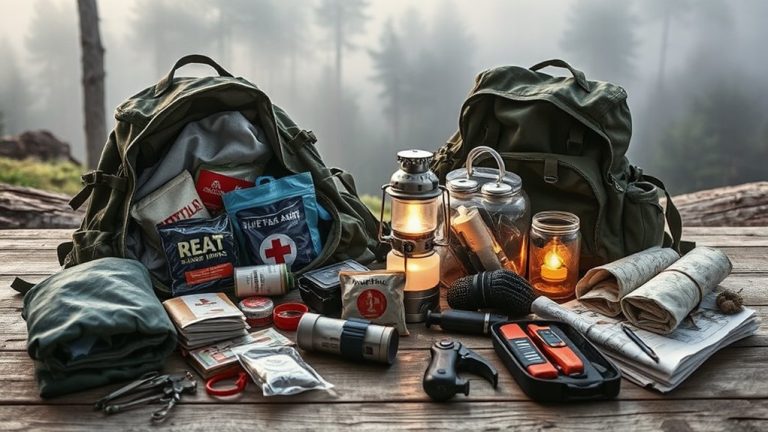
You’ve already decided to shelter in place based on official alerts or environmental cues-now it’s time to make certain you can stay protected indoors for at least 12 to 24 hours. Stocking effective emergency kits is essential. Use a detailed supply checklist to include water (one gallon per person per day), non-perishable food, a hand-crank or battery-powered radio, and a flashlight. Include medications, first aid supplies, and N95 respirators to reduce inhalation risks. Battery-powered or hand-crank air quality monitors help detect changes. Don’t forget plastic sheeting and duct tape for sealing gaps, though their effectiveness depends on proper application. Emergency kits should be stored in accessible locations and checked every six months. A clear supply checklist makes certain nothing’s missed. Most fatalities in chemical events occur due to preparation gaps-not exposure itself. Practical readiness beats improvisation every time.
How to Prepare Your Home for a Chemical Spill
If you’re planning to shelter in place during a chemical spill, sealing your home properly is critical-airborne contaminants can enter through small gaps, so focus on rooms with minimal windows and doors, preferably above ground to avoid heavier-than-air vapors. Upgrade your home security with weatherstripping and door sweeps to reduce infiltration. Confirm all windows and doors lock securely-compromised seals lower protection. Perform a utility shutdown promptly: turn off HVAC systems, close dampers, and unplug non-essential electronics to prevent vapor intake or ignition. Know the location of gas, water, and electrical cutoffs for fast response. Test these systems annually to verify they function under stress. Sealing without shutting down utilities increases exposure risk. Home security isn’t just about intruders-it includes environmental threats. A well-maintained structure with accessible shutoffs improves survivability. Preparation takes minutes but greatly impacts safety during fast-moving chemical events.
How to Seal a Room From Dangerous Fumes
When sealing a room against dangerous fumes, start by choosing an interior space with few or no windows and only one door, since fewer entry points mean fewer leaks to manage. Close all doors and windows immediately. Use plastic sheeting and duct tape to create vapor barriers over openings-tape edges securely to prevent gaps. Focus on air sealing around door frames, vents, and electrical outlets, as these are common infiltration points. A damp towel at the base of the door helps block fumes, but it’s not a substitute for proper vapor barriers. Standard 4-mil plastic sheeting performs adequately, though heavier 6-mil offers better durability. Tape must adhere to clean, dry surfaces; otherwise, air sealing fails. Avoid relying on improvised materials like bed sheets-they lack chemical resistance. Effective sealing requires speed and precision. Every unsealed gap reduces protection.
How Long to Wait After a Chemical Spill
How long should you stay put after a chemical spill? You’ll need to wait until authorities confirm it’s safe, which depends on evacuation protocols and air quality testing. These protocols determine response timelines and whether shelter-in-place remains the best option. Air quality testing measures chemical concentrations outdoors and in buildings, guaranteeing levels are within safe limits before lifting alerts. You won’t get a one-size-fits-all time-some incidents require minutes, others several hours. Emergency systems monitor dispersion rates, wind direction, and toxicity, adjusting guidance accordingly. Rely on official updates via radio, TV, or emergency alerts, not guesses. Leaving too soon risks exposure, even if the air seems clear. Staying informed and following directives guarantees your sheltering remains effective. Don’t assume silence means safety-only official clearance does.
How to Leave Shelter Safely After the All-Clear
What comes after the all-clear? You can leave shelter, but not carelessly. Wait for official confirmation-don’t assume it’s safe just because the air seems clear. Authorities conduct safety verification before issuing the all-clear, ensuring airborne chemical levels are within acceptable limits. Once approved, open windows to ventilate your space for at least 15 minutes before exiting. Check local updates for any lingering risks or instructions. A post evacuation assessment may be underway-avoid restricted zones. Wear gloves and a mask if residue is suspected. Clean exposed surfaces with soapy water. Don’t touch your eyes, nose, or mouth until you’ve washed your hands. Listen for follow-up guidance on water or food safety. Leaving shelter isn’t the end-it’s part of the process. Your caution still matters. Move deliberately, not quickly. Safety depends on it.
On a final note
You’ll need to act fast when a chemical spill hits, and sheltering in place works-if you do it right. A sealed room with plastic and tape can block fumes for a few hours, but only if windows, doors, and vents are fully covered. Have water, a radio, and extra masks ready; you might not get help for 12 hours. No seal lasts forever, and poor prep cuts survival time.