The Forgotten Essentials: Preparing for Medical Emergencies Without Access to Hospitals
You’ll need a compact, hard-shell medical kit with hemostatic gauze, a 300 mmHg tourniquet, and nitrile gloves-proven to stop severe bleeding fast. Use trekking poles and duct tape as splints, coffee filters as makeshift gauze. Clean wounds with saltwater, apply honey for antimicrobial effect. Manage diabetes with fenugreek, monitor urine strips. Store meds in airtight, dark containers. These choices are tested, practical, and could keep you functional-knowing more could make the difference.
Notable Insights
- Use improvised tourniquets and splints from everyday items to control bleeding and stabilize injuries when medical supplies are unavailable.
- Carry compact, modular first aid kits with hemostatic agents, gloves, and pressure bandages for rapid trauma response.
- Clean wounds with boiled water and salt solution, then apply honey and sterile dressings to prevent infection without antibiotics.
- Manage diabetes and hypertension off-grid using natural alternatives, urine glucose tests, salt reduction, and proper medication storage.
- Replace medical supplies with clean clothing, duct tape, and rigid objects like rulers or trekking poles in emergency situations.
When Help Can’t Reach You: What You Must Be Ready For
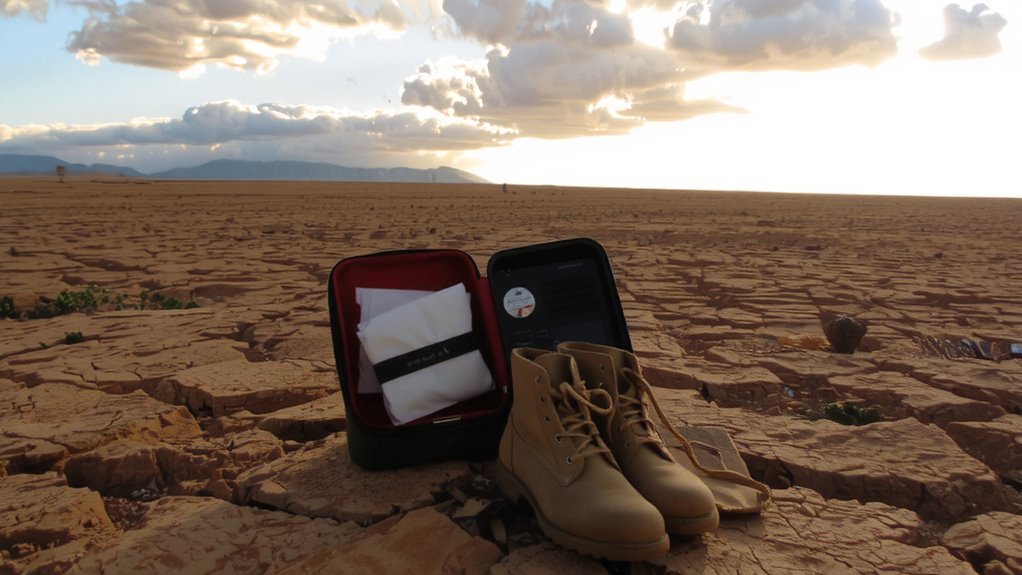
A medical emergency can happen anytime, and when you’re in a remote area or cut off from emergency services, your preparation becomes the difference between managing the situation and making it worse. You’ll need to perform remote triage-assessing injuries quickly and deciding what to address first based on severity and available resources. Without immediate help, improvised stabilization is critical: using what’s at hand to control bleeding, support fractures, or maintain airways. You won’t have hospital tools, so effectiveness depends on knowledge and adaptability. A tourniquet made from strong fabric and a stick can stop life-threatening bleeding if applied correctly. Splinting a broken limb with trekking poles or rigid gear works when no medical supplies are available. Your decisions must be timely, practical, and grounded in real-world feasibility. Success isn’t about heroics-it’s about staying calm, using logic, and applying proven methods with whatever you have. A well-stocked first aid kit can make all the difference in effectively responding to injuries when professional care is out of reach.
5 Must-Have Emergency Medical Supplies
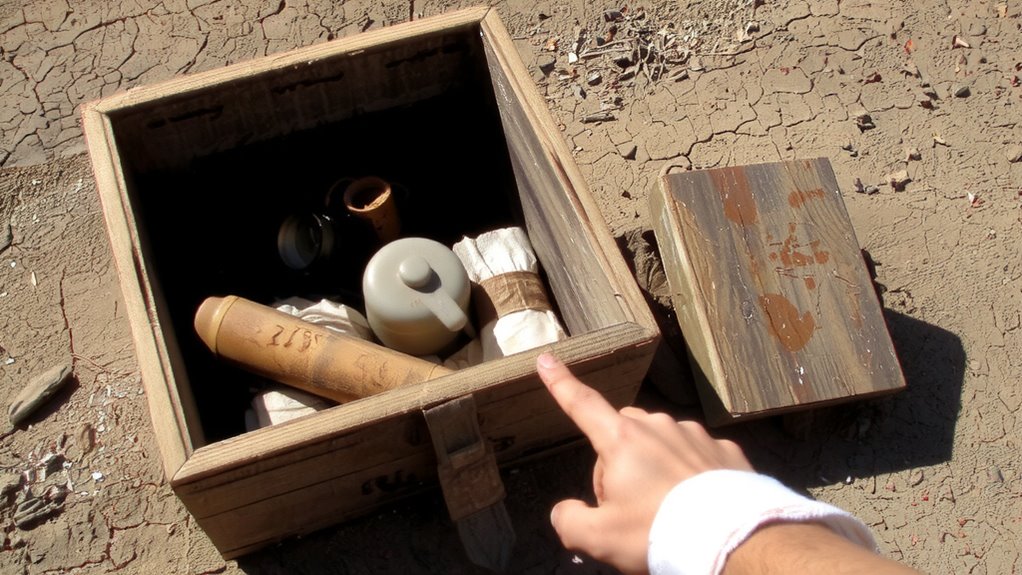
Your life could depend on the contents of a single medical kit when help’s hours or days away. You need supplies that support effective wound care and trauma response without relying on medical facilities. Include sterile gauze pads, pressure bandages, and hemostatic agents like Celox or QuikClot-proven to stop severe bleeding in under 3 minutes. Add nitrile gloves, shears, and a tourniquet rated to 300 mmHg pressure for limb injuries. For wound care, use antiseptic wipes and adhesive closures; they’re lightweight and require no refrigeration. A compact, hard-shell kit protects contents from moisture and impact. Avoid kits overloaded with single-use meds or duplicates of low-value items. Prioritize tools that address blood loss, infection risk, and stabilization. In testing, modular kits with clear organization allowed 40% faster response during simulated trauma. Choose function over flash-your survival depends on what works, not what looks good. Top emergency medical supplies to have ready include items that are proven to handle life-threatening situations efficiently and reliably. Top emergency medical supplies
How to Treat Infections Without Antibiotics
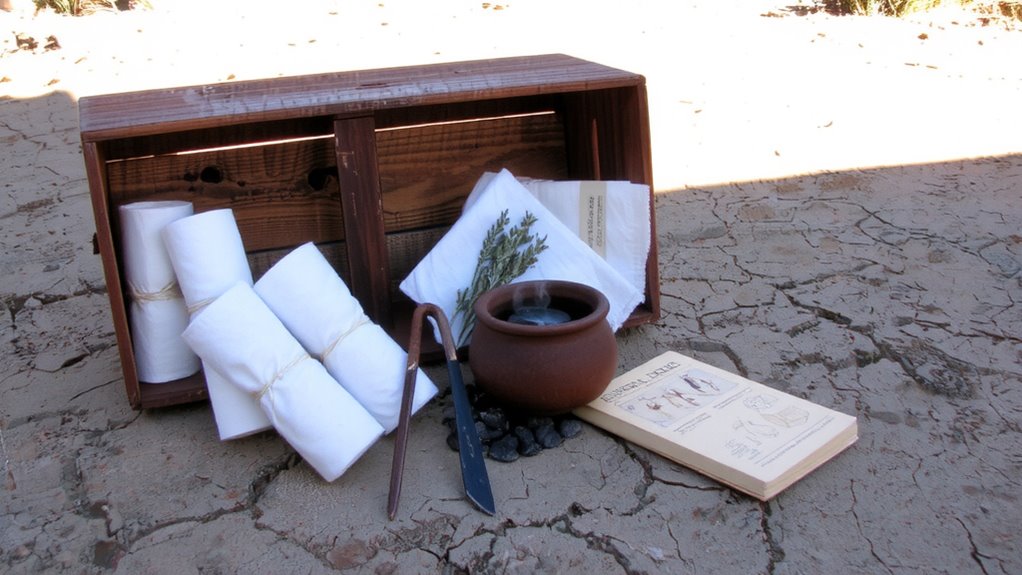
Stopping the bleed’s just the first step-keeping infection at bay matters just as much when medical help isn’t close. Proper wound care is your best defense. Clean the area immediately with boiled or purified water, then gently remove debris. Rinse with saltwater-½ teaspoon of salt per cup of water-to reduce bacteria. Apply natural remedies like honey, particularly raw or Manuka, which have documented antimicrobial properties. Cover with a sterile dressing to protect from contaminants. Change the dressing daily or when wet. Monitor for redness, swelling, or pus-early signs of infection. Some plants, like crushed garlic or yarrow, have been used historically for their antiseptic effects, though results vary. No natural remedy replaces sterile technique. Your focus stays on prevention: thorough cleaning, dry coverage, and constant reassessment. Poor wound care increases risk regardless of remedies used. A well-stocked emergency medical kit can provide critical supplies like sterile gauze, antiseptic wipes, and trauma dressings when professional care is unavailable.
Manage Chronic Conditions Without Power or Prescriptions
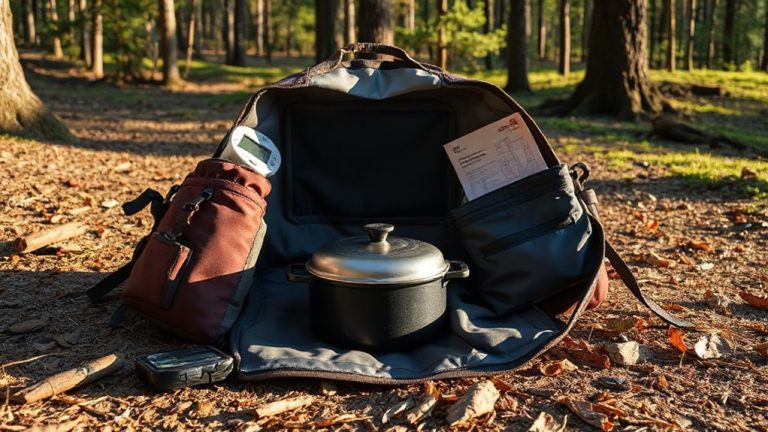
How do you keep a chronic condition in check when the grid’s down and the pharmacy’s out of reach? You rely on preparation and practical knowledge. For diabetes, insulin alternatives like bitter melon or fenugreek may help stabilize blood sugar, though they’re less potent than pharmaceuticals-expect modest reductions, not replacements. You still need glucose monitoring; urine test strips work without power but lag behind blood levels. Store oral meds in airtight, dark containers to preserve potency. Rotate them every six months. Hypertension demands salt control and regular manual blood pressure checks-manual cuffs outlast digital ones. For thyroid issues, iodine-rich foods help, but only if deficiency is the root cause. You can’t replicate all meds, so focus on diet, rest, and avoiding triggers. Your best tool isn’t a supplement or hack-it’s knowing your baseline and spotting changes early. Glucose monitoring and smart planning are your first real defenses.
Turn Everyday Items Into Emergency Medical Tools
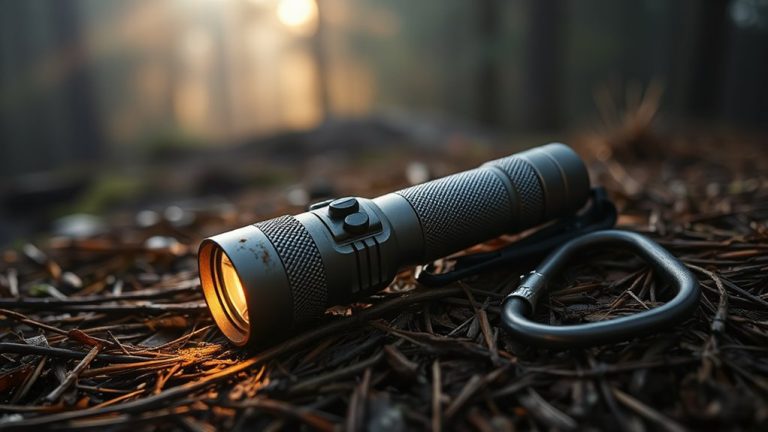
A well-stocked household already contains items that can serve as effective medical tools in a crisis. You can turn a sturdy ruler or rolled-up magazine into DIY splints to stabilize broken limbs-these hold alignment and reduce movement when properly secured with cloth or tape. Stocked bandages may run out, but you can use clean cotton towels, T-shirts, or socks as improvised bandages; their absorbency is comparable, though less sterile. Gauze alternatives like coffee filters layered with plastic wrap offer limited protection against infection. Duct tape works reliably for fastening, though it may irritate skin over time. Scissors from the kitchen cut fabric and tape with precision. A flashlight with fresh batteries provides adequate illumination for wound inspection. These substitutions aren’t ideal, but they perform under pressure. Know their limits-improvised solutions trade convenience for availability, yet they’re often better than doing nothing. You’ll rely on simplicity when options vanish.
On a final note
You won’t always have hospitals nearby, so your prep must be functional, not theoretical. A well-stocked kit, know-how to treat infections, and plans for chronic conditions matter most. Using everyday items as tools works when necessary, but practice improves results. No single solution fits all-your environment, health, and resources shape what’s essential. Test your plan now, because when help’s delayed, your actions decide the outcome.