Creating a Bug-Out Plan That Includes Emergency Weather-Resistant Clothing
You need waterproof, windproof layers like Gore-Tex jackets with taped seams and adjustable hoods to stay dry and maintain core temperature. Pair them with breathable base and mid-layers that wick moisture-avoid cotton. Choose all-terrain boots with 4–6mm deep lugs and sticky rubber outsoles for traction on mud or snow. Store gear in sealed dry sacks inside rugged duffels, check quarterly, and plan evacuation routes based on local weather risks. There’s more to keeping your kit mission-ready when it counts.
Notable Insights
- Choose waterproof, windproof outer layers with breathable membranes like Gore-Tex to maintain core temperature in storms.
- Layer clothing using moisture-wicking base layers, insulating mid-layers, and ventilated outer shells for thermal regulation.
- Select all-terrain boots with deep lugs, sticky rubber outsoles, and waterproof linings for traction and dry feet.
- Plan evacuation routes based on weather threats, using high ground for floods and plowed roads in snow.
- Store bug-out clothing in waterproof, puncture-resistant containers with humidity control and inspect every three months.
Choose Bug-Out Clothing That Blocks Wind and Rain
When selecting outer layers for your bug-out gear, start by prioritizing waterproof and wind游戏副本 proof protection-because staying dry and maintaining core temperature directly impacts endurance and safety in harsh weather. You need reliable waterproof jackets that use durable face fabrics and breathable membranes like Gore-Tex or eVent to keep rain out while reducing internal condensation. Look for taped seams and adjustable hoods for full coverage. Windproof pants made from tightly woven, coated nylon or polyester block cold gusts and resist abrasion from brush or terrain. They should fit comfortably over mid-layers without restricting movement. Together, waterproof jackets and windproof pants create a balanced shell system that performs in storms and high winds. Avoid cheaper coated garments that peel or delaminate after limited use. Real-world testing shows that consistent seam sealing and quality zippers directly affect long-term reliability. Prioritize function-tested gear over marketing claims. For extreme cold, consider layering with one of the best tactical winter jackets tested for durability and weather resistance.
Wear Layers That Handle Extreme Temperature Swings
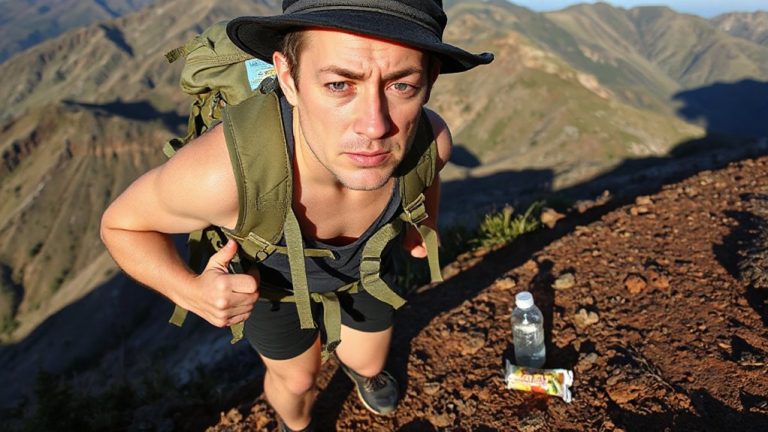
You’ve already locked in protection from wind and rain, but staying safe in the field means handling more than just storms-temperature swings can hit hard, day to night, especially at elevation or in exposed terrain. Layering gives you control over thermal regulation, letting you add or shed clothing as conditions change. Start with a base layer that prioritizes moisture management-merino wool or synthetic fabrics work, each offering trade-offs in odor resistance and drying speed. Add an insulating mid-layer like fleece or lightweight down; both trap heat, but down loses effectiveness when wet. Outer layers should allow ventilation to prevent overheating. Avoid cotton-it retains moisture and hampers thermal regulation. Proper layering reduces fatigue and maintains core temperature. Adjust early, before you’re too hot or cold, to keep moisture management and thermal regulation working for you, not against you.
Pick All-Terrain Boots for Mud, Snow, and Water
Even if your layers handle moisture and temperature shifts well, your bug-out plan can still fail if your boots aren’t up to the terrain. You need all-terrain boots that deliver reliable boot traction and mud resistance in real conditions. Don’t trust tread design alone-look for deep lugs (4–6mm) and sticky rubber compounds proven in wet clay, snow, and shallow water. Waterproof membranes like Gore-Tex help, but only if paired with durable uppers that resist abrasion and gunk buildup. Top waterproof tactical boots are engineered to meet these demands in extreme environments.
| Feature | Why It Matters |
|---|---|
| Deep lugs | Improves boot traction on slippery slopes |
| Rubber outsole | Lasts longer than EVA in rocky terrain |
| Waterproof lining | Keeps feet dry without trapping sweat |
| Reinforced heel | Adds stability on uneven ground |
| Mud resistance | Prevents caking that adds weight and slip risk |
Prioritize function over brand-test boots on inclines and muddy patches before relying on them.
Build a Weather-Based Evacuation Plan Now
If you’re waiting for the storm to start before deciding which route to take, you’ve already lost time you can’t afford. You need evacuation routes mapped now, based on likely weather threats in your area. Flood zones demand high-ground alternatives; snowstorms mean prioritizing plowed roads. Update these routes every season and test them under real conditions. Don’t rely on GPS alone-carry printed maps and mark alternate paths in case roads close. Pair routes with emergency signals: three flashes or whistle blasts signal distress universally. Practice signaling with a mirror or radio so it’s automatic under stress. Weather shifts fast, and delayed decisions cut your margin for error. A plan built on predictable weather patterns, tested routes, and reliable signals increases your odds. No system is perfect, but preparation reduces uncertainty. Know your exits, signal method, and conditions that trigger each route. That’s how you stay ahead.
Keep Your Emergency Clothes Dry and Ready to Go
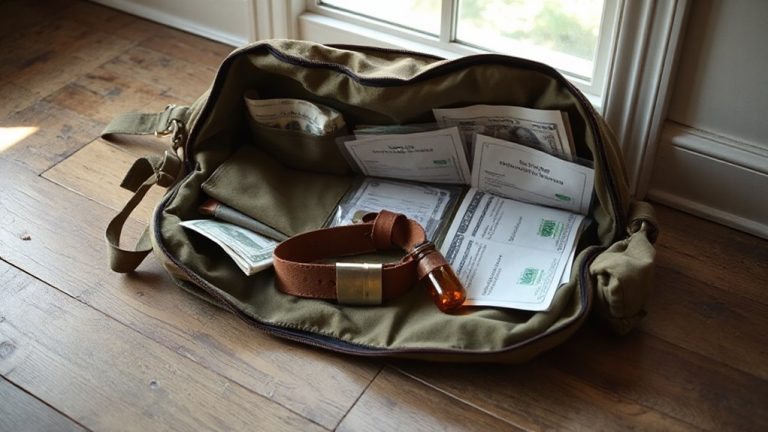
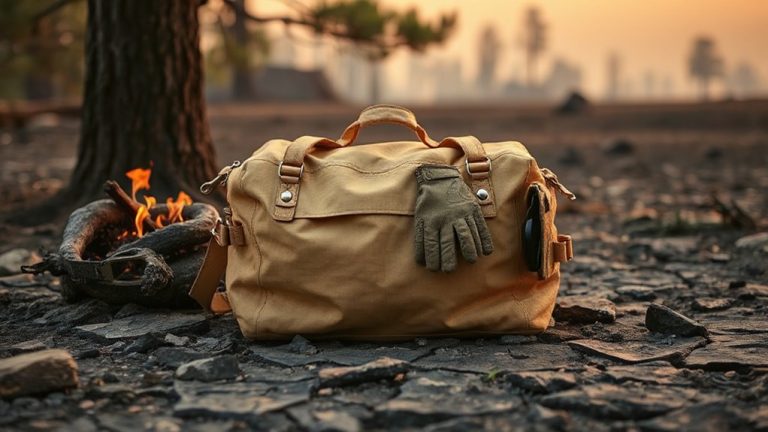
A waterproof duffel with a roll-top closure keeps your emergency clothes dry in downpours and high water, and it’s a reliable choice over zippered bags that can leak at the seams. You need durable storage solutions that seal out moisture, like dry sacks or vacuum-sealed bags, especially in humid or wet climates. Place these inside a rigid container if storing long-term to prevent punctures. Regular clothing maintenance means checking for mildew, wear, or dampness every three months. Rotate items if you’re using natural fibers, which degrade faster when stored. Synthetic layers handle storage better but still require dry conditions. Use silica packs to manage humidity. Avoid vacuuming wool-it loses loft. Keep boots aired and clean. Your clothing’s readiness depends on consistent care and smart storage solutions. If it’s not dry and accessible, it’s not emergency-ready. A collapsible duffel bag with wheels offers portability and compact storage when not in use, making it ideal for quick evacuations.
On a final note
You need clothing that blocks wind and rain without adding bulk-tested shells with waterproof ratings above 10,000mm work reliably. Layer wisely: moisture-wicking base, insulation that retains heat when wet, and breathable mid-layers prevent overheating. Boots must drain, grip slick terrain, and support ankles-real-world trials show deep lugs outperform on mud and snow. Store gear in sealed, labeled packs to keep it dry and accessible. Your plan fails if clothes aren’t ready when seconds count.