Recognizing Signs of Diabetic Hypoglycemia in Confused Hikers
You’ll notice shakiness, sudden fatigue, or sweating in cool weather-early signs of hypoglycemia even without strenuous climbing. Confusion comes fast, often within minutes, unlike altitude sickness that builds over hours. Check blood sugar if symptoms appear; treat with 15g fast-acting carbs like glucose tablets. Don’t rely on candy alone-it may be too slow. Acting early prevents escalation. Carry tested supplies and know the difference-your response could save a life within minutes. More details follow on how to manage and prevent these risks effectively.
Notable Insights
- Sudden confusion in hikers may signal diabetic hypoglycemia, especially if accompanied by shakiness or sweating.
- Check blood glucose immediately when confusion occurs, as hypoglycemia can mimic altitude sickness.
- Hypoglycemia causes rapid onset symptoms like paleness, tremors, and fast heart rate, unlike gradual altitude sickness.
- Administer 15g of fast-acting carbs if the hiker is conscious and able to swallow.
- Use a glucagon kit and seek emergency help if confusion worsens or the person becomes unresponsive.
Why Hiking Raises Low Blood Sugar Risk
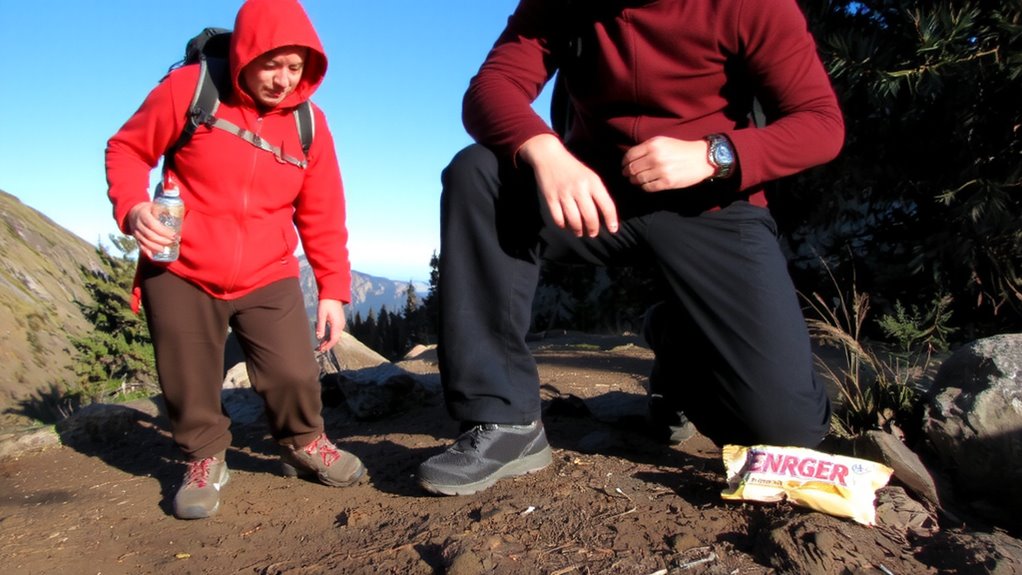
While hiking burns more energy than walking on flat ground, you’re at greater risk of low blood sugar simply because your muscles use glucose continuously, especially at higher altitudes or longer durations. Your body experiences increased insulin sensitivity during exercise, meaning cells absorb glucose more efficiently-even without insulin. This effect persists for hours post-hike, raising hypoglycemia risk. Prolonged physical exertion compounds this, depleting glycogen stores faster than they’re replenished. You may not notice symptoms immediately, particularly if exertion is steady and moderate. Altitude adds strain, increasing basal metabolic rate by 10–25%. You’ll need more carbohydrates than usual-roughly 30–60g per hour, depending on intensity and duration. Relying on standard meal plans or pre-hike insulin doses without adjustment increases danger. Monitor glucose every 1–2 hours, especially in remote terrain. Prevention depends on planning, not luck. Adjust snacks, dosage, and pace accordingly.
Early Signs of Hypoglycemia on the Trail
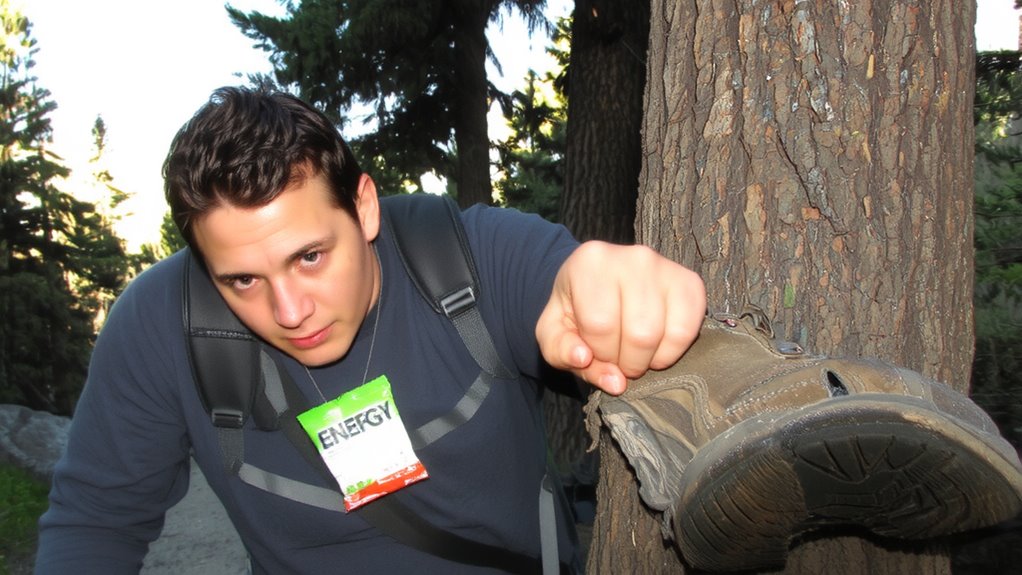
Watch for trembling hands, sudden fatigue, or a racing heart-these are your first clues. If you’re diabetic, these symptoms mean your blood sugar is dropping, especially under physical strain on the trail. Trembling hands may make it hard to adjust your backpack or handle gear. You might also notice sweating palms, even in cool weather-a classic sign your body is releasing stress hormones in response to low glucose. Don’t ignore mild confusion or irritability; they often follow these early warnings. You won’t always feel extreme hunger or dizziness right away. Check your glucose monitor if possible. Acting early gives you time to consume fast-acting carbs, like glucose tablets or juice, before symptoms worsen. Waiting increases the risk of disorientation or collapse. Knowing these signs-trembling hands, sweating palms, fatigue-helps you respond fast and safely continue your hike.
Low Blood Sugar vs. Altitude Sickness: Key Differences
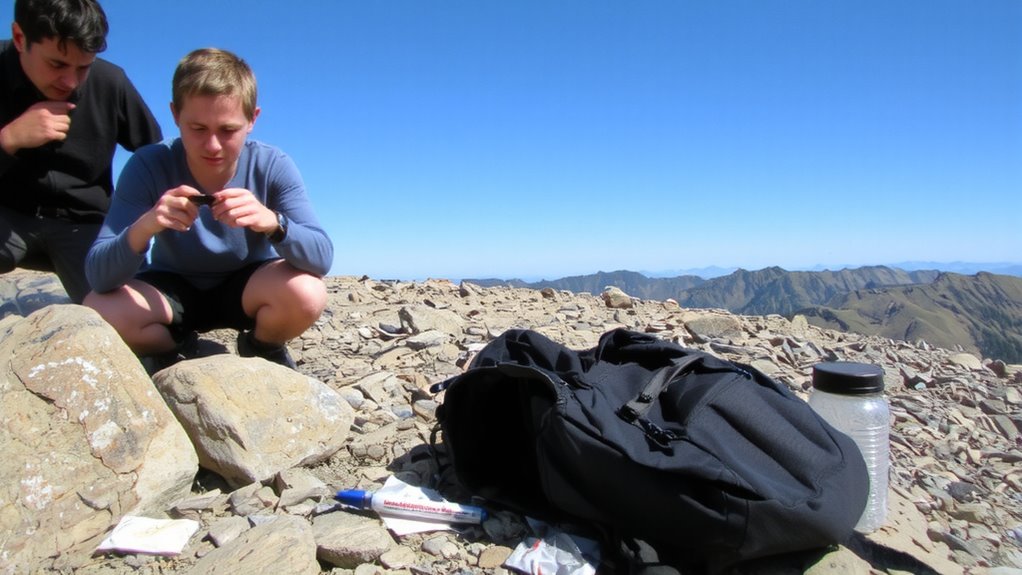
You might feel shaky or fatigued on the trail for more than one reason, and mixing up low blood sugar with altitude sickness can slow your response time. Low blood sugar strikes fast, often with sudden weakness, sweating, or trembling, while altitude sickness usually builds over hours or days at elevation. Neurological symptoms like dizziness or blurred vision occur in both, but with hypoglycemia, they appear more abruptly. Cognitive impairment is common to each-confusion, poor judgment-but low blood sugar causes it sooner and more intensely. Altitude sickness often includes a headache, nausea, and shortness of breath, which aren’t primary signs of hypoglycemia. Checking recent food intake, insulin use, and symptom onset helps differentiate. A quick glucose test clarifies. Relying only on symptoms without confirmation risks misdiagnosis. Know the patterns: speed of onset, associated signs, and context. That clarity saves time and keeps hikers safer.
What to Do If a Hiker Has Low Blood Sugar
What happens when a hiker starts acting confused, shaky, or pale an hour after the last snack? You should suspect low blood sugar and act fast. Begin with glucose monitoring to confirm. If the person can swallow, give 15 grams of fast-acting carbs immediately.
| Symptom | Action |
|---|---|
| Confusion | Administer glucose tabs |
| Shakiness | Use fruit juice |
| Pale skin | Offer regular soda |
| Weakness | Check response in 15 min |
If there’s no improvement, treat it as an emergency response situation. Repeat carbs if needed, but call for help if symptoms persist or worsen. Never leave the person alone. Carry a glucagon kit if the hiker uses insulin-it’s reliable in severe cases. Speed matters, and timely action prevents collapse or injury on the trail.
How to Prevent Hypoglycemia on Hiking Trips
A quick response to low blood sugar keeps hikers safe, but avoiding the drop in the first place is far more effective. You should check your blood glucose before starting a hike and every two hours during activity. Hydration management matters-dehydration can mimic or worsen hypoglycemia symptoms, so drink water consistently, aiming for 500 mL per hour in moderate conditions. Avoid sugary drinks unless treating a low. Plan snack timing every 30 to 45 minutes during sustained effort, choosing balanced options like nuts with dried fruit or a granola bar with 15–20 g carbs. These provide steady fuel without sharp spikes. Insulin users should consider reducing basal rates during long descents or high-exertion segments. Wear a medical ID and carry fast-acting glucose tabs, not just candy. Prevention relies on routine, preparation, and real-time adjustments based on terrain and energy output.
On a final note
You need fast-acting sugar if confusion points to low blood sugar-it works in minutes. Don’t wait; give 15 grams of glucose, then recheck in 15 minutes. Prevention beats treatment: pack snacks with 30–60 grams of carbs per hour of hiking. Test blood sugar before and during long trails. Carrying a glucagon kit helps when oral intake fails. Know the signs, act fast, and stay prepared-your response time matters more than gear.