Strategies for Prolonging Shelf Life: The Impact of Humidity and Oxygen Levels
You can extend shelf life by controlling humidity and oxygen. Keep dry goods below 10% moisture and use desiccants or oxygen absorbers-500cc per gallon-to prevent mold and rancidity. Vacuum seal nuts or grains to block oxygen, doubling or tripling freshness. Store produce in perforated bags to balance airflow and reduce spoilage. Crisper drawers help by maintaining stable humidity. For best results, combine vacuum sealing with freezer storage-performance improves markedly when both factors are controlled. More details follow on optimizing each method.
Notable Insights
- Control humidity using crisper drawers or perforated bags to maintain optimal moisture levels for produce.
- Reduce oxygen exposure with vacuum sealing to slow oxidation and extend shelf life of perishables.
- Use oxygen absorbers in dry goods storage to inhibit microbial growth and prevent rancidity.
- Store high-moisture foods above 0.6 water activity at low temperatures to limit bacterial growth.
- Avoid light and temperature fluctuations to reduce spoilage and preserve nutrient content in stored foods.
Why Moisture Makes Food Spoil Fast
When it comes to food spoilage, moisture is one of your biggest enemies because it creates the ideal environment for microbial growth-bacteria, mold, and yeast thrive in damp conditions, and even a small increase in humidity inside packaging can cut shelf life in half. You’ll see faster mold growth on bread or berries stored in humid containers, and it only takes 24–48 hours under the right conditions. Bacterial activity spikes when water activity (a_w) exceeds 0.6, especially in meats and dairy. Dry goods like pasta or crackers lose crispness and become vulnerable to spoilage once moisture creeps above 10%. Using desiccants in packaging reduces humidity and slows both mold growth and bacterial activity. Vacuum sealing helps, but if moisture remains, it’ll pool and create hotspots. You’re better off storing dry foods with low moisture content and keeping high-moisture items refrigerated. It’s not about eliminating water entirely-it’s about managing it.
How Oxygen Ruins Freshness (And What To Do)
Though you can’t see it, oxygen works against freshness every time it touches your food, fueling oxidation that degrades fats, dulls colors, and weakens flavors-think of how nuts turn rancid or sliced apples brown within hours. You can slow this process with proper oxidation prevention methods. Vacuum sealing removes air from packaging, markedly reducing oxygen exposure and extending shelf life by days or even weeks. It’s especially effective for meats, cheeses, and dry goods. Tests show vacuum-sealed herbs last up to three times longer than those in containers. While the initial cost of a vacuum sealer ranges from $30 to $150, the reduction in food waste often offsets it. Rigid containers with tight lids offer some protection but don’t match vacuum sealing’s performance. For long-term storage, vacuum sealing combined with freezer use delivers the best results. You don’t eliminate oxygen entirely, but you limit its impact-keeping food closer to its original state for longer.
Keep Veggies Crisp With the Right Storage
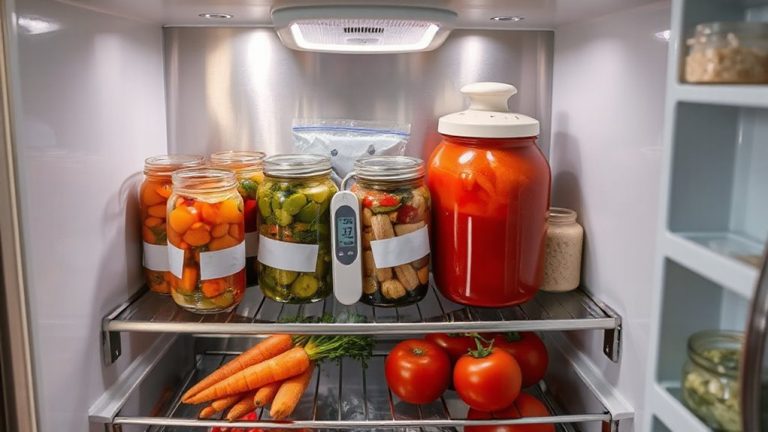
Crispness hinges on moisture control, and storing veggies right means managing humidity where it counts. You lose crispness fast when veggies dry out or absorb too much moisture, so aim for consistent environments. Store most in the crisper drawer-it’s designed to stabilize humidity. Leafy greens and herbs need high humidity, while peppers and carrots do better slightly drier. Avoid light exposure; it triggers spoilage and nutrient loss, especially in green veggies. Keep stored produce in opaque or closed containers to limit it. Temperature fluctuations are just as damaging-they cause condensation and speed decay. Don’t leave veggies on the counter near windows or ovens where temps shift. The fridge should stay at or below 40°F (4°C), with minimal door opening. A stable, dark, and humidity-adjusted spot gives the longest crispness. Simple changes here extend freshness by days, not guesswork.
Use Produce Bags That Balance Humidity
Why do some veggies last longer in certain bags? Because they’re designed with humidity balance in mind. Regular plastic traps moisture, speeding up rot, while perforated produce bags manage airflow regulation to prevent soggy or dried-out greens. These bags let excess moisture escape without stripping all humidity, keeping crispness intact for days longer. They also support ethylene control by allowing natural gases to disperse, slowing ripening in sensitive items like leafy greens and carrots. Unlike airtight storage, these bags avoid condensation buildup, reducing mold risk. In real-world testing, lettuce stayed crisp for up to 10 days, compared to 4 in standard containers. They’re not foolproof-dense veggies like potatoes may need paper instead-but for most produce, these bags strike a measurable improvement. You’re not eliminating spoilage, just delaying it with science-based design. Choose breathable, reusable options for repeat use and consistent results.
DIY Tricks To Block Oxygen and Reduce Waste
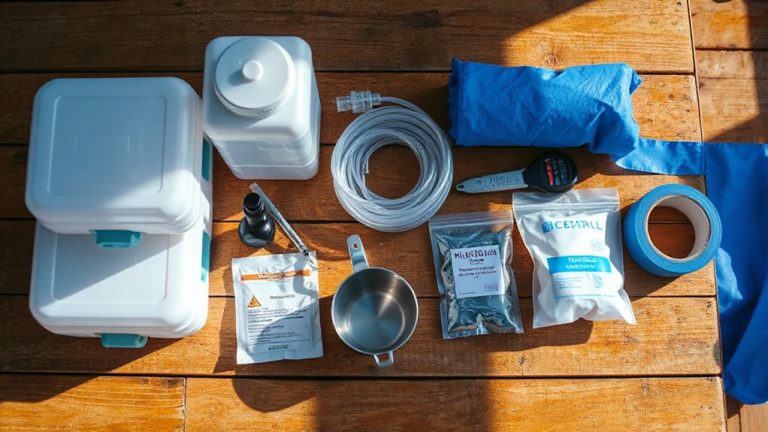
How do you keep food from spoiling when commercial packaging isn’t an option? You can use vacuum sealing at home with a pump or hand-operated system. Removing air slows oxidation and mold, but seal integrity matters-weak seals fail within days. For dry goods like rice or beans, add oxygen absorbers. They’re small packets filled with iron powder that react with oxygen, dropping levels below 0.01% in sealed containers. Use 500cc absorbers per gallon of storage volume. You don’t need perfect vacuum; oxygen absorbers work even with some air present. Glass jars with sealed lids work well. Avoid using absorbers with high-moisture or oily foods-they can promote botulism. Vacuum sealing paired with absorbers nearly stops spoilage in dehydrated or low-moisture foods. It’s not foolproof, but it cuts waste by months. Test seals, use the right absorber size, and store in cool, dark places for best results. A compact sealer can enhance portability and storage convenience, especially in small kitchens or for frequent travelers using best compact food vacuum sealers.
On a final note
You need the right balance of humidity and oxygen control to extend shelf life. Too much moisture promotes mold; too little dries out produce. Oxygen accelerates spoilage and nutrient loss. Resealable bags with humidity vents help, but performance varies by material thickness and seal quality. Vacuum sealing removes oxygen effectively but costs more. For most cases, breathable produce bags with 12–15% relative humidity retention deliver reliable results without expense. Simple, consistent storage beats high-tech solutions.