A Comprehensive Guide to Building a Personal Emergency Water Supply Kit
You need one gallon of water per person daily for drinking, cooking, and sanitation-store at least a 3-day supply, but aim for 7 days. Use BPA-free, opaque containers made from food-grade HDPE plastic (#2 resin) to block light and prevent algae. Fill to the top, seal tightly, and label with the date. Rotate every 6 months, cleaning containers before refilling. If supplies run low, purify water by boiling for 1 minute or filtering through a 0.1–1 micron filter with activated carbon. Know how each method performs under stress-boiling kills germs but won’t remove sediment, while filters improve taste but vary in pathogen removal. Practical choices depend on your environment, container durability, and water quality risks. Next steps clarify which filters handle viruses and when chemical treatments add value.
Notable Insights
- Store at least one gallon of water per person per day for drinking, cooking, and sanitation.
- Use FDA-compliant, BPA-free containers like #2 HDPE plastic or NSF 6.1-certified jugs.
- Fill containers to the top with clean water and seal tightly to prevent contamination.
- Label each container with the fill date and rotate water every six months.
- Include purification methods like boiling, filtration, or chemical treatment in your kit.
How Much Emergency Water Do You Need Per Person?
You’ll need about one gallon of water per person per day for drinking and sanitation during an emergency. This accounts for basic water needs, including a minimum daily intake of two quarts for hydration, with the remainder for washing and cooking. Active individuals, children, or those in hot climates may require more, so adjusting your supply is practical. One gallon per person isn’t flexible in prolonged outages; shortages increase health risks. You should plan for at least a three-day supply, but a seven-day储备 improves resilience. Each person’s daily intake should remain consistent, even when rationing. Water needs vary slightly by age and condition, but the one-gallon standard is tested and reliable. Real-world testing shows that less leads to dehydration or compromised hygiene. Plan based on measurable usage, not estimates. Store extra if space and budget allow-it’s a low-cost safeguard with high impact.
Store Water in These Emergency-Approved Containers
A reliable water storage container must meet three criteria: durability, leak resistance, and FDA compliance for food contact. You’ll want thick, BPA-free plastic that won’t crack under stress or degrade in sunlight. Flexible bladders work for tight spaces but offer less container safety than rigid jugs. Look for NSF 6.1-certified containers-they’ve been tested for water storage safety and material stability. Five-gallon Jerry cans with secure seals are practical for indoor use; they stack well and resist tipping. For long-term storage, opaque containers that block UV light help prevent algae growth. Clear soda bottles aren’t approved and can leach chemicals over time. Rotate water every six months, even in emergency-approved containers, to maintain quality. Your best bet? Military-surplus water cans or commercially labeled “emergency water storage” units-tested, reliable, and built for real conditions. Make container safety non-negotiable. For trusted options, consider top picks from expert reviews.
How to Fill and Seal Your Water Supplies
Although tap water in most North American regions is safe to store as-is, filling your approved containers correctly guarantees long-term safety and prevents contamination. Before filling, conduct a thorough container inspection: check for cracks, odors, or residue that could compromise water quality. Use containers made of food-grade plastic labeled with a #2 HDPE resin code. Fill to the brim to minimize air, then seal tightly to prevent leaks and microbial exposure. Use clean, sanitized tools and avoid touching the inside of lids or necks.
| Step | Purpose |
|---|---|
| Inspect container | Prevent contamination |
| Use food-grade material | Guarantee chemical safety |
| Fill completely | Reduce oxygen exposure |
| Seal tightly | Maintain water quality |
Label each container with the fill date immediately after sealing.
Rotate Water Every 6 Months to Keep It Fresh
Regularly rotating your stored water every six months keeps it fresh and safe to drink. Over time, even properly sealed water can develop off-tastes or degrade due to temperature fluctuations and light exposure, increasing contamination risks. You should mark each container with the fill date to track when rotation is due. Empty and clean storage containers thoroughly before refilling to reduce microbial buildup. Though sealed water doesn’t spoil immediately, periodic water testing every six months guarantees chemical and microbial quality, especially if stored near chemicals or in garages. Use test strips or kits to check for changes in pH or signs of contamination. Rotation also gives you a chance to inspect containers for cracks or leaks. Replacing water biannually is a small task compared to the health risks of consuming degraded or contaminated supplies. Stick to the schedule-it’s the most reliable way to maintain water safety. Consider using food-grade water storage tanks designed for long-term home use to ensure durability and safety.
How to Purify Water When Emergency Supplies Run Low
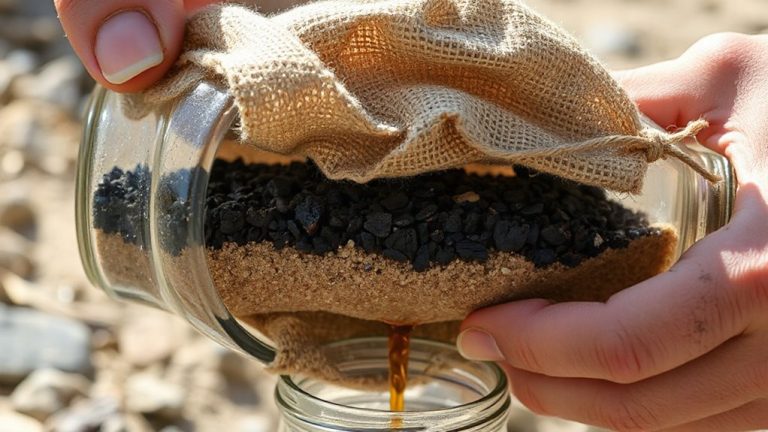
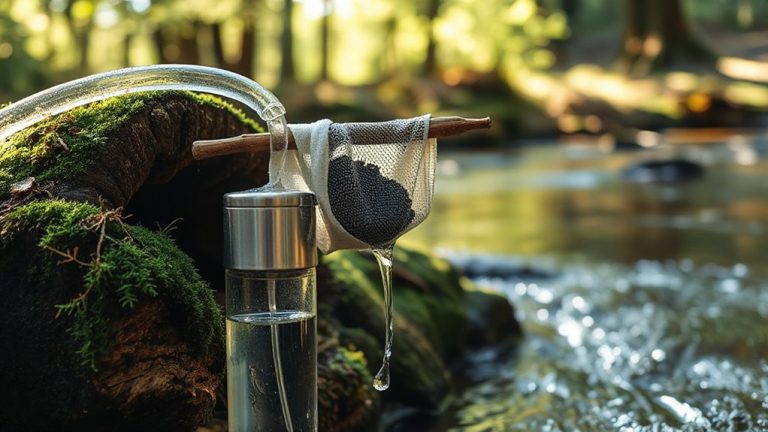
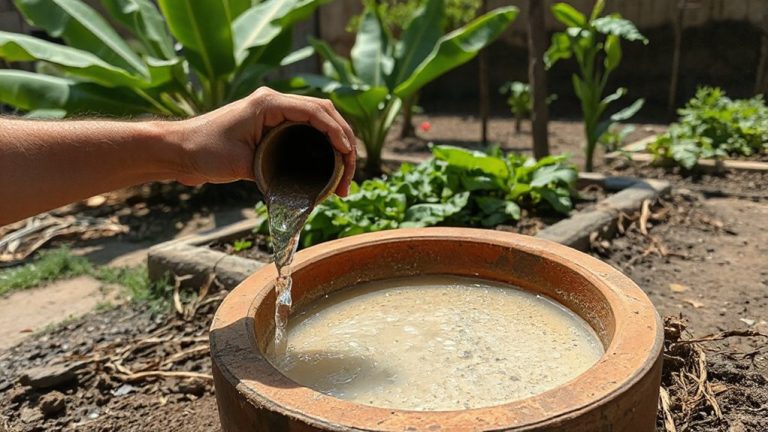
What if your stored water runs out? You’ll need to purify water from alternate sources. Boiling water is reliable-bring it to a rolling boil for at least one minute (three minutes at high altitudes) to kill bacteria and viruses. It doesn’t remove particulates or chemicals, so let the water settle first if it’s cloudy. Using filtration improves safety by removing parasites like Giardia and sediment; most filters have a pore size of 0.1 to 1 micron. Some also include activated carbon to reduce bad tastes and certain contaminants. Filters are fast but require maintenance and can clog. Boiling water is free and effective but uses fuel and time. Combining boiling water with using filtration gives broader protection. Check filter manufacturer specs for flow rate and lifespan-typical filters handle 100 to 1,000 gallons before replacement. A reliable option for portable purification is a water filtration survival kit.
On a final note
You need one gallon of water per person per day, stored in FDA-approved, BPA-free containers like 5-gallon jugs or 2-liter bottles. Rotate every six months to maintain freshness. Seal tightly and store in a cool, dark place. If supplies run low, purify using bleach (8 drops per gallon) or a reliable filter. These steps guarantee clean water when you need it-no guesswork, just proven results.