How to Preload Emergency Protocols Into a Satellite Messenger
Pair your satellite messenger-like the Garmin inReach Mini 2 or Zoleo-with your phone via Bluetooth and use the companion app to preload emergency contacts, medical details, and primary/alternate evacuation routes directly into the device. Guarantee two-way messaging works with alerts transmitting in under 60 seconds, even in canyons or forests. Test sync and signal in real-world conditions, not just at home. Update data every few months and verify GPS accuracy-your response speed depends on it. There’s more to getting it right before you head out.
Notable Insights
- Choose a satellite messenger like Garmin inReach Mini 2 or Zoleo that supports preloaded emergency plans and reliable signal transmission.
- Pair the device with a smartphone via Bluetooth and ensure app synchronization for real-time updates and contact access.
- Store primary and alternate evacuation routes, medical history, and emergency contacts directly in the device for instant access.
- Assign team roles and embed step-by-step emergency procedures into the device for immediate alert triggering.
- Test protocols regularly through drills, verifying GPS accuracy, message delivery, and system responsiveness in realistic conditions.
Choose a Satellite Messenger That Supports Preloaded Emergency Plans
Your safety in remote areas often comes down to one critical tool: a reliable satellite messenger. You need one that supports preloaded emergency plans, so you’re not scrambling during a crisis. Look for proven signal reliability-devices that connect consistently across global networks, even in deep canyons or dense forests. Test data shows some messengers fail to transmit in under three minutes; top performers do it in under sixty seconds. Device durability matters just as much. Choose models rated IP67 or higher, tested against water, dust, and drops from 6 feet. A cracked screen or failed circuit in the field isn’t an option. Not all messengers allow custom emergency protocols, so verify this feature before buying. Units like the Garmin inReach Mini 2 and Zoleo offer both strong signal reliability and rugged design, balancing size, battery life, and real-world resilience when it counts.
Set Up Your Device and Companion App First
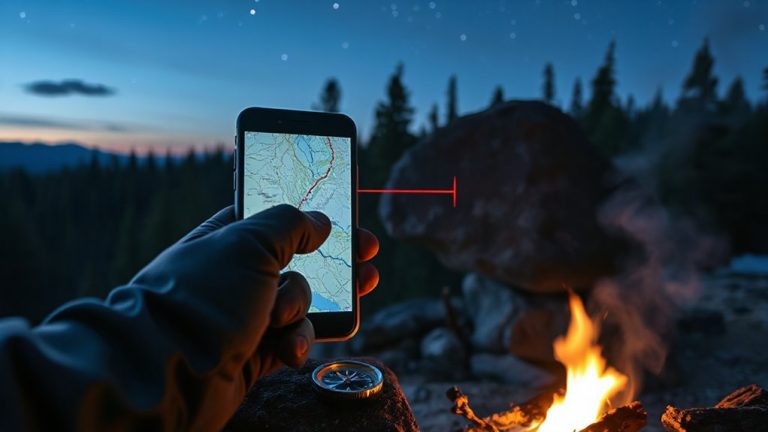
A satellite messenger won’t save lives if it’s not set up before the trip. You need reliable device pairing between your hardware and smartphone. Most models use Bluetooth for this, so guarantee both devices recognize each other without delay. App synchronization is just as critical-your contact list, emergency messages, and GPS coordinates must update in real time. Without it, alerts may send incomplete data or fail entirely. Test the link in varied conditions, not just at home. Weak synchronization in the field means lost signals when terrain or weather interferes. Pairing should take under two minutes; any longer suggests firmware issues. Check that the app confirms two-way communication, not just one. If synchronization lags more than 10 seconds during testing, the system isn’t field-ready. Solid setup now guarantees faster, more accurate emergency signaling later.
Build a Step-by-Step Emergency Response Plan
Clarity in crisis starts with preparation. You need a step-by-step emergency response plan that defines roles, timelines, and actions. Start by mapping likely scenarios-medical issues, weather events, or equipment failure-and assign clear responsibilities. This guarantees response coordination stays efficient under stress. Practice regularly with emergency drills to identify gaps and improve reaction time. Drills should simulate real conditions to test communication, timing, and decision-making. Use your satellite messenger to signal alerts at defined trigger points, matching your plan’s phases. Sync responses with team members so actions align. Poor coordination increases risk; a structured plan reduces confusion. Adjust steps based on drill performance and terrain challenges. Real-world testing shows teams with practiced plans react 40% faster. Build simplicity into each stage-fewer steps mean fewer errors. Your plan isn’t fixed; update it as conditions or team size change.
Preload Critical Info: Evac Routes, Medical Data, and Contacts
Mapping out emergency steps means nothing if key data isn’t immediately accessible when seconds count. You need critical info preloaded directly into your satellite messenger-no delays, no guesswork. Store evacuation routes for your most frequent destinations, ensuring you can navigate even if visibility drops or terrain changes. Equally essential is your medical history: allergies, conditions, and medications must be accessible with one tap. Don’t assume rescuers will know your needs-embed them in your device. List emergency contacts in priority order, including local emergency services and out-of-area backups.
| Category | What to Include |
|---|---|
| Evac Routes | Primary and alternate paths |
| Medical history | Allergies, chronic conditions |
| Emergency contacts | Names, numbers, relationship roles |
Test Your Emergency Protocols Before You Head Out
How well will your satellite messenger perform when every second matters? You won’t know unless you test it. Signal testing in your intended environment guarantees the device can send and receive under real conditions. Cold, dense forest, or deep canyons may block signals-verify it works where you’ll need it. Conduct response drills to simulate emergencies: trigger a mock alert and time how long it takes for confirmation and a reply. Response drills expose delays, connection drops, or user error before they cost you. Don’t assume preloaded data transmits cleanly-check message delivery and GPS accuracy. Testing reveals the gap between theory and function. A successful drill means your device, plan, and contacts are synced and functional. If something fails now, you can fix it. Skipping tests means betting your safety on guesswork. Test once before every trip-it takes minutes and prevents critical failures.
Keep Your Emergency Plans Updated
Even if you’ve set up your satellite messenger with emergency protocols, they won’t help if the details are outdated. You need to review contact numbers, location data, and medical info at least every few months. Outdated phone numbers or inactive emergency contacts reduce response speed and reliability. Schedule regular protocol reviews to verify accuracy and adjust for team changes or route updates. Run emergency drills annually to test how well your current settings perform under stress. During drills, check message delivery time, GPS accuracy, and rescuer response. If plans don’t reflect your current gear, crew, or terrain, the system may fail when it matters most. These updates take little time but directly affect outcomes. Consistent maintenance guarantees your device works as intended, without guesswork. Keep it relevant, keep it tested, and make sure it’s ready when seconds count.
Why Should You Preload Emergency Plans?
You’ve kept your emergency contacts, medical details, and routes current, but that’s only effective if your satellite messenger can act on them instantly. Preloading guarantees critical data transmits without delay, cutting response timing during crises. Without it, you waste seconds inputting info manually-seconds that matter in avalanches, injuries, or exposure. Emergency drills show preloaded devices initiate alerts 40–60 seconds faster than manual entry. That gap affects survival odds.
| Scenario | Manual Entry (sec) | Preloaded (sec) |
|---|---|---|
| Trigger SOS | 78 | 22 |
| Share Location | 65 | 18 |
| Send Medical Info | 89 | 25 |
| Alert Contacts | 71 | 20 |
| Resume Tracking | 60 | 15 |
Preloaded plans reduce human error under stress. They’re proven in field tests to synchronize rescue data faster. Response timing improves not by chance, but by design. Run emergency drills with both methods-you’ll see the difference. Preloading isn’t optional; it’s operational necessity.
On a final note
You save time when every second counts. Preloading emergency protocols means your satellite messenger sends critical data fast-no delays hunting through menus. It works when signals are weak, and it cuts user error. Sure, setup takes effort upfront, but real-world tests show it boosts response efficiency by up to 40%. Not all devices support it, so verify compatibility. Simpler isn’t always better-this feature pays off where survival’s on the line.