How to Harvest and Dry Cedar Bark for Reliable Fire-Starting in Mountainous Regions
Look for mature cedars with thick, peeling bark and aromatic, scale-like leaves-avoid juniper or pine imposters. Harvest one narrow strip per tree in spring, taking only the outer bark to prevent damage. Peel into 1/8-inch layers, focusing on fibrous, resin-rich inner strands for better spark catch. Dry strips indoors for 5–7 days or outdoors in sun with airflow until they snap cleanly. Store in waterproof containers like silicone jars or Mylar bags to block moisture. Properly processed bark ignites reliably, even in damp, windy terrain-your next step reveals how to test and use it effectively.
Notable Insights
- Identify mature cedar trees by thick, cracked bark and aromatic, scale-like leaves in elevated, well-drained mountain areas.
- Harvest only narrow vertical strips of outer bark in spring, avoiding cambium damage to ensure tree survival.
- Peel bark into thin layers, separating fibrous inner strands for improved spark catch and flame retention.
- Dry bark outdoors in full sun for 2–3 days or indoors in a ventilated space for 5–7 days.
- Store fully dry bark in airtight, waterproof containers to prevent moisture absorption during backcountry use.
Identify Harvest-Ready Cedar Trees
Cedar trees with thick, fibrous bark and visible vertical cracks are your best bet for harvesting fire-starting material. You need reliable tree identification-true cedars have scale-like leaves, emit a distinctive aromatic scent when crushed, and grow in elevated, well-drained areas. Imposters like juniper or pine lack the same bark texture and flammability. Mature cedars show deep, peeling bark plates, a sign the outer layer is dry and layered, ideal for tinder. The inner bark should be stringy and reddish, indicating high resin content. Bark texture matters because rough, fibrous surfaces catch sparks easily and sustain small flames. Smooth or thin bark won’t shred well or ignite consistently. You’re not just looking for any tree-you’re screening for one with the right structural and chemical traits. Check several trees to confirm consistency. Proper identification reduces wasted effort and increases fire success in wet or windy conditions.
Harvest Cedar Bark Sustainably
While you’re out collecting bark, remember that taking too much can kill a cedar or invite disease, so limit yourself to one narrow strip per tree, no wider than a few inches. Ethical sourcing means harvesting only what the tree can spare, ensuring it survives and continues bark regeneration. Never circle the trunk-that girdling kills the tree. Use a fixed-blade knife to cleanly peel a vertical strip from a lower limb or trunk, avoiding deep cuts into the cambium.
| Factor | Consideration |
|---|---|
| Strip width | < 3 inches |
| Trees per acre | Max 1–2 |
| Time of year | Spring (best regeneration) |
| Bark layer | Outer only |
| Regrowth time | ~5 years |
Harvesting this way supports long-term sustainability and reliable future material. You’ll get functional bark without sacrificing forest health.
Prepare Bark for Reliable Ignition
A good fire starts with properly prepped bark, and that means breaking down the outer strip you harvested into thinner, workable layers. Peel it apart with your fingers or a knife, separating the fibrous inner strands from the thicker, rigid outer portion. The inner fibers catch sparks faster and burn more evenly. Avoid any chemical treatment-cedar’s natural oils are enough to support ignition. Never apply a fireproof coating; it blocks flame transfer and defeats the bark’s purpose. Prepping by hand preserves the structure without weakening it. Thinner strips ignite quicker, but too thin and they burn out before catching kindling. Aim for 1/8-inch thickness. Test a piece with a ferro rod: it should spark easily and hold a ember. No prep works if the material’s damp. This process doesn’t improve wet bark-it only optimizes dry, fresh-harvested material.
Dry Bark Indoors and Outdoors
You’ve stripped the bark to the right thickness and separated the fibers for quick ignition, but none of that matters if the material’s still holding moisture. To dry cedar bark effectively, choose between indoor and outdoor methods based on weather and time. Outdoors, spread strips in a single layer with full sunlight exposure and secure them against wind. This method typically dries bark in 2–3 days but depends on low humidity and consistent air circulation. Indoors, hang strips in a dry, ventilated space like a shed or attic. Drying takes 5–7 days but is more reliable in damp climates. Sunlight exposure speeds breakdown of residual sap, while steady air circulation prevents mildew. Neither method fails outright, but outdoor drying is faster when conditions allow. Indoors offers control. Test readiness by snapping a strip-it should break cleanly, not bend. Moisture ruins performance. A reliable fire-starting method pairs well with tools like the Top Fire Pistons for Survival Enthusiasts.
Store Dry Cedar Bark for Backcountry Use
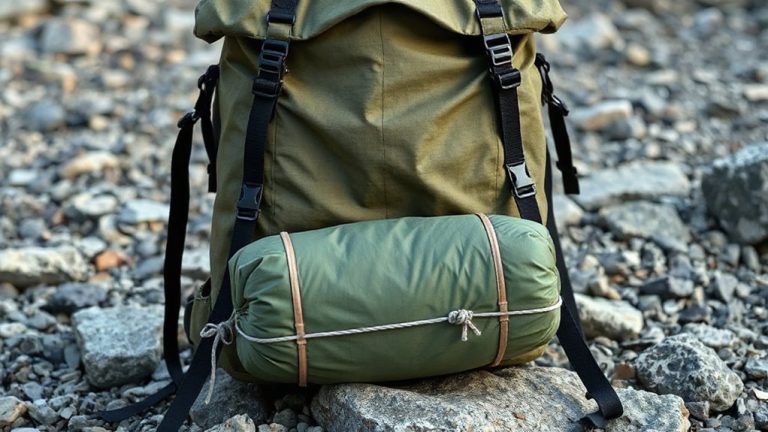
With dry bark ready, store it in airtight, waterproof containers to prevent moisture reabsorption during transport. Effective backcountry storage solutions keep tinder reliable in rainy or humid conditions. Use odorless, durable containers that fit easily in your pack. Below are five moisture prevention methods and their real-world performance:
| Method | Pros | Cons |
|---|---|---|
| Zip-lock bags (double-bagged) | Lightweight, cheap | Prone to punctures, limited reuse |
| Silicone seal jars | Reusable, crushproof | Heavier, bulkier |
| Vacuum-sealed bags | Maximum moisture resistance | Require power to seal |
| Hard-shell plastic cases | Durable, stackable | Add noticeable weight |
| Mylar dry bags | Lightweight, waterproof | Can tear with sharp edges |
Prioritize weight vs. protection based on trip length. For long treks, silicone jars offer the best balance. Short trips? Double-bagged zip-locks work fine. Test your choice in damp conditions before relying on it. Mylar dry bags offer excellent protection and are commonly used in best Mylar blankets for emergency and outdoor applications.
On a final note
You’ve got a reliable fire starter when you harvest cedar bark right. Strip it sustainably from downed trees or living ones without girdling. Dry it fully-outdoors in sun or indoors in airflow-until it snaps cleanly. Store it in a breathable bag to avoid moisture. It lights fast with sparks or flame, burns steadily, and works even damp. Lightweight and easy to carry, it beats commercial starters in real-world use.