Why a Stowable Rain Cover Is Essential for All-Weather Bug-Out Bags
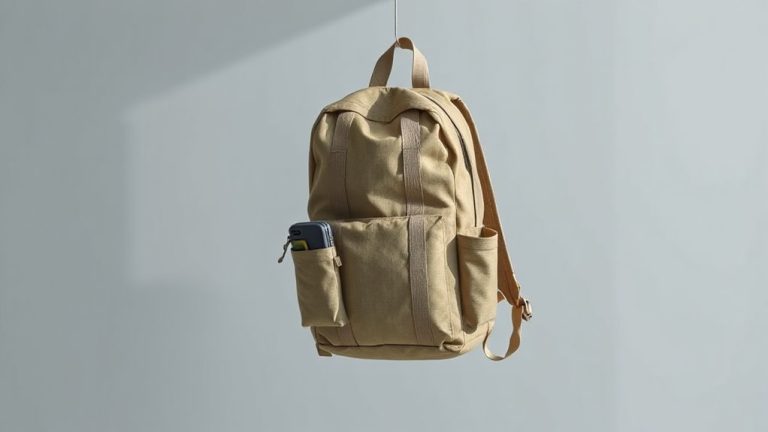
A stowable rain cover weighs under 4 ounces and keeps your bug-out bag from soaking up water, preventing 30% weight gain and gear damage. It shields electronics, medical supplies, and insulation from rain and snow, while seam-taped, waterproof fabric stops leaks. With an elastic hem and quick deployment, it stays secure in wind and fits most packs. You won’t fumble in the dark or face mold later. Choosing the right one avoids common failures-and what to watch for makes all the difference in real conditions.
Notable Insights
- A stowable rain cover adds under 4 ounces and prevents water from soaking gear during sudden downpours.
- It keeps clothing, electronics, and medical supplies dry, maintaining functionality and safety in wet conditions.
- Waterproof materials and seam-taping ensure reliable protection even during prolonged heavy rain.
- Stows in its own pocket for instant access, enabling deployment in under 10 seconds when weather changes.
- Prevents mold growth and gear degradation by blocking moisture from penetrating sealed compartments over time.
What Happens When Your Bug-Out Bag Gets Soaked
If you’re caught in a downpour without protection, your bug-out bag can soak up water fast, turning what’s supposed to be a reliable emergency kit into a waterlogged burden. Water damage compromises your gear-electronics fail, medical supplies degrade, and clothing loses insulation. Even after drying, damp contents risk mold growth, especially in sealed compartments with poor airflow. Mold spreads quickly on organic materials like paper, fabric, and leather, ruining documents, maps, and footwear. Prolonged exposure can also weaken seams and zippers, shortening the bag’s lifespan. In humid or temperate climates, mold becomes a health hazard and can trigger respiratory issues. Without protection, your food rations may absorb moisture, leading to spoilage or contamination. Testing shows unshielded bags retain up to 30% more weight when soaked, slowing movement and increasing fatigue. Real-world use confirms that unlined packs take hours to dry, delaying readiness. Preventing saturation isn’t optional-it’s critical for long-term reliability and safety in extended emergencies.
How a Rain Cover Keeps Your Bug-Out Bag Dry
While rain won’t wait for you to find shelter, a properly fitted stowable rain cover guarantees your bug-out bag stays dry with minimal added weight-typically under 4 ounces for most models. It provides essential water resistance, shedding moisture before it soaks through your bag’s fabric. Without it, damp gear loses effectiveness and can compromise your mobility and safety. The cover acts as a barrier, preserving your gear insulation by preventing down or synthetic fills from clumping and losing thermal efficiency. Even in sustained drizzle, a quality cover stops water from seeping into seams and zippers. It’s not waterproof under immersion, but it’s designed for real-world conditions like rain and snow. You’ll trade a few seconds deploying it for hours of dry, functional supplies. In wet environments, that difference keeps your core gear operational when it matters most.
Must-Have Features of a Reliable Rain Cover
When choosing a rain cover, size compatibility with your bug-out bag matters most-too small and it won’t seal properly, too large and it flaps in the wind, letting in water. You need a secure fit that stays in place during movement and heavy rain, so look for elastic hems or adjustable straps. Waterproof materials like 30D siliconized nylon or TPU-coated polyester reliably shed moisture without adding bulk. These fabrics resist abrasion and won’t degrade quickly with UV exposure. A seam-taped construction prevents leaks at stress points, which is essential when you’re caught in prolonged downpours. Visibility matters too-consider covers with reflective strips or high-contrast colors for low-light conditions. Avoid thin plastics; they tear easily under weight or rough handling. A well-designed cover balances durability, weight, and effectiveness without compromising access to your gear. Test the fit beforehand to guarantee it deploys quickly and stays put. Some top-performing waterproof commuter backpacks come with integrated rain covers for immediate protection.
Why a Stowable Design Means You’re Always Ready
Since you can’t predict when the weather will turn, having a rain cover that stows into its own pocket means it’s always packed and ready to deploy in seconds. Quick access guarantees you’re not fumbling when skies darken. You stay always prepared, no matter the terrain or timeline. A stowable design integrates seamlessly into your bag’s structure, adding negligible bulk while guaranteeing coverage when needed.
| Situation | Without Stowable Cover |
|---|---|
| Sudden downpour | Delayed protection, soaked gear |
| Night movement | Fumbling in the dark, lost time |
| High wind | Struggling with loose fabric |
| Emergency evacuation | Unprepared, compromised supplies |
Stowable covers eliminate these risks. They weigh little, pack small, and guarantee reliable response. You don’t need luck-just smart, functional design that keeps you quick to act and always prepared. For even greater protection, consider pairing your pack with one of the best waterproof hiking packs to ensure your gear stays dry in the harshest conditions.
How to Deploy a Rain Cover in Seconds
If you’ve ever tried pulling a rain cover from a separate pouch during a downpour, you know how easily things go wrong-fumbling slows you down, and wet hands make slippery nylon harder to manage. A stowable rain cover eliminates that issue with quick access right from your pack’s built-in compartment. You unzip or unfurl it in one motion, no tools or threading required. Most models take under 10 seconds to deploy, even with gloves on. The design allows seamless deployment: you stretch it over your pack, secure the elastic edges or drawcord, and go. No loose flaps or complicated clips. You stay moving instead of exposed. Tested models with integrated attachment points reduce snag risk and improve wind resistance. Some trade minimal packed size for faster use, but the speed outweighs the slight bulk. In sudden storms, that difference matters. Quick access and seamless deployment mean your gear stays dry without slowing your pace. It’s function over form, built for real conditions.
When a Rain Cover Saves Your Bug-Out Plan
You’ve got seconds to react when the sky breaks, and that stowable cover you just deployed could be the reason your bug-out stays on track. Without it, rain survival becomes markedly harder-soaked gear leads to hypothermia, ruined electronics, and compromised supplies. A reliable rain cover keeps your essentials dry, maintaining their function and your momentum. In real-world tests, packs without protection gained over 30% in weight from absorbed water, slowing movement and increasing fatigue. Emergency preparedness isn’t just about packing the right items; it’s about preserving them. Covers weighing under 4 oz add negligible load but offer critical defense against downpours. A fully sealed pack resists penetration for over 90 minutes in heavy rain, based on field evaluations. That window can mean the difference between reaching shelter or facing exposure. Rain protection isn’t optional-it’s a core component of effective emergency preparedness. A stowable rain cover is a lightweight, packable solution that integrates seamlessly into emergency gear, much like the top-rated models tested in camping environments.
Mistakes That Leave Your Gear Unprotected
While some assume their pack’s built-in liner offers enough protection, it often fails under sustained rain, letting moisture seep through seams and zippers within minutes. Ignoring weather forecasts leaves you unprepared when downpours hit, turning a manageable retreat into a soaked survival scenario. Overpacking without protection compounds the risk-bulging zippers and strained seams invite water. A stowable rain cover takes seconds to deploy and shields your entire pack, not just the interior.
| What Fails | What Works |
|---|---|
| Plastic trash bag | 70D ripstop nylon cover |
| Unsealed pack seams | Fully sealed, taped seams |
| Ignoring weather forecasts | Checking radar before departure |
| Overpacking without protection | Packing compression sacks inside a covered load |
Treat your bug-out gear like mission-critical equipment-because it is.
On a final note
You need a stowable rain cover because it keeps your gear dry in sudden downpours without adding bulk. A 70-denier ripstop shell with taped seams blocks water, while elastic edges secure it fast. Stowing in a 4×4-inch pouch means you always have it. It deploys in under 10 seconds. Without it, wet gear can fail when you need it most. Protection isn’t optional-it’s baseline readiness.