Wilderness Triage: Prioritizing Multiple Injuries When Help Is Hours Away
You stop major bleeding first because it kills fastest-use direct pressure or a tourniquet on limbs if needed. Then check airway and breathing; clear obstructions and support open airways. Look for the Deadly Six signs: rapid pulse, cold skin, confusion, abdominal rigidity, deformity, or uncontrolled bleeding. Prevent shock by insulating from cold, elevating legs slightly, and monitoring essential signs. Immobilize fractures but move only if the environment is unsafe. Key gear like a tourniquet and chest seals pays off when help is far away.
Notable Insights
- Stop life-threatening bleeding immediately using direct pressure, wound packing, or tourniquets for limb injuries.
- Prioritize airway and breathing after controlling hemorrhage; open airway and deliver rescue breaths if needed.
- Recognize the Deadly Six signs-like rapid pulse, cold skin, and confusion-to identify critical injuries early.
- Delay shock progression by insulating from cold, elevating legs, and offering small sips of warm fluid if conscious.
- Move only if the environment is immediately dangerous; stabilize spine and fractures before evacuation when possible.
Stop Bleeding First: It Kills Fast
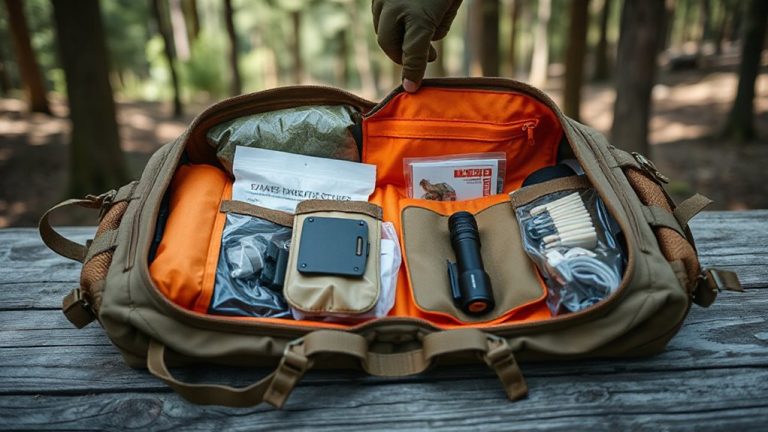
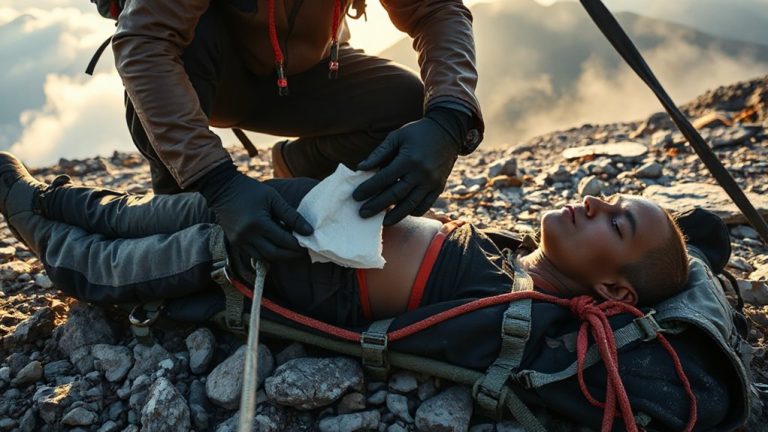
If you’re facing a serious wound in the wild, stopping the bleeding has to be your first move-because uncontrolled bleeding can kill in minutes, not hours. You’re dealing with external wounds, and a rapid response is critical. Apply direct pressure with a clean cloth or your hand; it’s the most effective first step. If bleeding continues, pack the wound with gauze or cloth and maintain pressure. Tourniquets work best for limb injuries but only use them when pressure fails. Test results show commercial devices like CAT or SOF-T tourniquets stop blood flow in under 30 seconds when applied correctly. Improvised ones often fail. For external wounds, clotting agents like QuikClot can help, but they’re no substitute for pressure. Your response time determines survival odds-delays over five minutes drastically reduce chances. Always carry a trauma kit with gauze, a tourniquet, and gloves. It’s not about gear-it’s using what you have fast. Top Emergency Medical Kits – Expert Picks & Buying Guide recommend including a trauma-specific medical kit to ensure you’re prepared for severe injuries in remote settings.
Check Airway and Breathing Immediately
When the bleeding’s under control, you need to check if the person can breathe-because airway blockage kills just as fast as blood loss. Tilt their head back gently and lift the chin to open the airway, unless you suspect a neck injury. Look for chest rise, listen for breath sounds, and feel for air on your cheek. Any gurgling, gasping, or silence signals airway obstruction. Breathing difficulty may show as rapid, shallow breaths or flared nostrils. If they’re not breathing, start rescue breaths immediately-each over one second, watching for the chest to rise. A nasal airway or jaw thrust can help if blockage is likely. Don’t waste time on complex tools; your hands and training are the most reliable. In remote settings, even minor breathing difficulty can worsen fast. You’ve got minutes, not hours, so act now. Clear the airway, support breathing, and stay ready to adapt.
Recognize the Deadly Six Injury Signs
You’ve checked the airway and breathing-now it’s time to scan for life-threatening injuries that can kill within minutes if missed. The deadly six signs include rapid weak pulse, cold clammy skin, confusion, abdominal rigidity, obvious deformity, and uncontrolled external bleeding. Each suggests possible internal bleeding or organ damage, especially if the abdomen feels hard or the person becomes lethargic. Rapid pulse over 120 may mean blood loss. Cold skin and confusion point to shock onset. Abdominal rigidity often signals perforated organs. Obvious deformity in the pelvis or chest can hide massive internal bleeding. Uncontrolled bleeding is visible but not always obvious-check under clothing. Missing these signs risks rapid deterioration. Recognizing them early improves survival odds. You won’t fix organ damage in the wild, but spotting it guides urgency and movement decisions. Prioritize patients showing multiple signs. Time is your most limited resource.
How to Slow Shock in Remote Settings
Though you can’t reverse shock in the backcountry, you can slow its progression by stabilizing the core factors that accelerate it. Keep the person insulated from the ground and covered with a thermal blanket to preserve body heat-core temperature drops fast in cold environments. Elevate their legs slightly unless head, neck, or spine injuries are suspected. Monitor breathing and pulse regularly. Hydration management is critical; offer small sips of warm, non-caffeinated fluids if they’re conscious and able to swallow. Avoid giving food. Emotional support matters-stay calm, speak clearly, and reassure them help is coming. Panic increases heart rate and worsens shock. Your presence alone can reduce distress. Don’t overheat them, and avoid walking them around. Rest and conservation of energy are priority. These steps don’t fix shock but improve odds until help arrives. A well-stocked tactical first aid kit can provide essential supplies for managing shock and other critical injuries in remote settings.
Stabilize Fractures Without Help
A snapped bone in the wild won’t wait for rescue, so your first move is immobilization. Use whatever splint materials you have-branches, trekking poles, or folded clothing-secured with straps, cords, or cloth strips. Rigid supports work best for long bone fractures, but inflatable or soft splints can suffice if padded well. Apply immobilization techniques that lock the joint above and below the break; for example, splint an injured femur from hip to ankle. Check circulation after tightening-numbness or pallor means it’s too tight. Improvise carefully: a sturdy branch may outperform a commercial splint if shaped right. Balance stability with comfort, since poor padding causes pressure sores. Avoid adjusting unless absolutely necessary. Your goal isn’t perfection-it’s preventing further damage until help arrives. Effective immobilization buys time, reduces pain, and limits soft tissue injury. Keep the limb aligned and supported without overcomplicating.
Decide Fast: When to Move the Injured
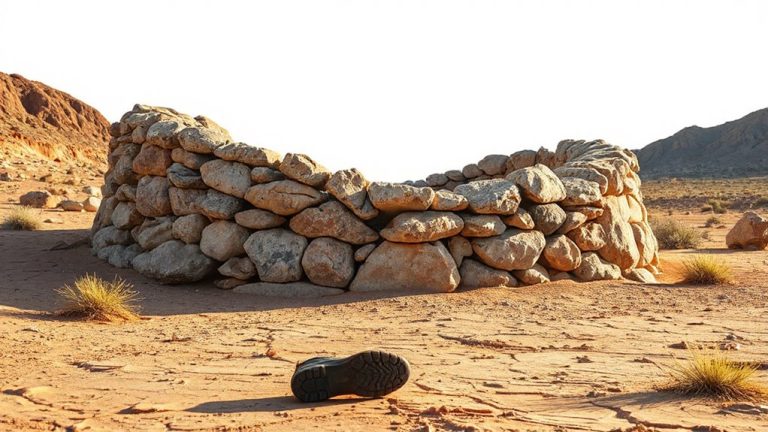
When is it safer to move an injured person than to leave them in place? Only when staying puts them at greater risk than moving. If the environment is unstable-like a snow avalanche zone, rising floodwater, or active rockfall-immediate safe relocation becomes necessary. You don’t have the luxury of waiting. Fire, exposure, or the threat of wildlife also demand action. In these cases, urgent evacuation overrides the usual rule of immobilization. But moving someone improperly can worsen injuries, so assess quickly: can you stabilize their spine and limbs during transport? Use available gear to limit motion. The decision isn’t about comfort-it’s about survival. If the danger nears, prioritize escape over perfection. Safe relocation isn’t ideal, but sometimes it’s the only option.
Triage Rules for Real Wilderness Emergencies
You’ve moved the injured out of immediate danger or decided to keep them in place-now you need to figure out who requires help first. Use simple triage: check responsiveness, breathing, and circulation. Prioritize those with life-threatening but treatable conditions. In remote settings, effective wilderness communication means relaying triage findings clearly when help arrives. Always maintain accurate injury documentation to support medevac teams. A well-stocked wilderness first aid kit can make a critical difference in managing both immediate and ongoing medical needs.
| Priority | Action |
|---|---|
| High | Immediate intervention-airway or severe bleed |
| Medium | Stable but needs monitoring-fractures, burns |
| Low | Minor injuries-cuts, sprains, manageable pain |
Delay in treatment increases risk. Assign someone to record symptoms, interventions, and timeframes-this documentation aids diagnosis later. Triage isn’t perfect, but it’s practical. Balance urgency with resource limits, and prepare to reassess.
On a final note
You handle bleeding first because it kills fastest-apply pressure, use a tourniquet if needed. Check airway and breathing right after; no breath means death in minutes. Recognize the Deadly Six signs early-they guide your actions. Slow shock with insulation and elevation. Immobilize fractures simply. Move only if the scene’s unsafe. Triage keeps you decisive when help’s hours away.