How to Rotate and Inspect Your Bug-Out Bag Every 90 Days for Readiness
Check expiration dates on food and meds every 90 days-replace anything expired or degraded. Rotate supplies by moving older items forward. Test electronics: charge fully, verify function, and replace weak gear. Update clothing seasonally, favoring moisture-wicking materials and terrain-appropriate footwear. Restock water, hygiene items, and backup meds. Reorganize your bag with essentials accessible and weight balanced. Clear labeling and dry storage speed access and prevent damage-your next review might reveal overlooked gaps.
Notable Insights
- Rotate food and medications every 90 days, moving older items to the front and checking expiration dates.
- Inspect freeze-dried meals and packaged foods for tears, swelling, or moisture damage to ensure shelf life integrity.
- Fully charge and test all electronics, including radios, flashlights, and power banks, to confirm reliable function.
- Update clothing to match current season and wear conditions, prioritizing moisture-wicking synthetics or wool over cotton.
- Restock water, hygiene supplies, and critical items like purification tablets and filters, ensuring backups and freshness.
Check Food and Meds for Expiration
Staying prepared means confronting the quiet reality of shelf life. You’ll need to perform regular food rotation and medication check to guarantee effectiveness when it matters. Most freeze-dried meals last 25 to 30 years unopened, but once rehydrated or exposed to humidity, spoilage accelerates. Inspect packaging for tears, discoloration, or swelling-signs of compromised seals. Rotate items every 90 days, moving older stock to the front. Energy bars and ready-to-eat meals typically last 2–5 years; track dates clearly. For medications, antibiotics lose potency after expiration, and insulin degrades without refrigeration. Check for changes in color, texture, or odor. Pain relievers like ibuprofen remain stable past their date but may require higher dosing. Keep original packaging to preserve integrity and track expiry. Your survival depends on what works, not what’s convenient. Rotate now-don’t gamble later.
Charge Electronics and Test Bug-Out Bag Gear
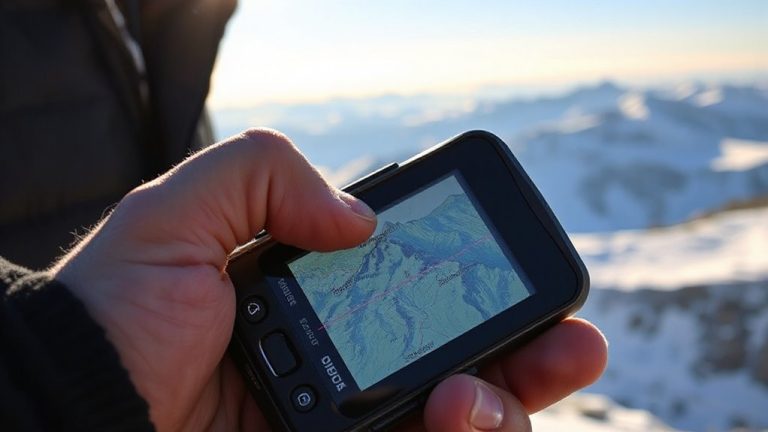
Reliability hinges on power, and if your electronics die when you need them most, the rest of your gear won’t matter. Start by charging every device-GPS, flashlight, two-way radio, phone, and power bank-so they’re at full battery life. Then test each one. Turn on your radio and check signal strength over short and long distances; static or dropouts mean it’s time to replace or service it. Verify that your flashlight beams bright with no flickering. Plug in your phone to the power bank and confirm it draws current. Devices with weak battery life won’t cut it in real emergencies. Note any units that charge slowly or shut down unexpectedly-they’re liabilities. Write down which gear passed or failed. Replace or repair faulty items before repacking. Test results guide your choices, not marketing claims. Functional electronics keep you informed, oriented, and connected when the grid fails. For optimal performance, consider upgrading to one of the best flashlights for 2025 that balance brightness, battery life, and durability.
Update Clothes for Season and Wear
You’ll want to match your bug-out bag clothing to the current season and expected wear conditions-cotton won’t cut it in cold or wet weather since it holds moisture and accelerates heat loss. Instead, prioritize synthetic or wool fabrics that support effective moisture management. You need breathable base layers that wick sweat and insulating mid-layers for warmth without bulk. Adjust your seasonal layers every 90 days: lighter materials for summer, thermal options for winter. Test wear during short outdoor drills to assess durability and comfort. Avoid overpacking, but guarantee redundancy for key items like socks and underlayers. Footwear should align with terrain and weather-wet boots compromise mobility and increase blister risk. Every clothing item must serve a functional purpose: staying dry, retaining heat, or allowing motion. Rotate stored clothes to prevent long-term compression damage. Your readiness depends on practical clothing choices, not quantity.
Restock Water, Hygiene, and Critical Supplies
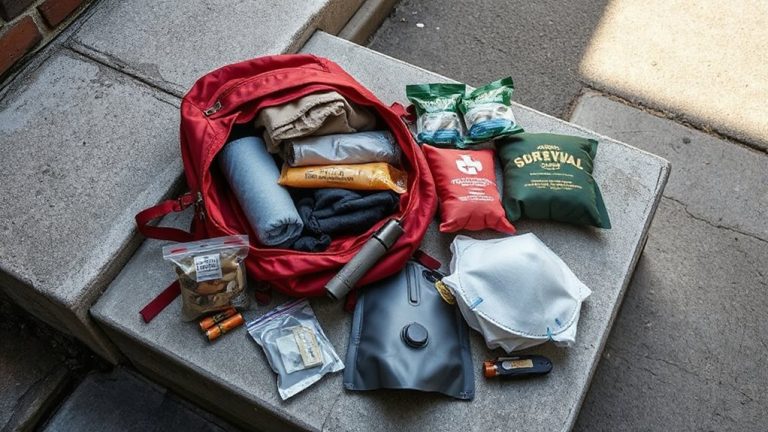
A well-maintained bug-out bag keeps you operational when supplies run thin, and that starts with restocking water, hygiene, and critical items every 90 days or after each use. You should replace expired water purification tablets and check filter expiration dates-most filters lose effectiveness after 2–3 years, even if unused. Carry at least two purification methods; a Sawyer Squeeze offers reliability, while tablets add redundancy. Inspect your hygiene inventory: replace used or degraded items like toothpaste, soap, and toilet paper, and confirm sealed packaging. Include antiseptic wipes and hand sanitizer with at least 60% alcohol. Critical supplies such as medications, allergy pills, and prescription backups must be current-check dates monthly. Restocking guarantees your gear meets real-world demands without failures when tested.
Reorganize and Re-Pack Your Kit for Fast Access
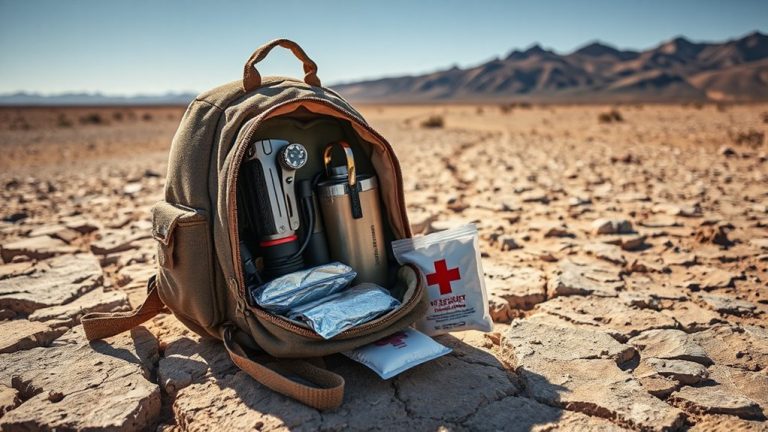
Why dig through your bag when seconds count? Reorganize your kit now. Place essentials like your flashlight, multi-tool, and emergency blanket in outer pockets for quick access. Heavier items-water, food, batteries-should sit low and central to maintain proper weight distribution. This prevents strain and keeps your balance during movement. Use clear, labeled dry bags inside for categories: medical, shelter, fire supplies. This reduces search time. Avoid overstuffing; a packed bag is harder to move with. Test the re-packed bag by doing a 10-minute walk. Adjust if straps dig or contents shift. Repacking every 90 days guarantees layout matches current needs. Function beats completeness-keep it efficient. You won’t win a race to survive. But a smart layout might save critical seconds.
On a final note
You should rotate your bug-out战士职业 every 90 days to guarantee reliability. Check expiration dates on food and meds-replace anything outdated. Charge all electronics and confirm they power on. Update clothing for current weather and replace worn items. Restock water, hygiene supplies, and critical items you’ve used. Reorganize the bag so essentials are easy to reach. This routine keeps your kit functional, lightweight, and ready for real emergencies.