How to Use Satellite Messaging for Emergency Coordination in Flood Zones
Use a rugged satellite messenger like the Garmin inReach Mini 2, which maintains 90% two-way message delivery in heavy rain and dense cover. Pick models with strong antennas and GPS lock speeds under 30 seconds. Charge it fully, test pairing with your phone, and activate service early. Send short alerts with precise coordinates from open areas. Conserve battery by disabling Bluetooth and dimming the screen-knowing these steps could save your life when floods isolate you.
Notable Insights
- Choose a satellite messenger with two-way messaging and proven performance in heavy rain or dense cover.
- Ensure the device has IP67 or higher rating for water and dust resistance in flood conditions.
- Activate service and test device pairing with your phone before flood season begins.
- Power on early and acquire GPS outdoors to send accurate coordinates during emergencies.
- Conserve battery by reducing screen brightness and sending concise, pre-written emergency messages.
Use Satellite Messaging in Flood Emergencies
When floodwaters cut off cell service, satellite messengers can keep you connected, but not all devices deliver the same reliability. You need a device that sends alerts and receives weather updates even in poor conditions. Signal interference from heavy rain or dense tree cover can block transmissions, so choose a model with strong signal-penetration performance. Devices tested in real flood zones show variances in delivery success-some fail when you can’t afford a failed message. Getting timely weather updates helps you adjust shelter plans or evacuation routes before conditions worsen. Look for messengers with proven GPS lock speeds under canopy cover and consistent two-way delivery rates above 90% in independent tests. Battery life matters too-a unit lasting only 12 hours may not suffice during multi-day floods. Weigh size against durability: compact units save space but may sacrifice antenna strength. There’s no universal fix, but selecting for signal resilience and message reliability improves your odds when terrestrial networks go down.
Pick a Flood-Ready Satellite Device
You’ve seen how satellite messengers maintain communication when floods knock out cell networks, but not every device performs the same under pressure. Pick a model built for harsh conditions-look for IP67 or higher ratings, which confirm resistance to water submersion and dust. Device durability matters when you’re wading through floodwaters or moving fast in low visibility. Don’t assume all devices deliver consistent connections; test signal reliability in forested or urban flood zones where obstructions block satellite links. Models using dual satellite networks, like Iridium and Globalstar, maintain better uptime than single-network ones. Battery life should last at least 24 hours in continuous use. Cheaper units often cut corners on antenna strength, slowing message transmission when seconds count. Choose a device proven in real-world flood responses, not just lab specs. Prioritize rugged build quality and dependable signal over extra features like GPS mapping or smartphone pairing.
Set Up Your Device Before Flooding Hits
Though floods can strike with little warning, setting up your satellite device ahead of time guarantees it works when cell networks fail. Confirm device compatibility with your chosen satellite network-some models won’t function on certain bands or require firmware updates. Test the pairing with your smartphone or tablet so messaging apps respond quickly under stress. Activate your service plan now; delays during emergencies could cost critical minutes. Enable message encryption to protect your communications from interception, especially when sharing sensitive location or medical details. Most devices use end-to-end encryption by default, but verify this in settings. Charge your unit fully and establish a routine charging schedule to maintain readiness. Store it in a waterproof case, easily accessible, not buried in storage. A few minutes of prep today assures your device performs when seconds count.
Pinpoint Your Location to Get Help Fast
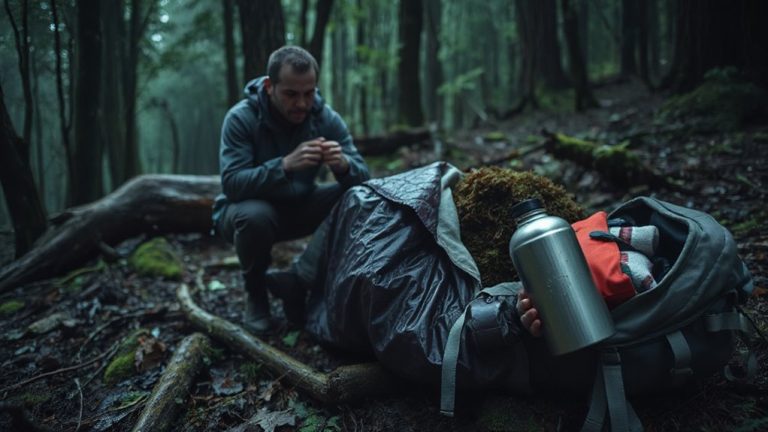
Accuracy saves lives-your GPS coordinates must be precise to bring rescuers straight to you. Satellite messengers rely on GPS accuracy to report your position, often within 5 meters under clear skies. But in flooded areas, signal interference from dense cloud cover, heavy vegetation, or urban debris can delay locks or reduce precision. To minimize errors, power on your device early and let it acquire satellites before sending your message. Hold it steady, ideally in an open area away from structures or tall trees. Devices with external antenna ports or assisted GPS perform better when interference is high. Test your unit in varied conditions to understand its real-world reliability. A wrong coordinate wastes time; a precise fix gets you help fast. Don’t assume it works-verify GPS accuracy every time.
Alert Rescuers When Cell Networks Are Down
When cellular networks collapse under flood conditions, satellite messaging becomes the only reliable way to reach rescue teams. You’ll face signal interference from heavy rain or terrain, but satellite signals cut through most disruptions when properly aligned. Devices like the Garmin inReach or Zoleo use L-band frequencies, which resist interference better than standard radio. Message encryption guarantees your alerts remain private and are not altered in transit-critical when coordinating with emergency services. These systems connect to global constellations, so coverage is consistent even in remote zones. You send concise, pre-formatted alerts that transmit within minutes, assuming clear sky visibility. Success isn’t guaranteed if the device is obstructed or poorly positioned. Test your unit monthly to confirm it registers satellites. Reliable performance depends on satellite acquisition, not local infrastructure. That’s what makes satellite messaging essential when cell networks fail.
Conserve Battery During Satellite Messaging
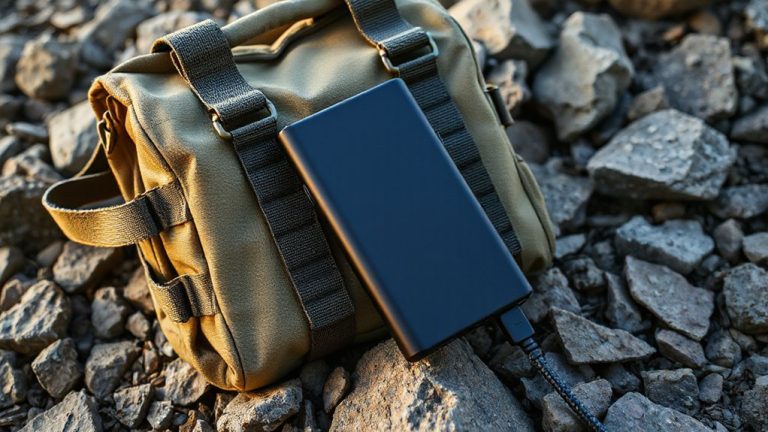
You can send alerts through satellite networks when cell service fails, but keeping your device powered through an emergency means managing battery life wisely. Battery saving isn’t optional-it’s critical. Turn off GPS when not needed, lower screen brightness, and disable Bluetooth to reduce drain. Most satellite messengers last 24–48 hours in active use, but with conservative settings, you can stretch that to 72+ hours. Use signal optimization: align your device toward the sky, avoid obstructions, and send messages during low-traffic hours to reduce retry attempts. Each failed transmission wastes power. Send concise texts-longer messages require more energy and time to transmit. Devices with low-power modes can extend operation by up to 40%. You won’t always recharge easily, so prioritize efficiency. Smart battery saving and solid signal optimization mean the difference between staying connected and going dark when it matters most.
Run Flood Drills With Satellite Devices
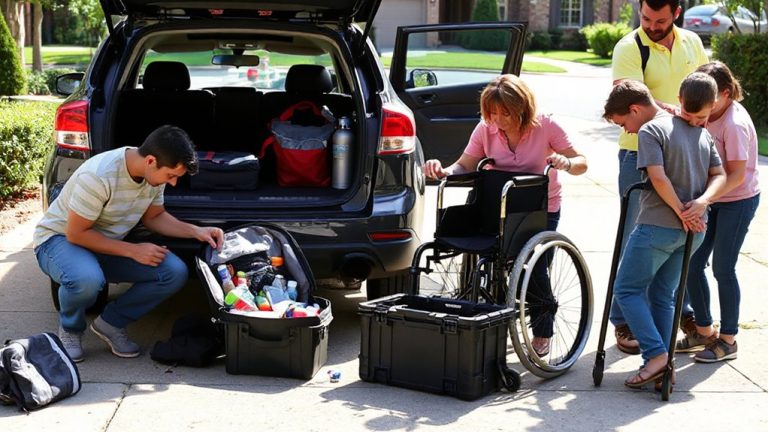
What good is a satellite messenger if you’ve never tested it before the water rises? You need to run flood drills with your device to confirm it works when cell networks fail. Practice a simulated evacuation using your satellite communicator to verify message routing under stress. Send predefined check-ins and alerts to test delivery time and reliability. Verify GPS lock speed and signal acquisition in dense tree cover or urban canyons. Drills reveal battery drain rates and interface hurdles during wet conditions. Test pairing with phones or tablets you plan to use in real emergencies. Message routing must be consistent to coordination centers or family contacts. Don’t assume it works-validate every step. Real-world performance matters more than specs. A drill isn’t just practice; it’s a system audit. Find flaws now, not during actual flooding. Repeat drills seasonally to account for device wear or software changes.
On a final note
You’ll need a satellite messenger that works when floods cut cell networks. Devices like the Garmin inReach Mini 2 offer two-way texting and 100% global coverage via Iridium. Test it monthly and charge it fully-battery life drops fast in wet conditions. During floods, send short, frequent check-ins to conserve power. GPS accuracy stays within 10 meters, helping rescuers locate you. It’s not fast, but it’s reliable when everything else fails.