How to Include Portable Dialysis Equipment in Your Evacuation Strategy
Choose a portable dialysis machine that matches your prescribed treatment and vascular access, with battery operation for at least six hours. Pair it with a 1,000+ watt-hour solar generator like the EcoFlow Delta for reliable off-grid power. Pack three full sets of dialysate, tubing, and sterile supplies in labeled, waterproof bags. Charge batteries fully, map access to clinics and power sources, and confirm evacuation plans with your center-details on optimizing each step follow.
Notable Insights
- Choose a portable dialysis machine that matches your treatment needs and is easy to transport during emergencies.
- Equip your evacuation plan with a solar-compatible power system to reliably run the dialysis machine off-grid.
- Pack multiple sterile dialysis supply kits in waterproof, labeled containers for quick and safe access during evacuation.
- Contact your dialysis center early to coordinate care, share your route, and confirm treatment availability at destination facilities.
- Map multiple evacuation routes to dialysis centers and identify locations with reliable power for treatment sessions.
Choose the Right Portable Dialysis Machine
While not every situation demands one, choosing the right portable dialysis machine can make a critical difference when evacuation becomes necessary. You need a unit that matches your clinical needs and travel constraints. Machine compatibility with your prescribed dialysate and vascular access type is non-negotiable-verify connections, tubing, and fluid pathways fit your regimen. Some models only work with specific cartridges or solutions, limiting options in crises. Treatment flexibility matters just as much; look for timers, adjustable blood flow rates, and preset modes that let you adapt sessions when schedules or conditions change. Units with shorter setup times and intuitive interfaces reduce errors under stress. Weigh size against battery life: lighter machines save effort, but shorter runtime may compromise therapy. Test it beforehand-real-world performance trumps specs. Choose based on reliability, not features.
Power Your Portable Dialysis Off the Grid
How will you keep your portable dialysis running when the grid goes down? You’ll need reliable off-grid power. Battery backups provide immediate, quiet power and can run most portable dialysis machines for several hours, depending on capacity-aim for at least 1,000 watt-hours for a full treatment. Pair this with solar generators to recharge during daylight. Solar generators like the Jackery 1500 or EcoFlow Delta offer clean, sustained power and typically recharge in 4–8 hours with direct sun. While heavier than basic batteries, their portability and renewable charging make them practical for evacuations. Battery-only systems are faster to deploy but need pre-charging. Solar units take longer to set up but offer indefinite runtime if sunlight is available. You’ll trade some convenience for resilience. Test your combo before an emergency to match runtime with treatment needs. For extended off-grid reliability, consider a 7500-watt inverter generator as a backup power solution during prolonged outages.
Include Dialysis-Specific Supplies in Your Go-Bag
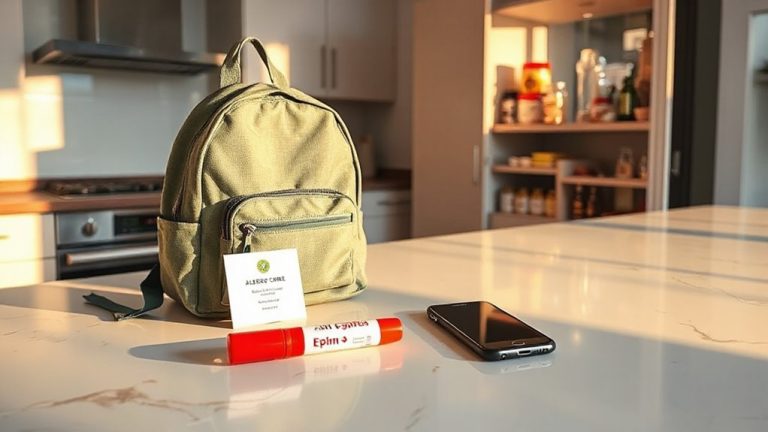
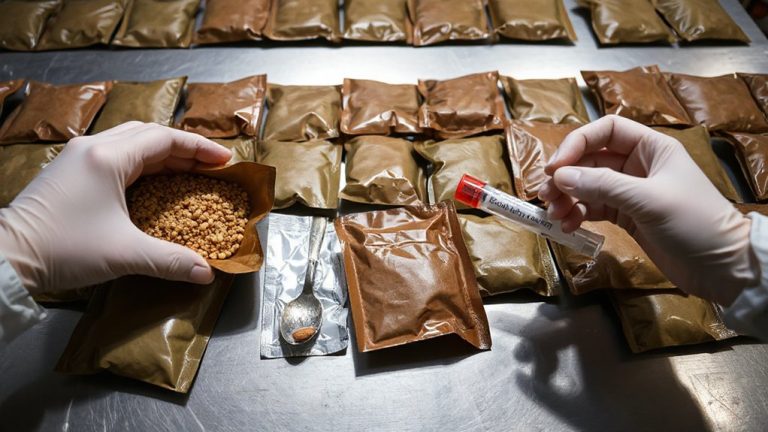
Every dialysis go-bag should include at least three full sets of dialysate solution, tubing, and catheter supplies-enough to cover one treatment with backups in case of delays or contamination. Maintaining dialysis hygiene is critical, so pack sterile gloves, antiseptic wipes, and disposable drapes. Use supply rotation to keep materials fresh-check expiration dates monthly and replace as needed. Store supplies in waterproof, labeled pouches for fast access.
| Item | Quantity |
|---|---|
| Dialysate solution sets | 3 |
| Catheter caps & tubing | 3 sets |
| Antiseptic wipes | 10+ |
This setup supports immediate use and reduces infection risk. Relying on outdated or exposed supplies increases complications. A well-rotated, sealed kit guarantees reliability when clinics are unreachable. Pack it, test it, trust it.
Contact Your Dialysis Center Before Evacuating
Why wait until the storm hits to figure out your dialysis access? Contact your dialysis center as soon as an evacuation is likely. Doing so guarantees you get updated emergency contacts and confirm transportation options. They can transfer your medical documentation to facilities along your route or at your destination. Waiting risks delays or treatment gaps. Most centers track patient status during emergencies, but only if you initiate communication. Provide your planned location and expected arrival time. Ask if the receiving center has capacity and compatible equipment. Keep printed and digital copies of your medical documentation, including treatment schedules and prescriptions. Update emergency contacts in their system before leaving. This step isn’t optional-it’s part of your treatment continuity. Proactive communication reduces uncertainty. It guarantees care isn’t disrupted when conditions change fast.
Map Routes to Dialysis Centers and Power Sources
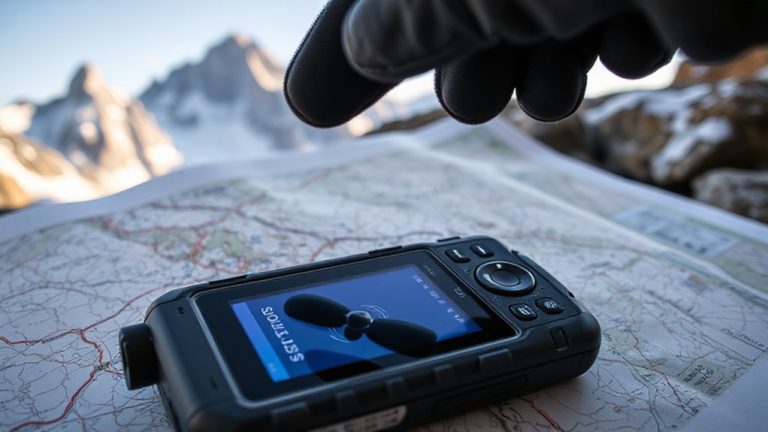
If you’re evacuating, you’ll need reliable routes to both dialysis centers and power sources, not just the fastest path out. Route planning must include backups in case roads are blocked or traffic is stalled. Power mapping guarantees you know where to recharge portable dialysis equipment-hospitals, shelters, or public charging stations. Don’t assume outlets will be available; verify access points ahead of time.
| Location Type | Power Access Expected? |
|---|---|
| Major hospitals | Yes, priority power |
| Emergency shelters | Sometimes, limited |
| Public libraries | Yes, during daylight |
| Gas stations | Rare, unreliable |
Use GPS apps with offline mode, but carry physical maps too. Test your planned route under real conditions if possible. Route planning paired with power mapping reduces risk during displacement and keeps treatment on schedule.
Recognize Why Portable Dialysis Is Critical in Emergencies
When disaster strikes and power grids go down, your dialysis treatment can’t stop-portable dialysis machines let you keep up with life-sustaining therapy even when you’re on the move. These devices weigh between 20 and 35 pounds, making them manageable for most adults and markedly improving patient mobility during evacuations. Unlike stationary units, they run on batteries or car adapters, providing up to 8 hours of operation per charge. That reliability is essential for emergency preparedness, especially when shelters lack medical infrastructure. You can’t assume hospitals will have capacity or power, so having a functional portable system means you maintain treatment continuity. Units like the NxStage System One have been tested in real-world evacuations, proving effective when time and resources are limited. Relying on fixed clinics puts you at risk-portable dialysis gives you control, reduces downtime, and aligns with practical survival needs when every minute counts.
Practice Your Evacuation Drills With All Equipment
You already know portable dialysis keeps you independent during outages and evacuations, but having the gear means nothing if you don’t know how to use it under pressure. Equipment familiarity reduces delays and mistakes when every minute counts. You need to handle setup, power connections, and tubing accurately-even in low light or tight spaces. Practice with your full kit every three months to build muscle memory. Drill coordination guarantees everyone in your household knows their role: who carries the device, who manages supplies, and where to meet if separated. Include time limits in drills to simulate urgency. Test battery life, backup power, and communication tools each time. Real-world conditions expose flaws no manual can predict. These drills aren’t just rehearsal-they’re performance evaluations. Adjust your plan based on timing, stress levels, and equipment performance. Consistent practice makes your response reliable, not just rehearsed.
On a final note
You need a working portable dialysis machine that runs on battery or solar power during outages. Pack extra filters, tubing, and cleaning supplies in your go-bag. Map nearby clinics and power sources, and confirm access before evacuating. Test your setup monthly under real conditions-batteries last 4–6 hours, so plan resupply. Portable dialysis isn’t perfect, but it beats missing treatments when roads are cut or power fails.