Assessing Risk of Carbon Monoxide Buildup in Sealed Rooms
You’re at risk of carbon monoxide buildup if you run fuel-burning appliances like stoves, heaters, or fireplaces in sealed rooms-limited oxygen causes incomplete combustion and CO production. Modern energy-efficient homes trap this odorless gas faster due to tight sealing. Early signs like headaches or nausea are easy to miss. A CO detector with a digital readout and 10-year battery gives reliable, low-maintenance protection. Proper venting and regular appliance maintenance cut risk. Knowing where and how to install safety gear changes outcomes.
Notable Insights
- Incomplete combustion in fuel-burning appliances produces carbon monoxide, especially in oxygen-deprived, sealed environments.
- Tight seals in energy-efficient homes limit air exchange, accelerating CO accumulation from malfunctioning or poorly vented devices.
- Gas stoves, wood fireplaces, portable heaters, and dryers can emit CO, particularly when improperly maintained or ventilated.
- Early CO poisoning symptoms include headache, dizziness, and nausea, often mistaken for illness or fatigue.
- CO detectors with digital readouts and proper placement at breathing height are essential for early, life-saving detection.
What Causes CO Buildup in Sealed Rooms?

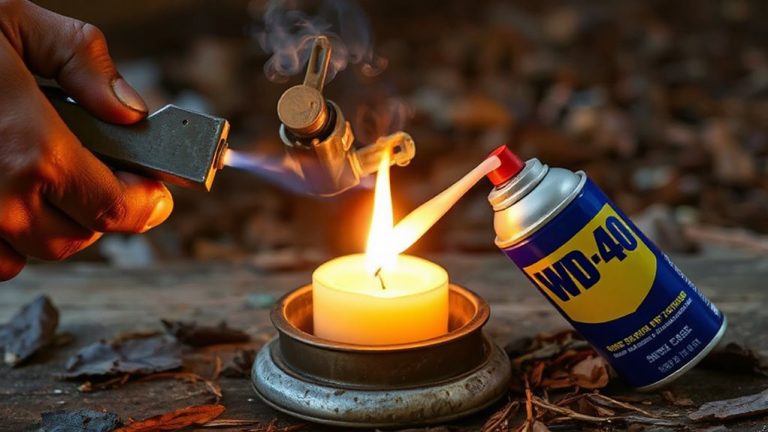
How does carbon monoxide end up accumulating in sealed rooms, and why should you care? When oxygen is limited, fuels burn inefficiently, leading to incomplete combustion. That’s when carbon monoxide (CO) forms instead of carbon dioxide. In sealed rooms, this risk increases because fresh air can’t enter to support full combustion. Devices that rely on burning fuel-like heaters or stoves-can silently produce CO if ventilation is poor. Thermal decomposition, the breakdown of materials under heat without burning, can also release CO, especially in overheated or malfunctioning units. Sealed environments trap these gases, letting concentrations rise to dangerous levels. CO is odorless and colorless, so you won’t notice until symptoms appear. You care because exposure can lead to poisoning, impairing oxygen delivery in your blood. Preventing buildup means ensuring airflow and avoiding unventilated fuel use-simple fixes that could save your life.
Which Appliances Produce Carbon Monoxide?
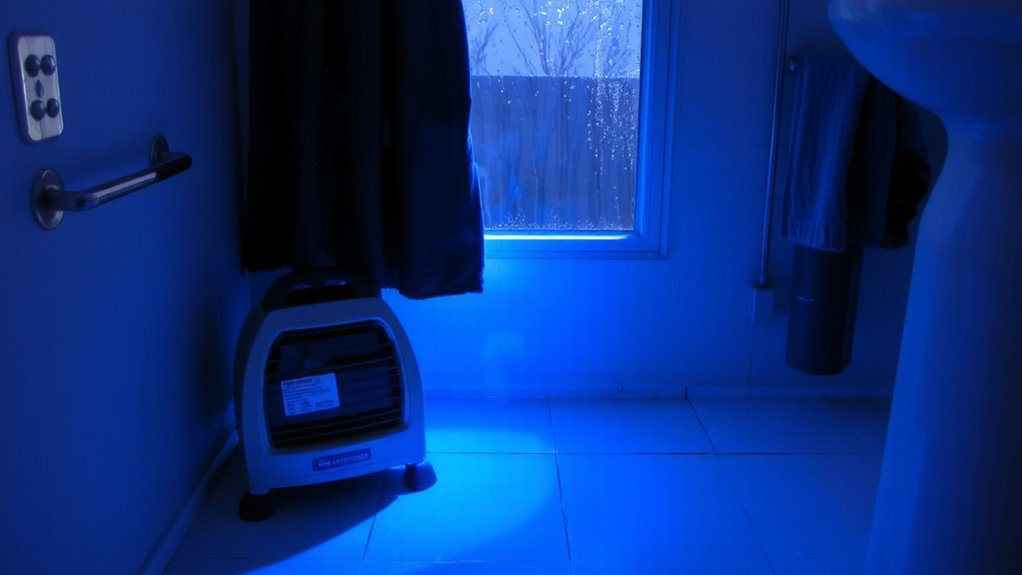
You’re at risk if you’re relying on common household devices without understanding their potential to emit carbon monoxide. Gas stoves produce CO during combustion, especially if ventilation is poor or burners run extended periods. You might not see or smell it, but improper airflow lets levels rise. Wood fireplaces are another source-burning solid fuel releases CO, and older models or blocked chimneys increase danger. Both appliances function normally under ideal conditions, but real-world use often deviates. You need consistent venting and intact flues to stay safe. Portable heaters, generators, and even clothes dryers can emit CO, but gas stoves and wood fireplaces are common in daily use, making them higher concern. You can’t assume modern means safe-age, maintenance, and usage patterns matter. Test your environment with a CO detector, not guesswork. Your survival hinges on recognizing hidden risks in familiar appliances.
Are Energy-Efficient Homes Riskier for CO?

Could tighter homes actually trap more danger than they save? Yes, if ventilation isn’t properly managed. Modern energy-efficient homes seal tightly to boost energy ratings, but that also limits air exchange. Without sufficient airflow, carbon monoxide from appliances can accumulate faster. Today’s building codes address this by requiring combustion air sources and proper venting for fuel-burning devices. Still, high efficiency doesn’t guarantee safety-especially in older retrofitted homes where upgrades outpace ventilation updates. A home built to strict energy ratings might reduce heating costs, but it can increase CO risk if exhaust paths are blocked or systems fail. You need both airtight design and active ventilation. Mechanical systems like heat recovery ventilators help balance efficiency and air quality. Don’t assume compliance with building codes eliminates risk-verify appliance venting and maintain all systems regularly. Safety hinges on design and upkeep, not just efficiency.
What Are the Early Signs of CO Poisoning?
Why do so many people miss the warning signs until it’s too late? Because the early symptoms of CO poisoning mimic common illnesses. You might feel a headache dizziness that you brush off as stress or fatigue. Nausea fatigue can seem like a bug, especially if others in the home feel similar. These signs often appear in multiple people or pets at once, which is a clue you’re dealing with air quality, not a virus. Headache dizziness usually starts first, often above the eyebrows or at the back of the head. Nausea fatigue follow, making you feel weak or disoriented. You won’t smell CO, so don’t wait for a scent. If symptoms fade when you leave the room, CO is likely. Recognizing headache dizziness, nausea fatigue early gives you time to act before confusion or unconsciousness sets in.
How to Ventilate Sealed Rooms Safely
How do you keep the air safe when a room’s built to stay airtight? You rely on planned airflow, not guesswork. Natural ventilation-like windows or louvers-works only if the design allows consistent air exchange, but many sealed rooms lack that option. That’s where mechanical exhaust comes in. A rated exhaust fan, sized to the room’s volume, removes contaminated air and forces fresh air in through intentional inlets. Units with constant runtime (8–10 CFM minimum) outperform passive systems during long closures. You need at least one active outlet per 500 cubic feet to avoid stagnation. Ducts must lead outdoors, not into attics or crawlspaces. Filters don’t remove CO, so focus on airflow rates and reliable motors. Balanced systems with intake and exhaust offer better control but cost more. You’re not making the room breathable-you’re managing airflow to reduce risk.
Simple Steps to Prevent CO Exposure
You’ve controlled airflow with mechanical ventilation, but that doesn’t stop carbon monoxide from building up if sources aren’t managed. Fuel-burning appliances like heaters, stoves, and generators produce CO and require proper maintenance to operate safely. Check burners, vents, and chimneys routinely-blocked or cracked components can release gas into the room. Perform regular inspection of seals and exhaust pathways; even small leaks compromise air quality. Don’t assume new equipment is risk-free-factory defects or improper installation can still cause issues. Use only appliances rated for indoor use, and never adapt outdoor devices for sealed environments. Keep exhaust paths unobstructed, and confirm flue gases exit the space. Simple errors in setup or neglect between uses increase risk. Prevention isn’t complicated, but it demands consistency-skip steps, and safety margins shrink fast.
Why You Need CO Detectors in Sealed Rooms
What good is airtight efficiency if you can’t detect a silent killer in your midst? You need CO detectors in sealed rooms because they alert you to colorless, odorless carbon monoxide before levels become lethal. Natural sources like faulty heaters or vehicle exhaust can seep indoors, and without ventilation, CO builds up fast. Structural vulnerabilities, such as cracks or poor seals around windows and ducts, let CO enter unnoticed. Detectors act as your first line of defense-units with digital readouts show real-time CO levels, not just alarms. A 10-year sealed battery model reduces maintenance, while sensors placed at breathing height improve accuracy. They’re not foolproof, but they’re the only way to monitor air quality continuously. Don’t rely on symptoms; by the time you feel dizzy or nauseous, it’s already dangerous. Install detectors where you sleep and spend the most time-no exceptions.
On a final note
You need a CO detector in every sealed room-it’s non-negotiable. Models with battery backup and digital readouts give real-time levels and work during outages. Ventilation gaps or trickle vents reduce risk but aren’t foolproof. No energy-efficient home is safe without them. Test detectors monthly; replace every five to seven years. CO exposure is measurable, preventable, and often silent-relying on symptoms means it’s already too late.