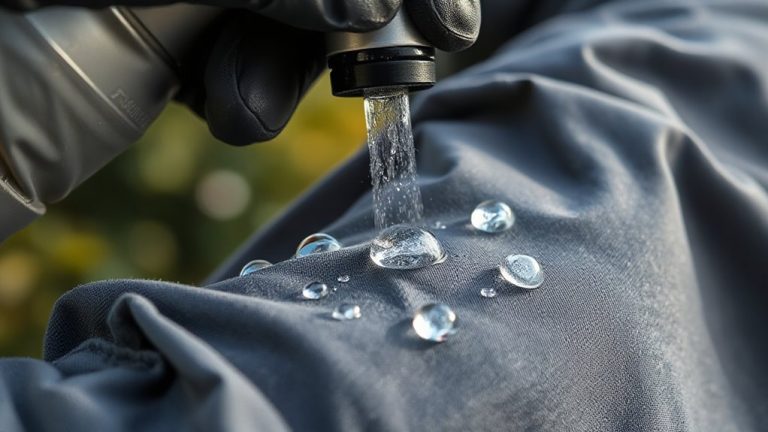
Purify Water From a Downed Fire Hydrant: Boil & Bleach Steps
You can’t safely drink water from a downed hydrant-pressure loss pulls in dirt, bacteria, and chemicals. First, filter debris using a mesh bag or cloth to remove sediments. Then either boil the water for 1 minute (3 above 5,000 feet) to kill pathogens, or treat with unscented bleach: 2 drops per quart, wait 30 minutes. Boiling won’t remove chemicals; bleach won’t filter particles. Use both steps for better safety. There’s more to contemplate when relying on emergency water sources.
Notable Insights
- Sudden pressure loss from a hydrant break causes backflow, pulling contaminants like dirt, bacteria, and chemicals into the water supply.
- Always pre-filter hydrant water using a mesh bag, cloth, or coffee filter to remove sediment before further treatment.
- Boil filtered water for 1 minute (or 3 minutes at high elevations) to kill pathogens, but note it won’t remove chemicals or metals.
- Disinfect clear, filtered water with 2 drops of unscented bleach per quart, allowing 30 minutes of contact time.
- Avoid using scented or additive-containing bleach, and double the bleach dose if water remains cloudy after filtering.
Why Hydrant Water Is Unsafe After a Break
While the water from a fire hydrant might look clean when it’s gushing out, you shouldn’t assume it’s safe to drink after a break-because it’s not. Pressure fluctuations during the incident can force contaminants into the system, reversing normal flow and pulling in debris. That sudden shift compromises water quality even if the source was initially clean. Mineral leaching also becomes a concern, as corroded pipes release iron, lead, or copper into the water when disturbed. You’re not just dealing with dirt-you’re facing invisible chemical risks. This water hasn’t been tested or treated post-break, so relying on appearance is misleading. Filters rated for heavy metals and pathogens are necessary, but prevention beats correction. Boiling won’t remove leached minerals or chemicals. Your safest move is to avoid consumption entirely until authorities confirm the system’s stability and purity through testing. A reliable water filtration system can help remove contaminants if used properly after water safety is confirmed.
How a Broken Hydrant Spreads Contamination
When a fire hydrant breaks, the sudden loss of pressure doesn’t just spill water-it kicks off a chain reaction that pulls contaminants into the system from unexpected places. Hydrant pressure loss reverses normal flow, sucking in dirt, chemicals, and bacteria through cracks or service lines. You’re not just dealing with surface runoff; groundwater and nearby pollutants get drawn directly into the supply. This reversal also causes major sediment disturbance, stirring up rust, heavy metals, and biofilm that cling to pipe walls. Once mobilized, these contaminants spread quickly through the network, reaching taps you might assume are safe. Even after pressure returns, discolored water signals lingering issues. The system’s design doesn’t filter what’s been pulled in during the event. You can’t see most contaminants, but they’re present. This isn’t theoretical-field tests confirm microbial spikes and particulate surges post-break. Addressing this starts with understanding how far contamination travels, not just visible damage. Using a portable water filter for survival can effectively remove many of these hidden contaminants when tap water is compromised.
Filter Debris From Hydrant Water First
You can’t treat water safely if the filter clogs first, so removing visible debris upfront is a must after a hydrant break. Start with coarse filtration to improve water clarity and enable finer filters to work efficiently. Sediment removal at this stage prevents damage to purification equipment and extends filter life. Use a multi-step approach: settle large particles, then pre-filter through cloth or a dedicated mesh. Below are three common pre-filter options and their effectiveness:
| Method | Sediment Removal | Water Clarity Gain |
|---|---|---|
| Coffee Filter | Moderate | Medium |
| Cotton Cloth | Low | Low |
| Portable Mesh Bag | High | High |
Mesh bags handle heavy debris best. Cloth works in a pinch but clogs faster. Always filter before chemical or UV treatment to guarantee reliable results. Upgrading to a high-quality water filter system can significantly improve contaminant removal, especially when dealing with compromised water sources like those affected by a hydrant break, with best water filters offering advanced sediment and chemical reduction.
Can Boiling Make Hydrant Water Safe?
Could boiling turn hydrant water into something safe to drink? Yes, but only if done correctly. Boiling kills most pathogens, making the water safer, but it won’t remove chemical contaminants or debris. You need to filter the water first. Once filtered, bring it to a rolling boil-a water temperature of at least 212°F (100°C) at sea level. Maintain that boiling duration for at least one minute; at elevations above 5,000 feet, extend it to three minutes to account for lower boiling points. This method is reliable for microbial safety, but it uses fuel and time. It also leaves behind no residual protection-once cooled, the water can be recontaminated. Boiling works well as a short-term solution when filters and bleach aren’t available. It’s effective, simple, and requires only heat and a container. Just don’t skip the prep or timing.
Disinfect Hydrant Water With Bleach
A clean quart of hydrant water takes about 2 drops of unscented household bleach with 5–6% sodium hypochlorite to disinfect it-if the water’s already been filtered and is clear. You’ll need to adjust the bleach concentration if the volume or clarity changes. For cloudy water, double the dosage and let it sit longer. Always use unscented bleach-no additives. The contact time is essential: let the treated water sit, covered, for at least 30 minutes before drinking. If it’s cold (below 45°F), extend contact time to 60 minutes.
| Volume | Bleach Drops (5–6%) |
|---|---|
| 1 quart | 2 |
| 1 gallon | 8 |
| 5 gallons | 40 |
| 10 gallons | 80 |
Higher bleach concentration or longer contact time kills more pathogens, but too much bleach tastes bad. Measure carefully.
Best Portable Filters for Hydrant Water
When seconds count and water access is critical, portable filters can turn hydrant runoff into safe drinking water-no boiling or chemicals required. You need a filter that balances filter efficiency and flow rate without failure. Models like the Sawyer Mini and LifeStraw Mission offer 0.1-micron hollow fiber membranes, removing bacteria and protozoa reliably. The Sawyer delivers a flow rate of about 1,000 gallons with minimal clogging, though it slows if water is muddy. LifeStraw’s 2-liter gravity bag filters 4 liters per minute, better for groups. Filter efficiency drops with turbid water-pre-straining helps. Most units don’t remove viruses or heavy metals, so check local risks. Weight, durability, and ease of cleaning matter in emergencies. A clogged filter is useless, so choose one with a cleanable design. You’re not just buying a tool-you’re securing a lifeline that performs under pressure.
When to Avoid Hydrant Water: Even Treated
Why settle for risky water when the source itself might be the problem? Even if you treat hydrant water, some dangers persist. Chemical leaching from damaged pipes can introduce heavy metals or solvents that filters don’t fully remove. Bacterial regrowth in stagnant sections of the system may survive purification, especially if the water sat too long. These risks remain no matter your filter’s quality.
| Risk | Can Treatment Fix It? |
|---|---|
| Chemical leaching | No |
| Bacterial regrowth | Sometimes |
| Sediment load | Yes |
| Chlorine byproducts | Partially |
| Unknown contaminants | Unlikely |
You can’t ID these issues on-site, and labs take time. If the hydrant’s been offline, or the area has industrial runoff, skip it. Opt for a verified municipal source instead. Your gear can only do so much-don’t push it beyond limits.
On a final note
You can treat hydrant water, but it’s risky. Filter debris first with a portable filter rated for sediment. Boiling kills bacteria but won’t remove chemicals or heavy metals. Use unscented bleach-8 drops per gallon-if you must disinfect. Even then, lingering contaminants may remain. High-quality filters like those with activated carbon or reverse osmosis offer better protection. When in doubt, skip it-especially if the hydrant was near industrial areas or flooding.