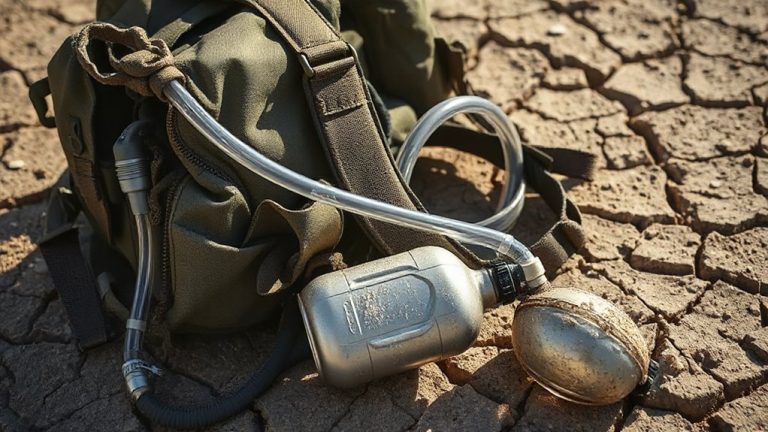
Balancing Plant and Animal Proteins in a Wilderness Survival Diet
You need both plant and animal proteins in the wild because plants alone lack essential amino acids, while meat-only diets risk rabbit starvation. Aim for 0.5–0.8 grams of protein per pound of body weight daily, combining sources like fish with cattail root or insects with acorns. Cooking seeds like amaranth boosts digestibility. Use snares and fishing for efficient animal protein. Balance guarantees energy, muscle maintenance, and resilience-optimal survival hinges on this mix.
Notable Insights
- Combine plant and animal proteins like beans with small game to achieve complete amino acid profiles.
- Rely on animal proteins for all nine essential amino acids, which are often lacking in plant sources.
- Use efficient methods like snares and fishing to obtain animal protein without excessive calorie expenditure.
- Pair calorie-stressful plant proteins with fats or carbs, such as insects with acorns, to prevent energy deficits.
- Include complete plant proteins like amaranth or quinoa when available, and cook them to improve digestibility.
Why You Need Both Plant and Animal Proteins in the Wild
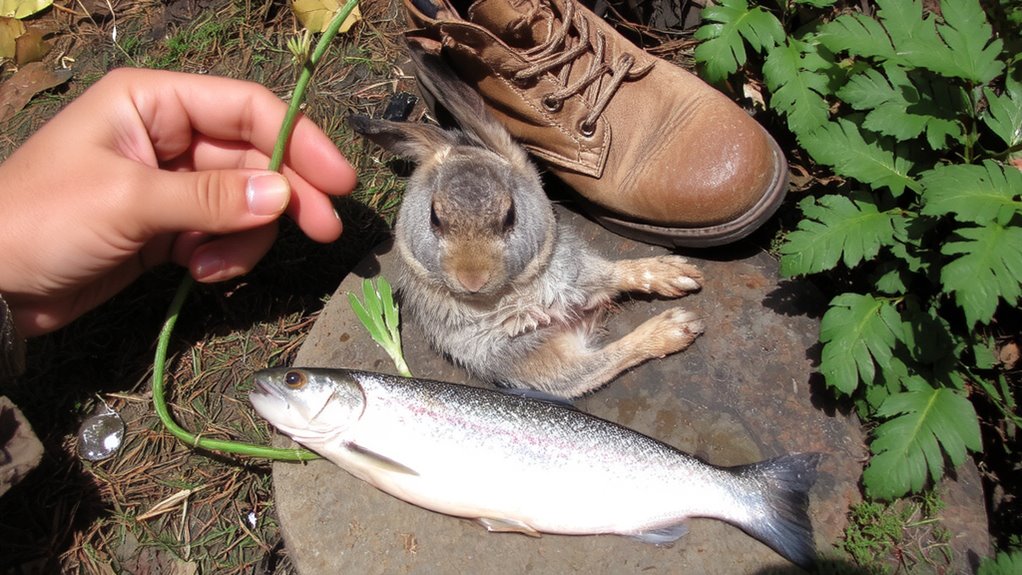
While plant proteins can keep you going, they won’t sustain you long-term in the wild unless you pair them with animal sources. You need complete amino acid profiles, and most plants lack one or more essential amino acids. Animal proteins provide all nine, ensuring amino balance. Combining plant and animal sources creates protein synergy-your body accesses a fuller range of building blocks, improving tissue repair and energy. Beans with small game, nuts with fish, even insects with seeds-these combinations work better than either alone. Relying solely on plants risks muscle loss, weakened immunity, and fatigue. Animal proteins are more bioavailable and calorie-dense, vital when resources are scarce. You’ll perform better, stay stronger, and maintain stamina. Don’t overlook either source. In survival, efficiency matters. Mix both to close nutritional gaps and support long-term resilience. The trade-off? More effort sourcing varied foods. The payoff? Sustained health when it counts.
How Much Wild Protein Can You Really Survive On?
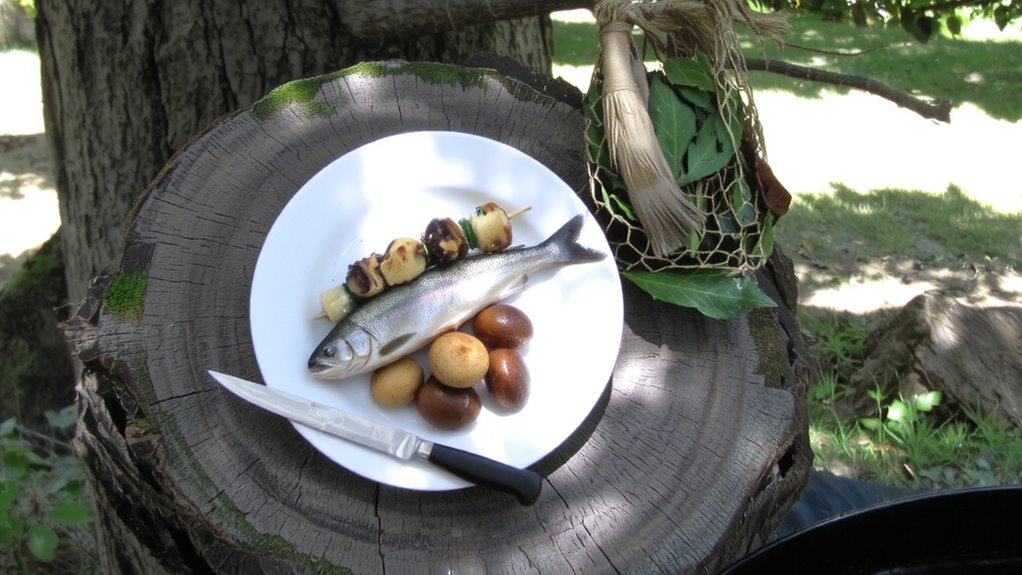
You can survive on as little as 0.35 grams of protein per pound of body weight daily, but aiming for 0.5 to 0.8 grams keeps muscle, supports metabolism, and maintains strength in the wild. Most wild game and edible plants provide enough protein to meet these levels without effort. However, relying too heavily on lean meat without fat or carbs risks protein overconsumption, which your body can’t store. Excess protein forces the liver to break it down, increasing water demand and causing energy depletion-a condition known as rabbit starvation. To avoid this, balance protein intake with available fats and carbohydrates from plants or animal organs. In practice, eating varied sources guarantees you stay within safe protein thresholds while maintaining caloric needs. A 150-pound person needs about 75–120 grams of protein daily; beyond that, returns diminish and risks rise, especially without adequate fuel sources.
Best Wild Plants That Give You Complete Protein
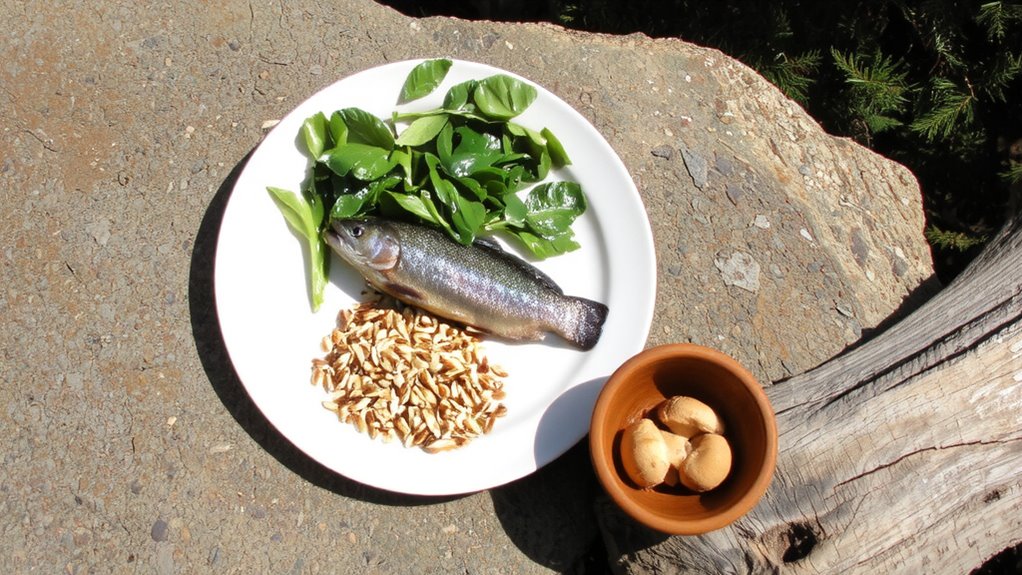
Survival hinges on smart choices, and among wild plants, few deliver complete protein-meaning they contain all nine essential amino acids. You can rely on amaranth and quinoa, both boasting balanced amino acid profiles comparable to animal sources. These plants offer usable protein without requiring you to combine multiple foods. Amaranth seeds, when parched and ground, yield about 14g of protein per 100g, with protein digestion rates similar to legumes. Quinoa, though harder to find in the wild, provides a high-quality profile and moderate digestion speed, making it efficient under calorie stress. Chia seeds, if accessible, also deliver complete protein with favorable amino acid profiles. But remember, cooking improves digestibility and reduces antinutrients. You’ll get more usable protein from processed seeds than raw. Focus on proven staples-don’t gamble on rare or untested plants. Your body needs reliable fuel, and these options meet the baseline with measurable returns.
Smart Ways to Get Animal Protein Without Wasting Energy
How do you secure animal protein without burning more calories than you gain? Use trapping techniques that require minimal daily effort but deliver consistent results. Snares made from wire or cordage, placed along game trails, work while you conserve energy. They’re effective for small mammals and don’t demand constant attention. Prioritize fish in your planning-fishing efficiency outweighs hunting. A well-set line with a hook or improvised spear can yield food with low exertion, especially near dawn or dusk. Still-fishing with natural bait requires little movement. Avoid chasing prey; it burns too many calories for uncertain returns. Focus on passive methods that maximize gain with minimal input. Traps and passive fishing offer the best ratio of protein per energy spent. These approaches are proven in real survival scenarios, where conserving strength is as essential as finding food.
How to Combine Wild Foods for Maximum Strength
Why settle for mere sustenance when you can build real resilience from what the wild provides? You boost strength by pairing animal and plant foods for nutrient synergy. Eating wild game with fibrous greens improves mineral absorption. Combining nuts with berries prolongs energy release. Prioritize foraging efficiency by selecting pairs that grow nearby and require minimal prep.
| Food Pair | Benefit |
|---|---|
| Fish + cattail root | High protein + carbs for recovery |
| Deer liver + dandelion | Iron + vitamin C uptake |
| Insects + acorns | Fat + protein balance |
| Rabbit + wild onion | Enhanced flavor and digestion |
| Eggs + purslane | Omega-3s + antioxidants |
These combinations support endurance and tissue repair. You won’t waste time or calories sourcing mismatched items. Practical pairings mean fewer trips and stable energy. You survive better when nutrition works together.
What Happens If You Eat Only Meat or Only Plants?
A diet of all meat or all plants cuts out half the equation when it comes to staying sharp and strong over time. If you eat only meat, you’ll get plenty of protein and fat, but you’ll miss fiber and vitamin C, increasing your scurvy risk within weeks. Constipation, fatigue, and gum deterioration follow. You might start strong on a meat-only plan, but eventually face a keto crash-sudden energy drop, mental fog, and irritability-especially if you’re active. On the flip side, surviving on plants alone lacks complete amino acids and vitamin B12, weakening muscles and slowing recovery. Plant diets also provide less dense calories, forcing you to eat large volumes. Neither extreme supports long-term function. Each lacks nutrients the other supplies. Balance isn’t ideal-it’s necessary. Your body doesn’t adapt forever; it deteriorates.
3 Realistic Wild Diet Plans (Balanced for Survival)
While nature doesn’t deliver balanced meals on a plate, you can build a survivable diet from wild sources if you combine plant and animal foods intentionally. You’ll need both for essential amino acids, vitamins, and sustained energy. Prioritize small game and fish for lean protein and pair them with calorie-dense plants like nuts, roots, and edible greens. Boost foraging efficiency by focusing on seasonal, abundant species-this reduces energy spent and increases net gain. Use simple food preservation methods such as drying meat in sunlight or smoking over a fire to extend shelf life and prevent spoilage. You won’t eat perfectly, but mixing animal fats with fibrous plants improves digestion and nutrient absorption. A 60:40 ratio of plant to animal by weight is practical in most biomes. Test local sources gradually to avoid digestive issues. This approach balances caloric yield, safety, and effort.
On a final note
You need both plant and animal proteins to stay strong in the wild. Relying only on meat risks nutrient gaps; depending only on plants may leave you short on calories and essential amino acids. Combining wild sources-like lean game with edible greens or seeds-gives you complete proteins and better energy. It’s practical, balanced, and sustainable. This mix supports endurance, repair, and long-term survival without wasted effort.