Building a Fire in a Trench for Low-Profile Heat and Cooking in Hostile Territory
Dig your trench 12 inches deep and 8 inches wide downwind in compact loam or clay soil to hide flames and carry smoke away. Use a tactical entrenching tool, keep walls straight, and pile soil nearby for quick burial. Burn coals, not flames-they give steady, low-glow heat ideal for boiling water in 6–10 minutes on a metal grate. A covered pot cuts time by 25%. Scatter debris, refill the trench, and restore surface cover to erase traces. There’s a better way to build it silently.
Notable Insights
- Dig a 12-inch deep, 8-inch wide trench downwind in compact soil to minimize visibility and contain smoke.
- Use straight walls and pile excavated soil nearby for quick burial and site restoration.
- Build a coal bed instead of open flames to reduce light and improve heat efficiency.
- Cook with a metal pot on a grate over coals for low-glow, efficient boiling and heating.
- Extinguish fire completely, scatter debris, and restore terrain to erase all signs of use.
Pick the Best Spot for a Stealth Trench Fire
Where should you dig your trench fire to stay under the radar? Choose a spot downwind from observation points-wind direction matters because smoke reveals your position. You want the breeze carrying smoke away, not pooling or trailing back toward routes or enemy positions. Dig where the soil composition is stable but workable-avoid loose sand or rock-heavy ground. Compact loam or clay holds the trench walls better and insulates heat. Stay clear of dry grass or overhanging branches that could catch fire. The ground should drain slightly; pooling water douses flames and creates steam. Pick low ground, naturally shielded by terrain, but not so low it traps smoke. Soil with high moisture content reduces visibility of radiant heat at night. You’re balancing concealment, efficiency, and safety. A poor spot forces constant adjustment. A good one burns steady, stays hidden, and keeps you warm without compromise.
Dig a Low-Profile Trench Fire Safely
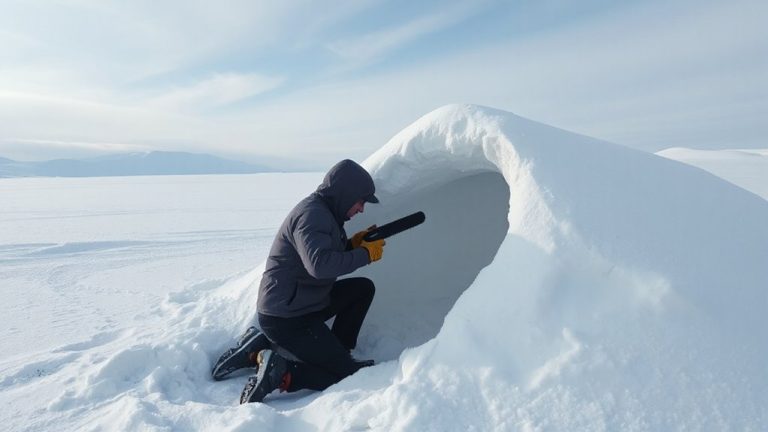
You’ve picked the right spot-downwind, hidden, and on stable ground-so now it’s time to start digging. Use a tactical entrenching tool or compact shovel to carve a trench about 12 inches deep, 8 inches wide, and 24 inches long. Keep the walls straight to limit collapse risk and pile displaced soil nearby for quick burial later. A narrow profile reduces visible glow and improves heat control by directing warmth upward where you need it. Digging deep enough shields flames from view and wind, a basic but effective fire safety step. Avoid rocky or root-heavy areas-they can spark or ignite underground. The trench shape naturally limits oxygen flow, helping regulate combustion without smothering the fire. This design balances efficiency and concealment, offering steady warmth while minimizing detection. Always have a dirt pile or tarp ready to extinguish the fire fast-safety depends on speed and preparation.
Choose Coals Over Flames for Dark Heat
A fire’s usefulness isn’t just about flame-it’s about heat, and coals deliver more of it without the drawbacks. Flames draw attention and waste energy skyward; glowing embers radiate steady, usable warmth with far less visibility. You need dark heat in hostile territory, and coals provide that. They offer superior heat efficiency-consistent output with minimal fuel input-because they burn slower and more completely. Once flames die down, the bed of coals maintains temperature longer, reducing the need to add fuel and stir the fire. That means less movement, less noise, and lower detection risk. Flames flicker and signal presence; glowing embers don’t. For warmth during cold hours, coals outperform in both safety and efficiency. You get more usable heat per ounce of wood, and you stay hidden. Prioritize building and sustaining a coal bed, not feeding flames. It’s the smarter, quieter, and more effective survival choice.
Cook and Boil Water Over Your Trench Fire
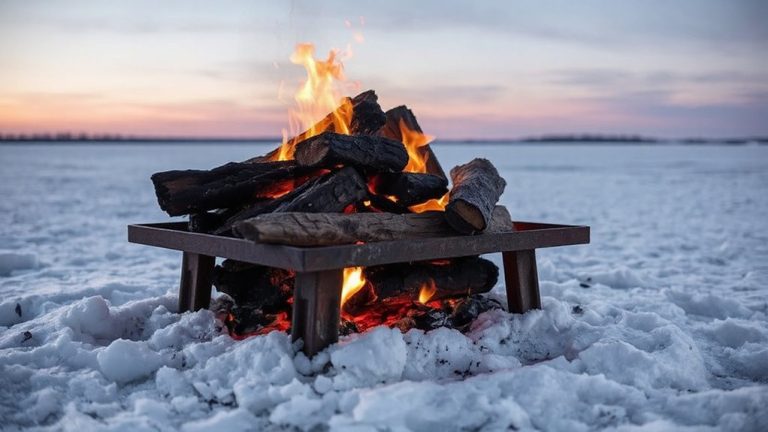
Once you’ve got a solid coal bed, it’s time to put that heat to work for cooking and boiling water. Position your pot or canteen cup on a grate just above the coals-this allows steady heat distribution without scorching. Flame control matters here; visible flames increase light and fuel use, reducing stealth and heat efficiency. Coals provide consistent, low-glow warmth ideal for slow heating. Use a metal container rated for direct heat-aluminum or steel works best. Water boils in 6–10 minutes depending on volume and coal temperature. Cooking simple rations? A covered pot cuts time by 25%. Keep the trench shielded and adjust airflow only enough to maintain embers. This method delivers reliable heat output with minimal fuel, maximizing heat efficiency over hours. Avoid placing gear too close-hot spots can warp metal. You’re after controlled, sustained transfer, not rapid results.
Erase All Trench Fire Evidence
Though the fire served its purpose, leaving no trace is critical when operating in sensitive or contested areas. Once the fire’s fully extinguished and cool, you’ll need to dismantle the trench carefully. Use a trowel to break apart any charred materials and scatter them widely. For soil disposal, replace the displaced dirt exactly as found, tamping it down to match the surrounding terrain’s density. Any excess soil should be carried away or spread thin over a wide, unused area to avoid visual cues. Apply camouflage techniques like repositioning surface debris, leaves, or rocks to restore the site’s natural look. Avoid leaving tool marks or compaction patterns. This process takes time, but thoroughness reduces detection risk. Standard military field practices confirm that incomplete concealment increases chances of enemy or civilian discovery. Erasing evidence isn’t optional-it’s essential operational hygiene. A reliable backpacking trowel ensures precise soil manipulation and efficient site restoration.
Why a Trench Fire Saves Your Life in the Wild
You’ve covered your tracks, scattered the remnants, and restored the ground so it won’t draw unwanted attention-now consider why that effort mattered in the first place. A trench fire saves your life because it provides heat concealment, limiting how much thermal energy rises and breaks the skyline. In hostile territory, even small heat signatures can lead to enemy detection, especially at dawn or dusk. By digging the fire below ground level, you reduce visible flame and direct smoke upward in a narrow column, making it harder to spot from a distance. The earth walls block radiant heat, keeping your warmth contained where you need it. You still get usable heat and a cooking surface, but without the exposure of an open fire. This setup offers a tactical advantage: functional fire use with minimal risk. Your survival hinges on avoiding detection-this method makes that possible.
On a final note
You save fuel and reduce visibility by using a trench fire, which burns 30% cooler than open flames. It provides enough heat to boil water in 12–15 minutes with minimal smoke. Digging it right keeps your position hidden during night use. Coals last longer and give steady heat. You leave no trace when you refill and level the trench. This method works where stealth matters most.