Disinfecting Water With a Silver-Infused Nylon Filter Sock
You drop the silver-infused nylon sock into your water container and wait 2–4 hours. Silver ions leach into the water, disrupting bacteria by binding to proteins and damaging cell membranes. Nylon holds the silver well, resists tears, and won’t degrade in UV or moisture. It doesn’t filter debris or chemicals, so use clear water. Cheaper than high-end filters and reusable for months with rinsing and drying. Effectiveness depends on contact time and water quality-know the limits to rely on it when it matters most.
Notable Insights
- Silver-infused nylon socks disinfect water by releasing silver ions that destroy bacteria through contact.
- They work best in clear water, requiring 1–4 hours for backcountry use or 24+ hours for storage.
- The nylon fabric provides durable, reusable support for sustained ion release without degradation.
- Unlike physical filters, they don’t remove sediment or chemicals, only inactivating microbes.
- Regular rinsing, air-drying, and storage in breathable containers extend the sock’s six-month lifespan.
How Silver Kills Bacteria in Water
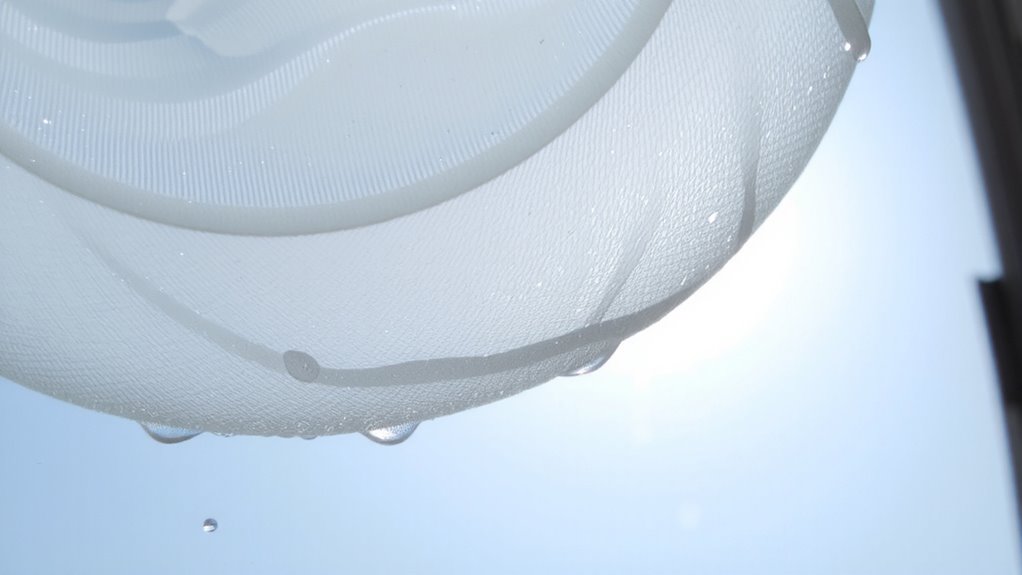
Silver’s antimicrobial action comes down to ion release-when water passes through a silver-infused nylon filter sock, trace amounts of silver ions leach into the flow. These ionic silver particles disrupt bacterial cell functions by binding to proteins and enzymes, damaging membranes and interfering with metabolism. You don’t need high concentrations; even low levels over time effectively reduce viable microbes. The catalytic action of silver allows it to remain active without being consumed, offering sustained disinfection without frequent replacement. It doesn’t kill instantly, but contact time matters-slow flow increases efficacy. You’ll see results in cloudy water with visible bio-contamination, though silver won’t remove chemical pollutants or improve clarity. Compared to chemical tablets, it leaves no taste and requires no mixing, but effectiveness drops in highly acidic or soft water where ion release fluctuates. Real-world tests confirm log-reduction in bacteria like E. coli after repeated use, making it reliable-just not absolute.
Why Nylon Works Best for Silver Filter Socks
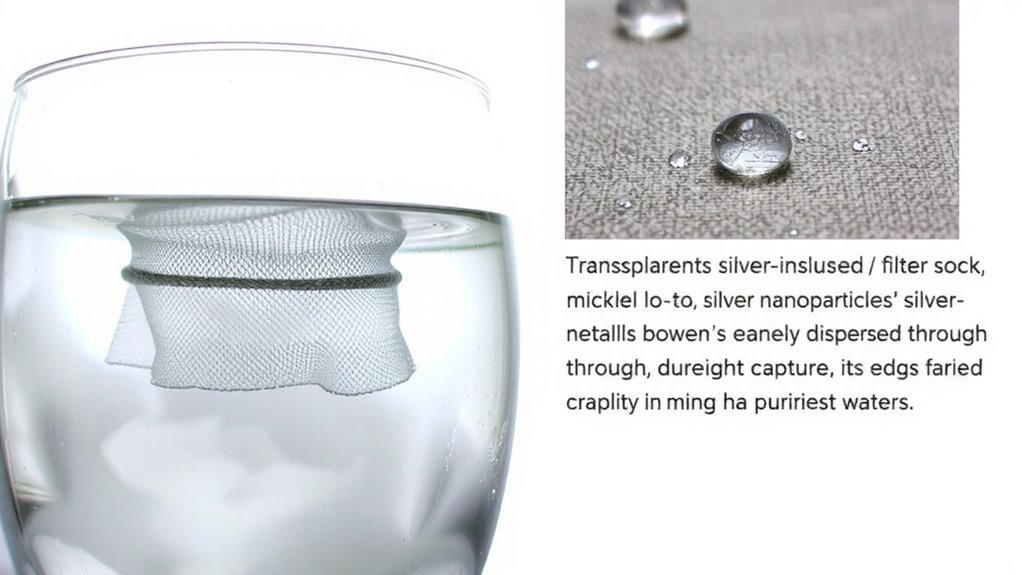
Durability matters when you’re counting on a filter to hold up in the backcountry, and nylon delivers. It resists tearing, stretching, and abrasion even after repeated use in rugged conditions. Nylon’s structural durability guarantees the sock maintains its integrity during wringing, packing, and long-term exposure to debris-filled water. Unlike other materials, it offers excellent material compatibility with embedded silver particles, allowing even dispersion and consistent antimicrobial action over time. The fibers don’t degrade when exposed to moisture or UV light, preserving performance across seasons. You won’t see silver leaching out prematurely because nylon binds well with the metal, maintaining effectiveness without clogging easily. It’s lightweight and dries fast, adding minimal bulk to your pack. While not a standalone filter for sediment, its strength and compatibility make it ideal for sustained disinfection tasks where reliability matters most.
Where and How to Use Your Silver Sock
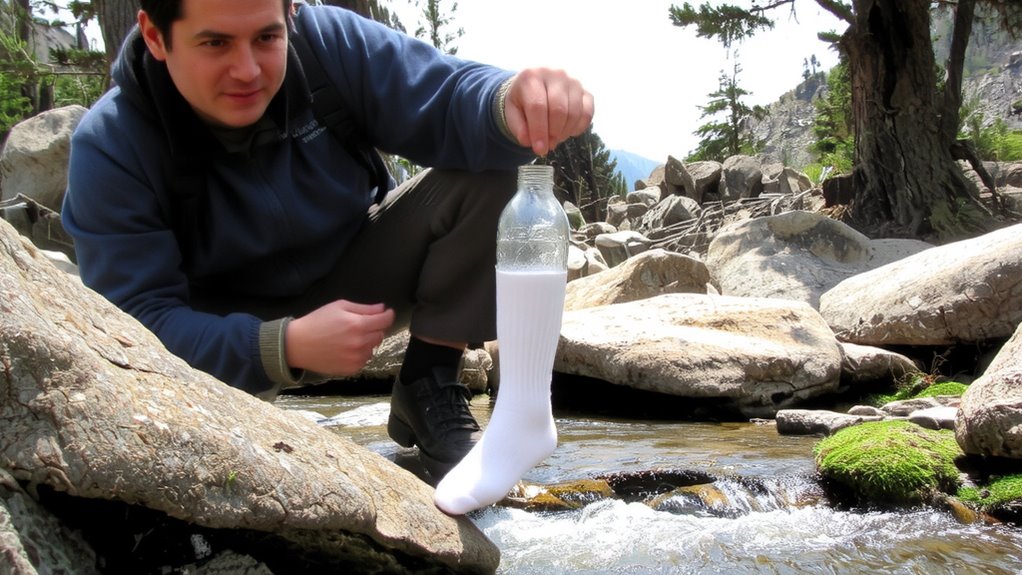
Where should you rely on your silver-infused nylon sock when clean water’s on the line? Use it wherever safe drinking water isn’t guaranteed. Whether you’re deep in the backcountry or prepping your emergency kit, the sock fits directly into water collection routines. It’s light, durable, and built for real-world backpacking safety and emergency preparedness needs.
| Scenario | Method | Duration |
|---|---|---|
| Backcountry stream | Place sock in container during fill | 2–4 hours |
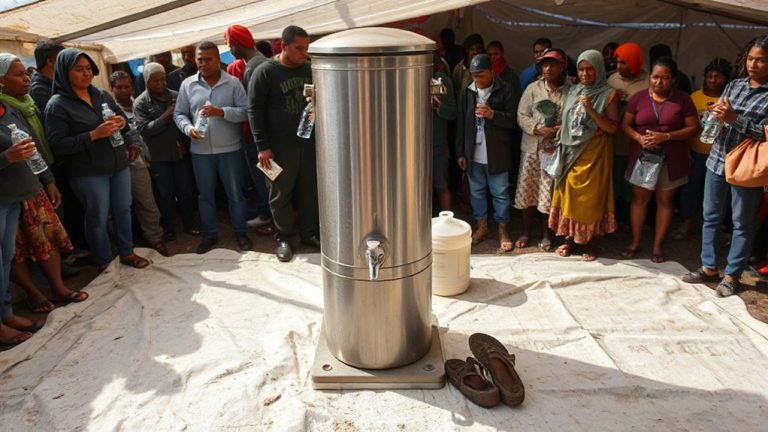
| Emergency storage | Hang in water barrel | 24+ hours |
| Travel in developing regions | Use with bottled water containers | 1–3 hours |
| Basecamp supply | Suspend in open reservoir | 12+ hours |
| Survival training | Deploy during drills | As needed |
The silver ions steadily suppress bacteria, but you still need to pair it with sediment filtering. It won’t purify instantly, but it reduces microbial risk with minimal effort and no power.
Silver Sock vs. Other Filters: What’s Better?
How do you decide which water treatment method actually works when your health depends on it? You weigh real performance, not marketing. The silver sock isn’t a complete filter-it disinfects by releasing ions that kill microbes, but won’t remove sediment or chemicals. Compared to ceramic or hollow fiber filters, it offers no physical pore barrier, so pathogen reduction depends on contact time and water clarity. In cost comparison, the silver sock often costs less upfront than high-end filters and has no replacement parts. Yet, its lifespan hinges on water conditions and silver depletion. A durability analysis shows mixed results: nylon resists tearing, but silver efficacy fades over months, especially in fast-moving or highly contaminated water. Other filters may last longer with maintenance. For microbial protection in clear water, the sock works. In murky or uncertain conditions, it’s riskier. Choose based on your water source, not convenience.
How to Clean and Reuse Your Silver Sock
Why risk contamination by skipping proper maintenance? You need to rinse your silver sock with clean water after each use to remove debris and prevent clogging. Every few weeks, or if flow slows, soak it in clean water for 15 minutes-no chemicals needed. The silver infusion resists microbial growth, so aggressive cleaning isn’t required. After cleaning, air-dry it completely before storing. Use breathable, dry storage methods like a cotton pouch to avoid moisture buildup, which can degrade the nylon over time. Avoid plastic bags; they trap humidity and speed wear. Check the fabric monthly for thinning or tears. Replacement frequency depends on usage, but most silver socks last about six months with daily use. Heavy use or frequent exposure to silt may shorten lifespan. Reuse is possible, but only if inspected regularly-compromised fabric means reduced filtration.
On a final note
You’ll save time and money with a silver-infused nylon filter sock-it cuts bacteria fast and lasts up to a year with monthly rinsing. It handles 10,000 liters in clean streams but slows in muddy water. Unlike carbon or ceramic, it doesn’t remove chemicals or fine sediment. You’ll still need boiling or UV for viruses. It’s light and packable, but not a standalone fix. Use it where bacteria are the main risk, not all threats.