Creating Emergency Communication Protocols Using Satellite Devices
You need satellite communication that works when cell signals fail-steep canyons, forests, and valleys demand devices proven in real conditions, not just specs. Choose rugged, reliable hardware with global coverage like Iridium. Test signal strength under tree cover and in ravines, and guarantee firmware and GPS are current. Train teams to send SOS under 15 seconds and move to open zones when needed. Real-world testing beats marketing every time-consistency in harsh terrain is non-negotiable. The best protocols are built on data, not assumptions, and verified through repeated field trials where failure isn’t an option.
Notable Insights
- Assess communication needs in remote, obstructed terrain to ensure reliable signal performance in canyons, forests, and valleys.
- Select durable satellite devices with global coverage, prioritizing networks like Iridium or Globalstar for consistent connectivity.
- Configure devices with updated firmware, GPS lock, and unique identifiers to enable accurate tracking and messaging.
- Train personnel to activate SOS within 15 seconds and move to open areas for better signal transmission.
- Conduct regular real-world testing of message delivery and update protocols if failure rates exceed 5% or delays surpass 2 minutes.
Assess Your Emergency Communication Needs
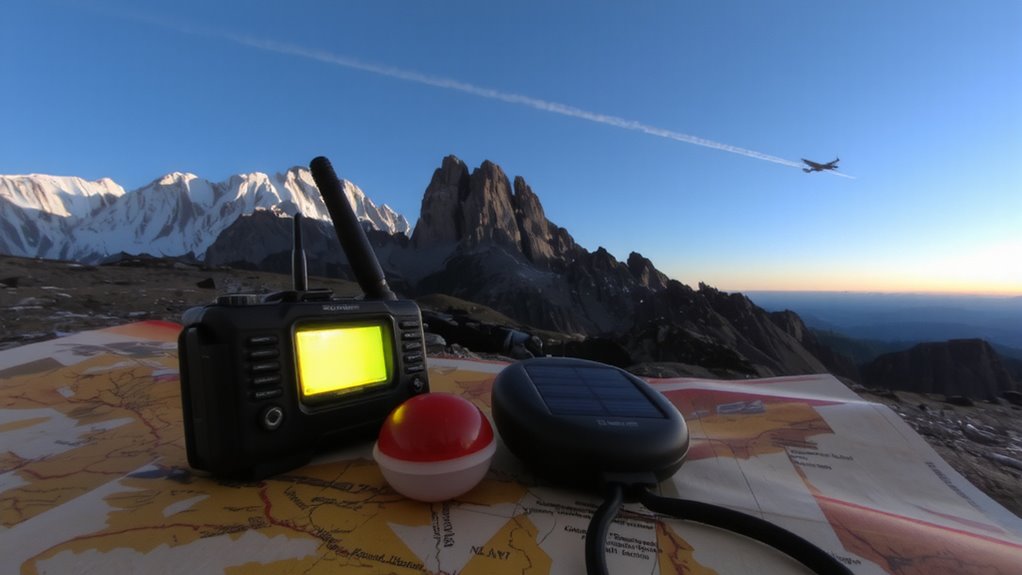
What do you actually need when things go sideways? Reliable communication, plain and simple. You need a device that maintains signal strength even in remote areas where terrain challenges block standard transmissions. Think steep canyons, dense forests, or deep valleys-places where your phone fails and radios fall short. Assess how often you operate in such environments, because that shapes your needs. A unit with weak signal strength won’t help when every second counts. Terrain challenges degrade performance, so your device must compensate with reliable uplink capability. Consider message delivery success rates, not marketing claims. Test in real conditions, not just ideal ones. Some devices work well on open ridges but fail below tree cover or in ravines. Know the limitations. Build your protocol around verified performance, not hope. That’s how you stay connected when it matters most-without overstating what your gear can do. For dependable connectivity in extreme conditions, choosing one of the best satellite phones can make all the difference.
Choose the Right Satellite Device
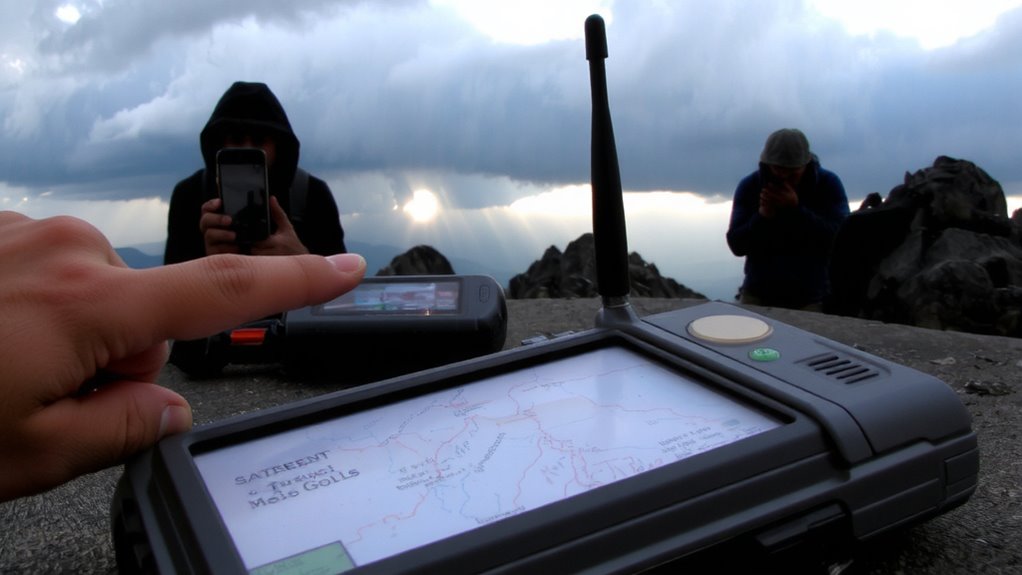
You’ve already figured out what your emergency communication needs look like-now it’s time to match those needs with a satellite device that can actually deliver. Choose a model built for real-world conditions, not just specs on paper. Device durability matters-look for waterproofing, shock resistance, and a proven track record in extreme environments. If it can’t survive a drop or a downpour, it won’t help when you need it most. Signal reliability is just as critical. Pick a device with consistent global coverage, ideally backed by a robust satellite network like Iridium or Globalstar. Test it in remote areas to confirm it connects when cell networks fail. Battery life, size, and ease of use are trade-offs, but don’t sacrifice performance for convenience. Prioritize proven function over features you won’t use in an actual emergency.
Configure Devices for Emergency Protocols

Once you’ve got the right device in hand, setting it up properly is what keeps it functional when seconds count. You’ll need to complete device pairing with your phone or satellite network to enable messaging and location sharing. Follow the manufacturer’s steps exactly-incorrect syncing can delay signal transmission. Perform signal testing in multiple locations, including dense tree cover and valleys, to identify weak reception zones. A strong GPS lock and consistent satellite handshake are critical; devices without them risk failure during emergencies. Update firmware before deployment-outdated software can interfere with SOS routing. Assign unique identifiers to each device so responders can track teams accurately. Test battery performance under real conditions, not just ideal lab settings. Remember, a perfectly rated device fails if it can’t establish a reliable link when activated. Confirm all configurations work before relying on them in the field. For reliable off-grid connectivity, consider models highlighted in the best emergency communication devices roundup.
Train Teams on SOS and Messaging
How quickly can your team activate an SOS when every second matters? You need to train everyone to do it in under 15 seconds-no hesitation. Practice regularly so the process becomes automatic. When sending a message or triggering an SOS, signal strength directly affects delivery time; weak signals cause delays or failed transmissions. Teach your team to move to open areas, away from trees or canyons, to improve connection. Battery management is just as critical. A full battery won’t help if the device drains fast in cold weather. Set power-saving modes, carry spare batteries, and monitor usage closely. One device may last 24 hours on standby, another only 8. Know the difference. Poor planning on signal strength or battery management could leave you stranded without help, even with a working device. Train for reality, not assumptions.
Test Communication Systems Regularly
Even though your satellite device shows a full signal on the display, that reading might not reflect real-world performance when you actually need it. You should run regular signal checks in multiple locations and conditions to confirm reliability. System testing every few weeks guarantees components function as expected under stress. Try sending test messages from remote terrain, not just open fields, since obstructions impact signal strength. Record each test’s success rate, time to transmit, and GPS accuracy. If delays exceed two minutes or messages fail more than 5% of the time, reevaluate placement or device model. Don’t assume last month’s performance guarantees this month’s results. Environmental shifts and firmware updates affect operation. Consistent system testing builds confidence. It also identifies weak points before emergencies occur. Signal checks take little time but provide critical data. Make them routine, just like checking first aid supplies or batteries. You’ll know your gear works when seconds count.
Update Protocols After Real Emergencies
What good is a response plan if it doesn’t reflect what actually happened when the emergency hit? After any real event, you need to conduct a post event analysis to see where your satellite communication protocols worked-and where they failed. Did devices connect reliably? Were message formats clear? How long did responses take? These details matter. Use the data to drive protocol refinement, not assumptions. Maybe you discover that certain teams struggled with device settings under stress, or signal delays affected decision timing. Update your procedures with those specifics. Include revised checklists, message templates, and device use steps. Retrain staff promptly. Real emergencies expose gaps testing can’t. Adjusting after actual use improves reliability. You won’t get it perfect the first time, but consistent protocol refinement turns experience into resilience. Keep records of each update so changes stay traceable and purposeful.
On a final note
You’ve picked a reliable satellite device and set up clear emergency protocols. Regular testing proves they work under pressure. Training guarantees your team can send SOS signals and messages quickly. Updates after real incidents improve response times. No system is flawless, but this approach cuts delays and boosts survival odds in remote areas. Choose wisely, practice often, and stay prepared.