How to Identify Disaster Risks for People With Speech Impairments
You’re at greater risk during disasters if you can’t speak, since emergency systems often rely on voice calls and verbal cues. Flares, whistles, and written notes help signal silently, but flares are one-time use and need line of sight. Devices fail without power or network. Alerts often lack visual or vibrating options. Medical bracelets and digital profiles improve recognition, but need backups. Reliable tools combine durability, low power needs, and clear messaging-your best bet is layered, tested communication ready for real-world gaps. More solutions follow.
Notable Insights
- Communication barriers increase emergency risks for nonverbal individuals due to reliance on verbal interaction with responders.
- Signal flares and whistles help bridge silent emergencies but require line of sight or physical effort to activate.
- Many emergency alerts use audio cues, excluding speech-impaired people without visual or vibrating alert alternatives.
- Device limitations like battery life, network dependence, and environmental vulnerability reduce reliability during disasters.
- Medical information access is hindered without visible identifiers like engraved bracelets or scannable digital profiles.
What to Do When You Can’t Call for Help

How do you get help when speaking isn’t an option? You rely on tools that communicate for you. Signal flares work fast in outdoor emergencies, visible up to 12 miles, but require clear lines of sight and one-time use. They’re best when you’re stranded and need immediate attention. Written notes are reusable and precise-they let you explain medical needs or location details silently. Keep them small, waterproof, and clearly printed. Pair them with a flashlight for night use. A whistle adds range to your reach, audible up to 1.6 km. Together, these tools compensate for voice limitations. No single method covers every scenario. Signal flares lack detail; notes take time. Use them based on environment and urgency. Preparedness means carrying multiple options. You’ll act faster and be understood. Practice using each so delays don’t cost you. Effectiveness depends on access, visibility, and timing. For reliable sound signaling, consider a best emergency whistle with a pealess design to ensure consistent performance in extreme conditions.
How Speech Impairments Increase Emergency Risk
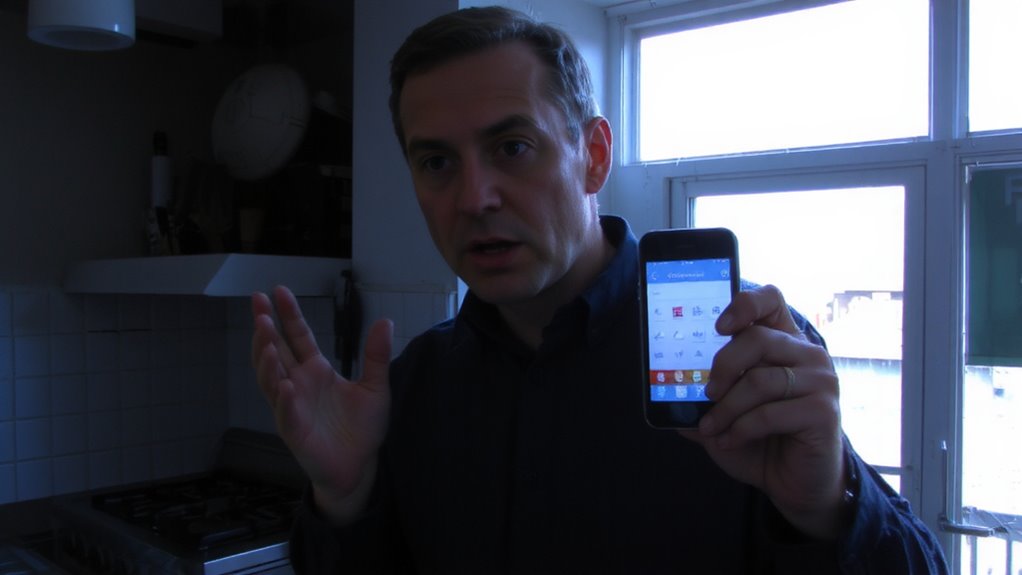
You’ve got tools that work when you can’t speak, but the real problem starts before you use them-being unable to communicate fast puts you at higher risk the moment an emergency hits. First responders may misunderstand your condition, especially if you’re stressed or using atypical speech. This confusion can delay care, sometimes critically. Conditions like auditory fatigue make prolonged communication harder, reducing your ability to explain needs during extended emergencies. Social stigma around speech differences can also lead to assumptions about your awareness or competence, further slowing response. In smoke-filled rooms or loud evacuation zones, even reliable devices fail without immediate access. You’re not just fighting the disaster-you’re fighting to be understood. Emergency protocols rarely account for speech limitations in timing, noise levels, or interaction design. These gaps increase exposure and decrease survival odds. The risk isn’t just silence-it’s being heard incorrectly when every second counts.
Why Communication Devices Aren’t Enough
While communication devices can support speech under normal conditions, they’re often inadequate in emergencies because real-world performance depends on more than just functionality. Your reliance on technology introduces risks when power fails or networks collapse. Device dependency becomes a liability if backups aren’t available. Signal reliability varies by location and infrastructure, leaving gaps when you need connection most. Consider these critical factors:
| Factor | Risk Level | Reason |
|---|---|---|
| Battery life | High | Limited runtime without recharge |
| Network access | High | Poor signal reliability in disasters |
| Device portability | Medium | Bulk or fragility hinders evacuation |
| Environmental durability | Medium | Not all resist water, dust, or impact |
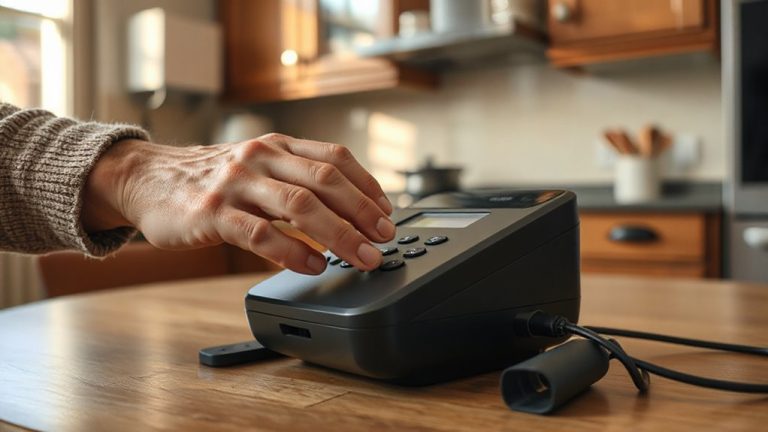
Even advanced tools fail without planning. You need low-tech alternatives to stay safe when systems don’t. A reliable backup option is a hand-crank phone charger that can maintain connectivity during prolonged outages.
Are Emergency Alerts Reaching Nonverbal People?
What good is an alert if it never reaches you? Many emergency systems rely on audio or verbal response, creating accessibility gaps for nonverbal individuals. If you can’t hear a siren or speak to confirm receipt, standard alerts may not guarantee your safety. Visual and vibrating alerts improve alert awareness but aren’t universally integrated into public warning infrastructure. Some smartphone apps offer text-based notifications, but coverage varies by location and network reliability. Devices like bed shakers or strobe lights help, yet require advance setup and power. Real-world testing shows inconsistent performance across platforms, especially during power outages or network congestion. These gaps mean alert awareness isn’t guaranteed, even when systems work as designed. You can’t afford to assume you’ll be reached-verify your local emergency systems support multiple output modes. Relying solely on auditory alerts leaves you exposed. Planning around these limitations is essential for survival.
How to Share Medical Info Without Speaking
Emergency alerts might get your attention, but they don’t convey your medical needs once help arrives. You need reliable ways to share critical health information without speaking. Medical bracelets are durable and instantly readable by first responders, but they hold limited data. Engrave essential details like allergies, conditions, and emergency contacts. For more extensive info, digital profiles work well. They store extensive medical histories and can be accessed via QR codes or RFID chips on ID cards or smartphones. Most responders are trained to check for these now. However, digital profiles depend on device availability and battery life, so pair them with physical backups. Neither solution is perfect alone. Used together, medical bracelets and digital profiles improve accuracy and speed during emergencies. This combination meets real-world demands for fast, clear communication when speech isn’t an option.
Train Families and Caregivers for Crisis Response
How quickly could your family or caregivers get you to safety if seconds counted? Training them through crisis simulation improves response speed and decision accuracy. Role playing common emergencies-like fires, power outages, or evacuations-reveals gaps in coordination and communication. These drills should happen at least twice a year, using real-time scenarios that match your environment and needs. During role playing, assign clear roles: one person directs movement, another secures communication tools, and a third checks for essential items. Simulations show whether backup methods work under stress. Caregivers learn when to act and how to interpret your nonverbal cues. Practice with varied conditions-low light, noise, blocked exits-to build adaptability. Consistent training doesn’t guarantee perfect outcomes, but it increases the likelihood of a successful response. Preparation is measurable. Test it early, test it often.
Make Evacuation Plans Work for Nonverbal Individuals
You’ve trained your family and caregivers to respond in a crisis, but getting out safely means your evacuation plan actually works when you can’t yell for help. Use accessible signage on doors and hallways to mark exits and safe routes-these must be visible and easy to understand at a glance. Pair signs with simple visual cues like color-coded paths or pictograms so you can follow them quickly, even in smoke or low light. Test the route under simulated conditions to confirm it works without verbal communication. Consider wearable ID tags with clear symbols indicating your needs. Guarantee all exits are unobstructed and lighting is reliable. Visual cues and accessible signage together reduce confusion and response time. Relying on sound-based alerts alone isn’t enough. Plan for different disasters-each may block standard exits. Your safety depends on clear, consistent, nonverbal communication built into the environment.
On a final note
You can’t rely on voice alone during disasters, so plan now. Test alert systems with your communication device to confirm compatibility. Share printed medical info in a sealed, accessible envelope. Practice evacuation with caregivers monthly. Choose routes with minimal stairs and clear signage. Use vibrating alerts if hearing is impaired. No single solution works every time, so layer your tools-redundancy increases survival odds when speech isn’t an option.