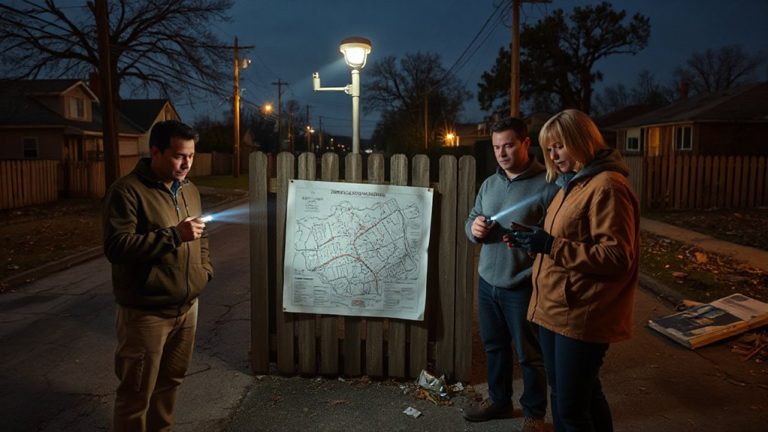
How to Establish a Family Rendezvous Point After an Evacuation From School Zones
Pick a visible, durable landmark near your child’s school-like a bus stop or mural-and make sure it’s walkable and doesn’t require access codes. Involve your child in choosing it; their memory of cues matters during stress. Set up at least two backup spots in different directions, reachable if roads are blocked. Share all locations and protocols with every caregiver. Practice twice a year under real conditions to test timing and visibility-small delays reveal critical flaws. Details on refining each step follow.
Notable Insights
- Choose a safe, visible spot near school, using landmarks like murals or bus stops for easy identification.
- Involve children in selecting the rendezvous point to improve recognition and memory during emergencies.
- Establish multiple backup locations in different directions, accessible by foot or alternate routes.
- Share the primary and backup meeting points with all authorized guardians and update school records.
- Conduct evacuation drills twice a year to practice the route and refine timing and coordination.
Pick a Safe, Known Meeting Spot Near School
A meeting spot’s location is the anchor of your family’s evacuation plan-pick one that’s both safe and familiar. You need proximity safety, meaning the spot is close enough to the school to reach quickly but far enough to avoid hazards like traffic or downed power lines. A nearby intersection with a clear sightline works better than a congested front gate. Landmark visibility matters-you’ll find each other faster if the site is marked by something unmistakable, like a bright mural, a church steeple, or a colored bench. Avoid spots requiring keys or access codes. Trees can provide shade, but they offer poor visibility in a crowd. Concrete corners or bus stops with signage are more reliable. You’re not planning for convenience-you’re optimizing for recognition and access under stress. Test the location during pickup time. If it takes more than 90 seconds to spot your partner or child, reconsider your choice. Choose function over comfort.
Get Your Kids Involved in Choosing the Spot
You’ve picked a spot that’s visible and safe, but it won’t matter if your child can’t remember it under pressure. Involve them in choosing the rendezvous point so it sticks. Kids recall locations better when they help pick them. Use role playing to test it-walk there together from school, noting landmarks. Ask your child what stands out to them; their cues might differ from yours. This isn’t just about memory-it’s trust building. When they feel heard, they’re more likely to follow through during real stress. A red mailbox or tree near the park may be their anchor, not yours. Adjust the spot if it doesn’t work for both of you. Practice once a season. It takes five minutes and raises effectiveness. Real-world testing shows kids respond faster when they’ve helped choose and rehearse. Simple, repeatable actions beat theory. Keep it consistent, visible, and shared.
Plan for Emergencies That Block Roads or Schools
If roads or school grounds become inaccessible during an emergency, your primary rendezvous point might be unreachable. You need backup locations in multiple directions, accounting for road closures and emergency detours. Choose secondary spots at least two miles away, accessible via alternate routes. Major intersections, public parks, or community centers work well. Confirm each site is reachable on foot if necessary. Map potential detours now, so you’re not guessing later. Road closures often last longer than expected, so consider how traffic patterns shift during disasters. Avoid narrow streets or areas prone to flooding or congestion. Test each route during normal and peak hours. Time your drive and walking durations. Adjust your plan based on real travel data. These backups aren’t optional extras-they’re essential alternatives when your first choice fails. Plan for them the same way you plan for the main meeting point.
Share the Plan With Everyone Who Picks up Your Kids
Someone other than you might need to pick up your kids when an emergency hits, so make sure every authorized person has the full rendezvous plan. Share the location, backup sites, and communication method with each designated guardian. They need to know the exact pickup protocol-where to go, what time to arrive, and how to confirm the child’s release. Not every guardian will have your phone access, so written instructions are essential. Include emergency contacts and school procedures. A streamlined pickup protocol reduces confusion and delays. Make sure all adults understand the chain of responsibility and don’t assume someone else already collected the kids. Miscommunication risks missed reunions. Update the list of authorized individuals with the school whenever changes occur. Clear, consistent sharing improves execution under stress. The plan only works if everyone involved knows their role-no exceptions.
Practice the Evacuation Meeting Twice a Year
A plan only holds up if everyone knows how it works under pressure, and sharing the details isn’t enough-practice turns instructions into action. You should run evacuation drills twice a year to guarantee your family responds correctly when it matters. Schedule one drill in spring and one in fall to account for seasonal changes in daylight, traffic, and routines. Practicing during different weather conditions-rain, wind, or heat-helps everyone adapt to real-world challenges. Use the same rendezvous point each time so it becomes automatic. Time each drill to measure improvements and identify delays. Include kids, caregivers, and anyone who picks them up. Adjust the plan if roads are blocked or pickup roles change. These drills don’t need to be long-10 to 15 minutes is enough. Regular practice reduces confusion, builds consistency, and increases the odds your family reunites quickly and safely when it counts.
On a final note
You’ve picked a safe spot, involved your kids, and planned for blocked routes. Share the plan with everyone who picks them up-no exceptions. Practice twice a year to confirm timing and clarity. The meeting point only works if it’s tested and known. Real-world results show families reunite faster with a practiced plan. Without one, delays rise sharply. This isn’t overkill-it’s basic preparedness. Simple, repeatable steps beat last-minute decisions every time.