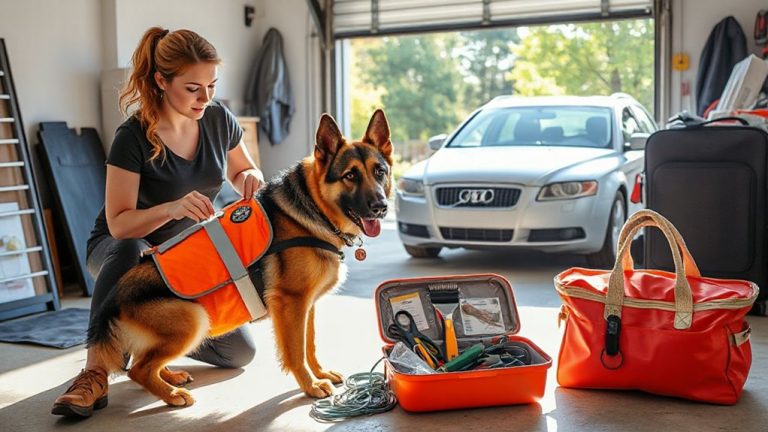
How to Assess the Likelihood of Emergency Pet Shelter Availability
Check local emergency alerts and government sites to see which shelters are open and pet-friendly-only about 12% accept animals. Verify shelter partnerships with groups like the Red Cross or Humane Society, since they’re more likely to have space and supplies. Confirm pet policies early, including vaccine requirements and behavior rules. Sign up for real-time updates so you know when spots open. Most shelters fill fast, so having pre-approved backups gives you a better chance to stay safe with your pet. You’ll want to know your next move fast when time runs out.
Notable Insights
- Check local government websites for real-time updates on shelter openings and pet-friendly designations.
- Verify if shelters partner with organizations like the Red Cross or Humane Society to increase pet acceptance likelihood.
- Confirm current shelter capacity, power, and lighting to ensure operational status during emergencies.
- Review pet admission requirements in advance, including vaccinations, behavior, and spay/neuter documentation.
- Sign up for emergency alerts to receive timely notifications about shelter availability and pet accommodations.
Check Emergency Pet Shelter Availability Now
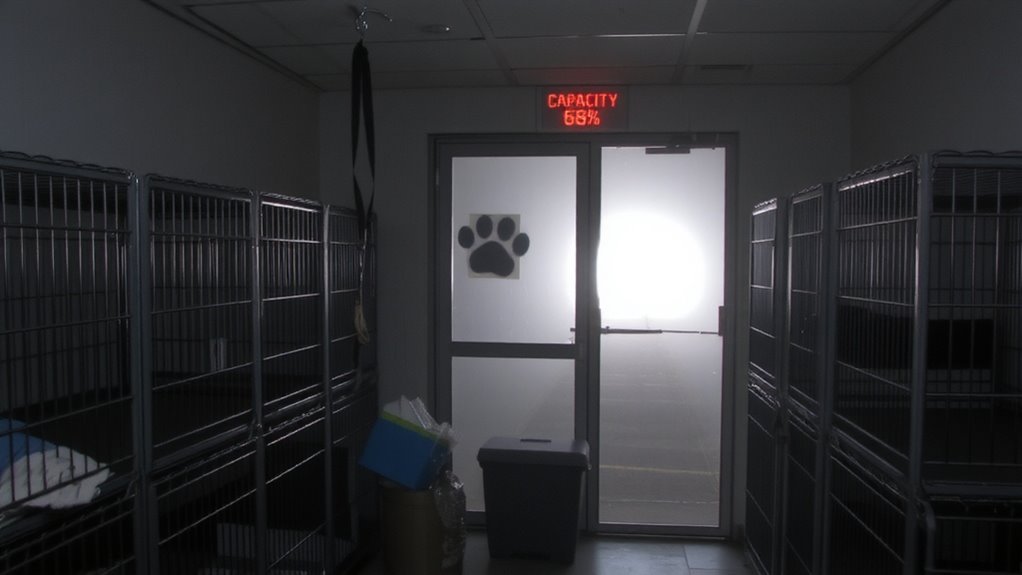
Where do you turn when disaster strikes and your pet needs shelter fast? You check emergency pet shelter availability now-before crisis hits. Use local government websites or apps updated in real time to locate facilities with space, power, and emergency lighting. Poor lighting stresses animals, worsening pet behavior like anxiety or aggression. Shelters with battery-backed LED lighting maintain visibility during outages, reducing disorientation in pets. Confirm the shelter’s capacity limits, as overcrowding increases noise and stress. Verify if they stock basic supplies like food and kennels. Don’t wait-the time to act is before evacuation orders. Immediate access to a facility with functional emergency lighting and room for your pet improves outcomes. Relying on last-minute searches risks delays. Proactive checks give you data, not guesswork. Know the facts: shelter status, lighting performance, and space availability. That’s how you protect your pet effectively.
Know Which Shelters Allow Pets in Disasters
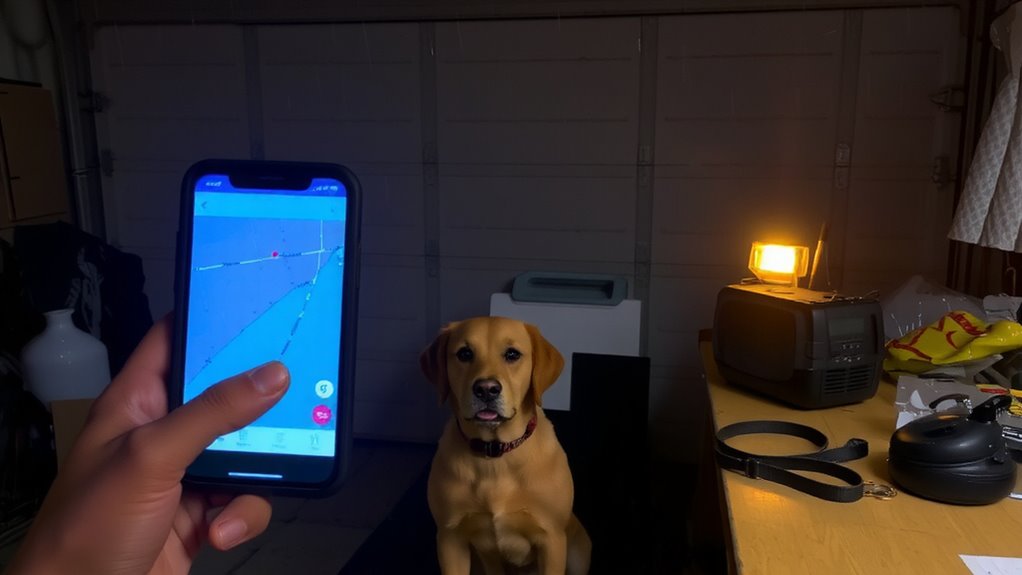
How many shelters around you actually accept pets when disaster hits? Not all do, so knowing which ones have pet friendly policies is critical. Relying on shelters without confirmed pet accommodations puts your pet at risk. Check local facilities now, don’t wait. Many operate under shelter partnerships with animal organizations to provide temporary pet housing. These collaborations increase capacity and guarantee basic care during crises.
| Shelter Name | Pets Allowed | Partner Org |
|---|---|---|
| City Rescue Center | Yes | Humane Society |
| Metro Civic Shelter | No | N/A |
| Eastside Community Hub | Yes | Red Cross + ASPCA |
| Valley Emergency Lodge | Yes | Local Animal Control |
These shelter partnerships improve reliability. Pet friendly policies vary, so verify directly. Confirming in advance eliminates guesswork when time matters.
Follow Alerts for Emergency Pet Shelter Openings

When emergencies strike, staying informed about which shelters are opening and whether they accept pets can make the difference between safety and uncertainty. You should sign up for text alerts from local emergency management agencies, as they often send real-time updates on shelter status and pet accommodations. These messages are reliable and arrive quickly, even when internet service is spotty. You can also monitor official social media accounts of your city or county emergency services, which frequently post shelter openings and capacity details. Social media spreads fast but varies in accuracy, so cross-check posts with official sources. Text alerts are more dependable during power outages or network congestion. Don’t wait-set up alerts now. Waiting until a storm hits or wildfire spreads reduces your ability to act quickly. Preparation means access to shelters before they fill.
Meet Pet Admission Rules Before You Arrive
What if your pet isn’t allowed inside the shelter because you didn’t meet the entry requirements? You’ll be turned away when you need help most. Most emergency shelters require up-to-date vaccination records-without them, access is denied. Rab hailed, distemper, and bordetella vaccines are commonly checked. Bring printed copies, not phone photos, since signal may be weak. Your pet must also show stable pet behavior-no aggression, excessive barking, or fear-based reactions that could disrupt shared housing. Uncontrolled behavior risks safety and results in exclusion. Leash manners matter. Some shelters require proof of spay/neuter, but that’s less common. Pre-checking specific rules saves time and stress. Preparation doesn’t guarantee entry, but failing these basics guarantees denial. Meeting these standards improves your odds when emergencies strike and shelter space is limited.
Find Shelters Backed by Rescue Groups
Why trust just any shelter during an emergency? Shelters backed by established rescue groups are more likely to meet consistent care standards. These facilities often foster partnerships with experienced organizations, ensuring trained staff, adequate supplies, and better medical support. You’re not just relying on goodwill-you’re benefiting from structured networks with proven response protocols. Always verify affiliations before assuming a shelter is reliable. Check if they’re linked to recognized rescues or animal welfare coalitions, which adds accountability. Facilities without clear ties may lack oversight or emergency preparedness. A shelter’s connection to a rescue group doesn’t guarantee space, but it increases the odds of humane treatment and operational stability. In crises, that difference matters. Prioritize shelters that publicly list their rescue partnerships and allow transparency in operations. It’s a measurable factor that improves your pet’s chances when seconds count.
Line Up Backup Places That Allow Pets
Where will you go if your first-choice shelter turns you away? You need backup options ready, and fast. Start by identifying nearby pet boarding facilities that accept animals during emergencies-many have space but fill quickly, so register your pet ahead of time. Use friend referrals to find reliable spots; trusted recommendations often lead to openings that aren’t advertised. Not all boarding centers participate in disaster plans, so verify availability and access policies now, not during a crisis. Hotels and temporary housing may allow pets, but space isn’t guaranteed. Relying solely on shelters is risky. A mix of boarding facilities, referrals, and pre-vetted locations improves your odds. Planning multiple options doesn’t guarantee safety, but it increases access when primary systems fail. Act before you’re forced to move.
Keep Your Pet Ready to Evacuate Immediately
You’ve lined up backup shelters, but having options means nothing if your pet isn’t ready to move the moment you need to. Pet readiness guarantees a smoother immediate evacuation when seconds count. Prepare a grab-and-go kit with essentials, and practice the routine so your pet responds without delay. Stress slows evacuation, so familiarize your pet with the carrier and harness early.
| Item | Purpose |
|---|---|
| Leash and carrier | Secure transport |
| Food and water (3-day supply) | Sustained nourishment |
| Medications | Health continuity |
| ID tags and records | Faster reunification |
Immediate evacuation success depends on preparation, not improvisation. Store the kit near an exit. Test it monthly. Update contents as your pet’s needs change. Pet readiness isn’t optional-it’s the baseline for safe evacuation.
On a final note
You’ll increase your odds by checking shelters early and knowing their pet policies-many don’t accept animals. Sign up for real-time alerts so you’re notified when pet shelters open. Confirm admission rules in advance-vaccination records and carriers are often required. Relying solely on official shelters is risky; backup options like pet-friendly hotels or亲友 homes help. Keep evacuation supplies ready. Preparedness trumps luck when disaster hits.