How to Forage Stinging Nettle for Sustained Energy in a Survival Context
You can forage stinging nettle in spring from moist, fertile areas like stream banks, where it offers up to 25% protein and superior iron and calcium. Wear gloves and harvest young tops before flowering to avoid stings. Cook lightly to neutralize irritants and boost digestibility while preserving nutrients. Dried properly, it stores well for months. You’ll get steady energy and essential nutrition-especially when other food sources are scarce. There’s more to using it effectively in the wild than just picking and cooking.
Notable Insights
- Stinging nettle is highly nutritious, offering protein, iron, and vitamins A and C for sustained energy in survival scenarios.
- Forage young nettle plants in spring from moist, shady areas near streams or forest edges before they flower.
- Wear thick gloves and use shears to harvest top inches of plants under 12 inches tall to avoid stings.
- Lightly cook nettle to neutralize stingers and preserve nutrients, improving digestibility and iron absorption.
- Dry nettle in a dark, ventilated area and store in airtight containers to retain potency for up to a year.
Why Nettle Is a Survival Powerhouse
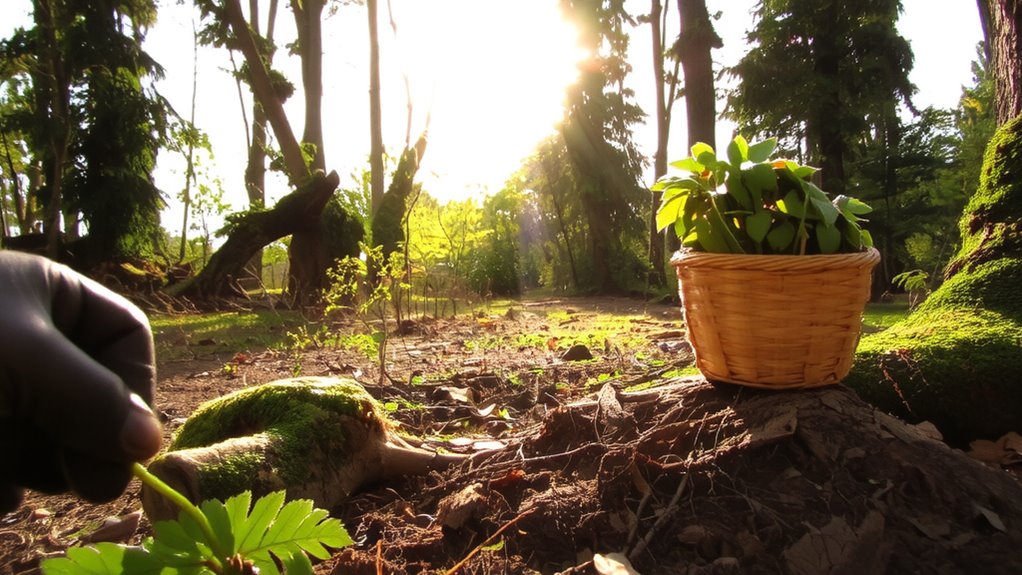
A single handful of stinging nettle can deliver more than just a painful rash-it’s packed with nutrients that matter when survival’s on the line. You get high nutritional density: rich in protein, iron, calcium, and vitamins A and C, gram for gram it outperforms many cultivated greens. That means sustained energy and support for bodily functions when food is scarce. You can eat it cooked or dried to neutralize the stingers, making it reliable in the field. Beyond calories, it offers medicinal benefits-historically used to reduce inflammation and support urinary health. While not a magic cure, its bioactive compounds have shown measurable effects in controlled studies. Yes, harvesting requires caution, but once processed, it’s safe and effective. It won’t replace medical treatment, but in a survival context, nettle is a pragmatic choice-providing both sustenance and mild therapeutic support with minimal trade-offs.
Where & When to Find Nettle in the Wild
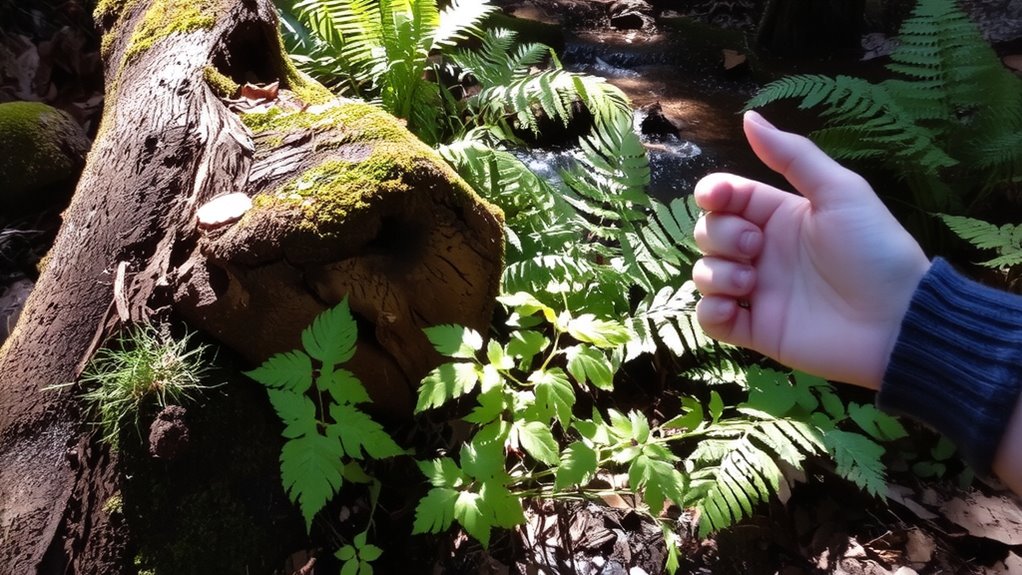
Where should you look for stinging nettle when you’re out in the wild? You’ll find it in moist, nutrient-rich soils-often near streams, riverbanks, or forest edges. It thrives in temperate geographical regions across North America, Europe, and parts of Asia. You’re most likely to spot it in spring and early summer when new growth emerges. These seasonal patterns matter because young plants are tender and nutrient-dense. By late summer, stems toughen and may harbor pests, reducing their value. Nettle prefers partial shade but grows in full sun if water’s available. It often clusters in disturbed areas like trailsides or abandoned lots. Elevation affects timing-lower elevations see earlier growth. Knowing your local climate helps predict emergence. It’s common but not universal, so check riparian zones first. Dense patches are easier to locate and more efficient to harvest from. Always verify plant features before use. Misidentification risks exposure to toxic look-alikes.
How to Harvest Nettle Without Getting Stung
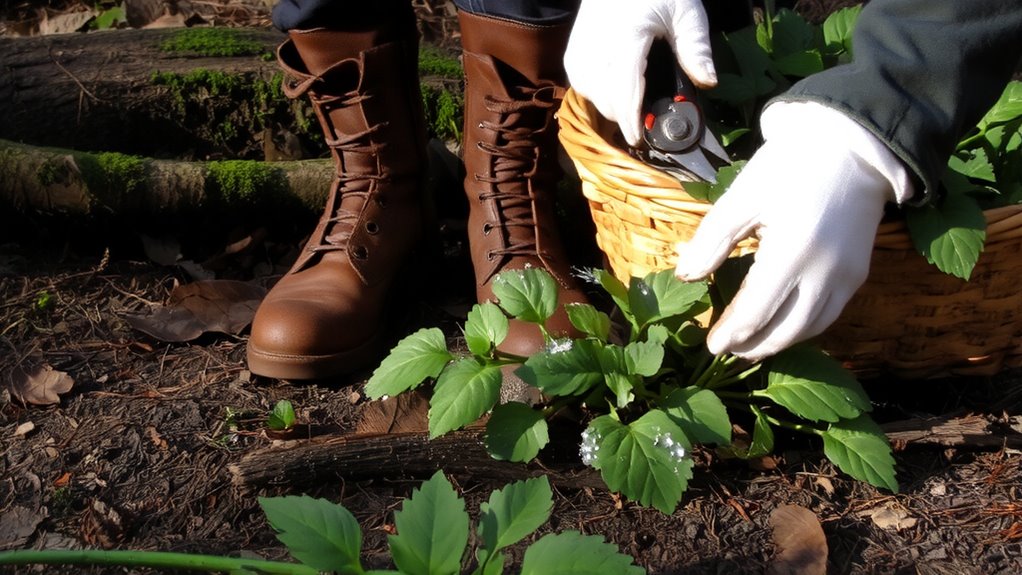
Three key precautions will let you harvest stinging nettle safely: wear thick gloves, use sharp shears, and cut the top few inches of young plants. Gloves protection is non-negotiable-latex or kitchen gloves won’t suffice; opt for thick rubber or leather to block needle-like trichomes. Shears guarantee clean cuts and reduce contact risk compared to pulling by hand. Target plants under 12 inches tall for tender, nutrient-rich growth. Timing harvest matters-aim for early to mid-spring before flowering, when stinging compounds are lower and leaves are most palatable. Avoid mature plants; they develop gritty cystoliths that irritate the throat. Harvest in dry conditions after dew has evaporated, reducing moisture that can spread irritants. Work deliberately, minimizing plant disturbance to prevent accidental brushing. With proper gloves protection and precise timing harvest, you reduce risk and improve yield.
How to Cook Nettle for Fast Energy
You’ll want to cook nettle properly to access its energy-boosting potential without wasting time or nutrients. Lightly steaming or boiling removes the stingers and preserves vitamins and iron, which support sustained energy. In a survival context, cooking takes under ten minutes and requires minimal fuel-just enough to bring water to a boil. Once processed, you can blend young leaves into nettle smoothies using available liquids; the result is fast-digesting and provides quick caloric return. Alternatively, simmer leaves into energy soups with other foraged greens or starches to increase nutrient density and thermal efficiency. Both methods deliver measurable gains in stamina, with soups offering longer satiety, smoothies faster absorption. Cooking breaks down cellulose, improving digestibility and iron bioavailability. Avoid overcooking, as it reduces vitamin C. These preparations are practical under field constraints and yield reliable energy without complex tools or ingredients.
How to Dry & Store Nettle for Later
Once you’ve cooked nettle for immediate energy, drying the surplus makes sense when you need long-term access without spoilage. Nettle dehydration techniques vary, but air-drying in a dark, well-ventilated space works reliably-spread leaves in a single layer on a screen, turning every 12 hours. It typically takes 2–3 days to fully dry. For faster results, use a dehydrator at 95°F (35°C) for 6–8 hours; higher heat risks nutrient loss. Once crisp, store the dried nettle in airtight glass jars or heavy-duty vacuum-sealed bags. These long term storage solutions prevent moisture and light exposure, preserving potency for up to a year. Nylon or plastic bags aren’t ideal-they allow slow moisture infiltration. Label containers with harvest dates for rotation. Properly dried nettle retains color and scent, indicating quality. Rehydrate in warm water or add directly to soups when energy demands rise.
On a final note
You can rely on stinging nettle for sustained energy when foraging in the wild. It’s rich in protein, iron, and calories for the effort required. Harvest it young in spring, using gloves to avoid stings. Cook or dry it thoroughly-it deactivates the irritants and preserves nutrition. Dried leaves store well for months with minimal weight. It won’t replace high-calorie foods, but it boosts nutrition when calories are tight. Know the plant, process it right, and it becomes a dependable tool in your survival kit.