How to Identify and Treat Hypothermia in Remote Wilderness Settings
You’ll notice hypothermia when shivering won’t stop, speech slurs, or hands fumble knots-your core temp drops fast in wet, cool conditions even above freezing. Move to shelter, insulate from the ground, and start a fire if possible. Remove wet clothes and share body heat if no dry layers are available. Stay still and avoid caffeine. Improvise insulation with dry leaves or pine boughs. More field-tested strategies follow.
Notable Insights
- Recognize early signs like shivering, slurred speech, confusion, and loss of coordination, even above freezing in wet conditions.
- Move the person to a sheltered area and insulate them from the ground using natural materials or a survival blanket.
- Remove wet clothing and replace with dry layers; use body heat or shared warmth if no extra clothing is available.
- Start a fire for external heat, ensuring ventilation and safety, but avoid excessive movement that could worsen cold exposure.
- Prevent further heat loss by keeping the person still, dry, and protected from wind, rain, or snow until help arrives.
How Hypothermia Sets In: And Why It’s Deadly
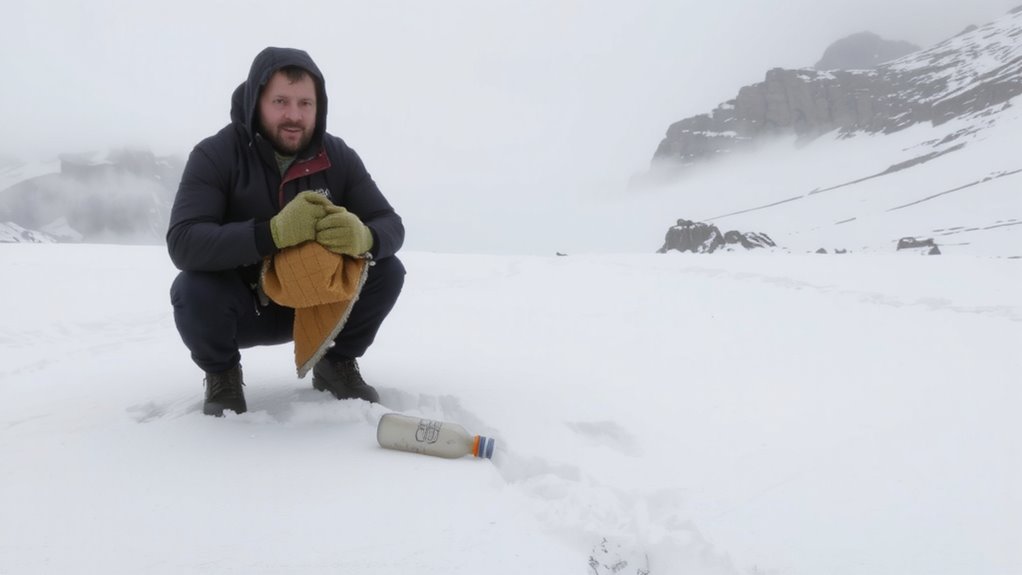
When the body loses heat faster than it can produce it, hypothermia starts to set in-usually in cold environments, but sometimes even in cool, wet conditions above freezing. You might not realize how quickly cold exposure drains your core temperature, especially with wind or damp clothing. Your body responds by shivering, trying to generate heat, but prolonged exposure overwhelms this defense. As core temperature drops below 95°F (35°C), metabolic slowdown begins-organ function slows, mental clarity fades, and physical coordination declines. This slowdown reduces heat production further, creating a deadly feedback loop. Even mild hypothermia impairs judgment, making self-rescue harder. In remote settings, where help is hours or days away, this progression is especially dangerous. Prevention hinges on insulation, staying dry, and monitoring companions. Once metabolic processes decline markedly, recovery becomes far less likely-intervening early is critical.
Spot the Early Signs of Hypothermia Fast
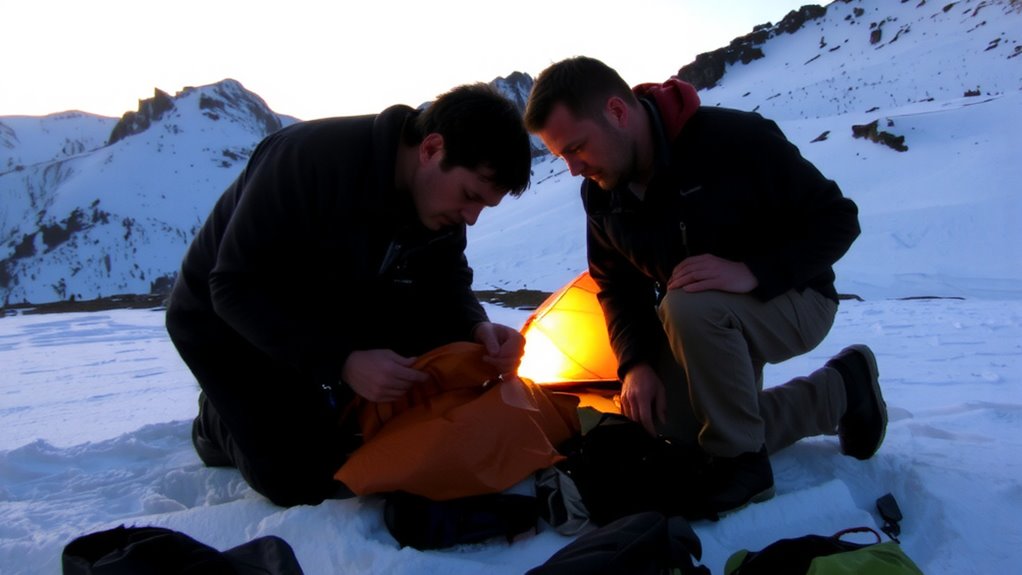
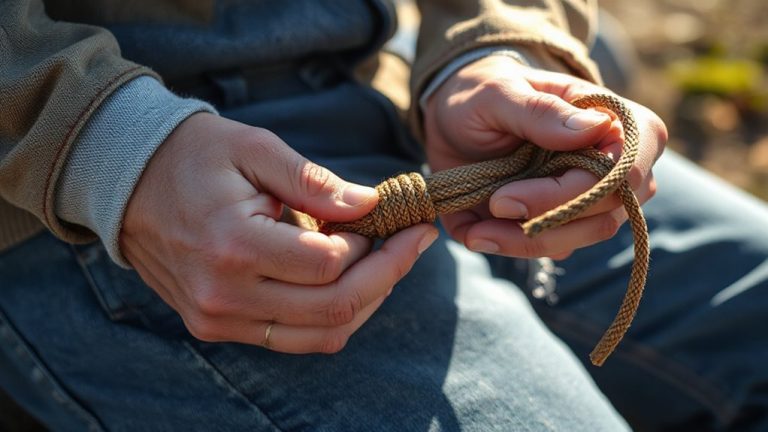
You can’t rely on obvious symptoms to catch hypothermia early, so knowing the subtle signs gives you an edge before things get worse. At first, you might just feel cold, but pay attention when shivering uncontrollably starts-it’s one of the body’s last attempts to generate heat. If the person begins to fumble with gear or can’t tie a knot, that’s a red flag. Slurred speech is another key indicator; words may sound thick or slow, like intoxication, even if the person hasn’t had alcohol. Confusion, poor judgment, or sudden fatigue also appear early. These aren’t dramatic signs, but they’re measurable and reliable. In field tests, people showing slurred speech and persistent shivering saw core temperature drops of 1–2°C within 30 minutes without intervention. Spotting these cues fast means you can act before coordination fails or consciousness fades.
What to Do If Someone Has Hypothermia
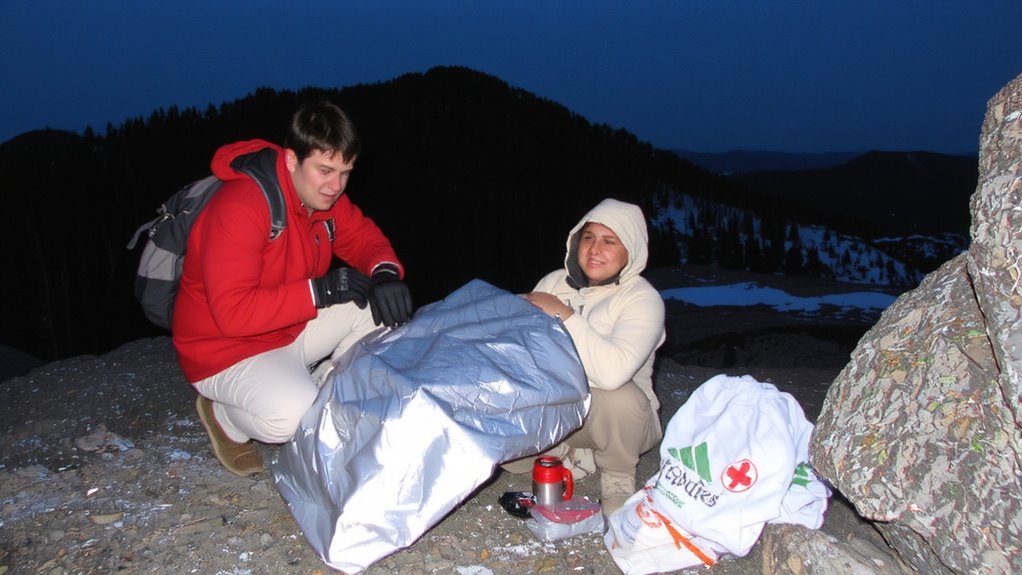
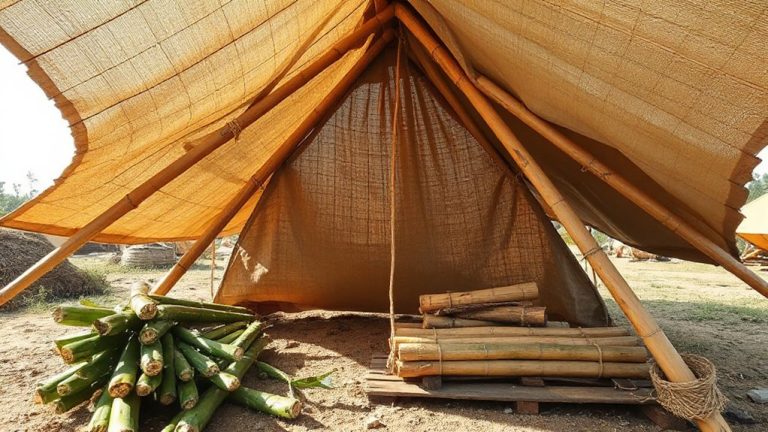
Action-not hesitation-saves lives when core temperature drops. Move the person to a sheltered area immediately. Shelter building blocks wind and retains body heat; use natural cover or construct a lean-to with available materials. Insulate them from the ground with pine boughs or a survival blanket. Begin fire starting to generate external warmth-keep flames steady and close, but not touching. Monitor flame safety to avoid burns or smoke inhalation. Remove wet clothing and replace with dry layers if possible. Keep the person still; shivering increases energy use but helps maintain core heat. Avoid alcohol and caffeine-they impair thermoregulation. Assess breathing and pulse regularly. Hypothermia slows metabolism, so recovery may seem slow. Keep the environment consistently warm using fire starting and shelter building as primary tools. Re-warming takes time but improves odds when done steadily. Including a winter survival kit can provide essential tools like insulated blankets, fire starters, and emergency ponchos tailored for cold-weather rescues.
Warm Them With No Gear: 3 Field Hacks
If you’re stuck without gear, your body is the most reliable heat source available-use it wisely. First, share body heat directly: remove outer layers and press your core against theirs, maximizing skin-to-skin contact. It’s effective but drains your energy, so rotate if others are present. Second, use natural insulation tricks: stuff dry leaves, pine needles, or crumpled bark into your clothing or between you and the ground-these materials trap warm air and reduce conductive heat loss. Third, huddle closely in a tight space, like a rock crevice or snow trench, to conserve heat and limit exposure. Your breath contributes warmth, and the enclosed area amplifies insulation tricks. Avoid sweating, as moisture reduces retention. These methods buy time, not cure hypothermia, but they’re field-proven, requiring no tools or prep. Measure success by gradual warming, not shivering cessation.
When to Move: And When to Stay Put
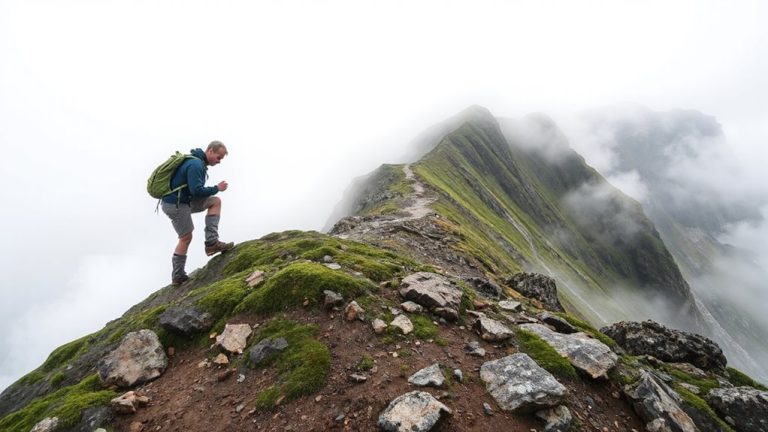
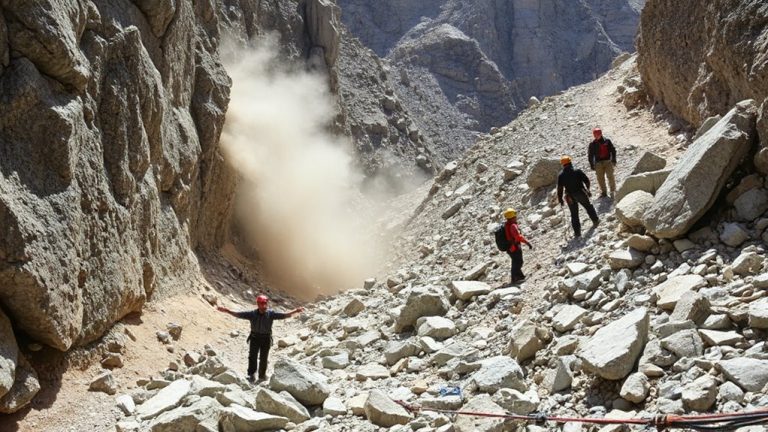
While staying put can conserve energy and preserve body heat, moving becomes necessary when the environment poses a greater threat than exertion-such as exposure to wind, water, or falling debris. If you’re in an open field with no cover, you’ll need to move to shelter building as soon as possible. A rudimentary windbreak or debris hut buys critical protection. But if you can’t maintain fire safety due to wet materials or risky surroundings, staying in place may be safer. Moving increases heat loss and injury risk, especially in low visibility or uneven terrain. Assess your condition: if confusion or stumbling is present, travel could worsen hypothermia. Shelter building nearby-within a few meters-can balance safety and stability. Prioritize location over distance: a better spot close by beats a distant ideal. Every step should serve survival, not urgency. Know when progress means more danger. A well-chosen emergency shelter can make the difference between life and death in extreme conditions.
Stop Hypothermia Before It Starts
Since hypothermia begins when heat loss exceeds the body’s ability to produce it, staying ahead means managing exposure before symptoms appear. You lose heat faster in wet, windy, or cold environments, so preventive measures are critical. Start with proper layering: a moisture-wicking base, insulating mid-layer, and windproof outer shell. These maintain thermal insulation even during activity. Avoid cotton; it retains moisture and reduces warmth by up to 90% when wet. Carry extra dry layers and swap them out if damp. Stay fueled and hydrated-your body needs calories to generate heat. Keep moving, but don’t sweat excessively. Monitor weather and adjust plans early. Simple actions like using a bivy or fire for shelter boost survival odds. Prevention beats treatment every time-because once core temperature drops, recovery becomes far harder. Reliable communication can also be lifesaving, so consider carrying the best 2-way radios for staying in contact with your group in remote areas.
On a final note
You can’t rely on gear alone to beat hypothermia-prevention and quick action save lives. Recognize shivering, confusion, and slurred speech early. Insulate from the ground, share body heat, and use emergency blankets if available. Move only if shelter or help is near; otherwise, conserve energy. Hydration and high-calorie foods help maintain core temperature. These steps work-with no gear, success depends on judgment, not luck.