How to Plan for Evacuation When You Have a Pacemaker or Defibrillator
Check your pacemaker or ICD battery-most last 5–10 years, and below 25% charge risks failure during emergencies. Carry a waterproof medical ID with your device type, implant date, and doctor’s details. Keep a 500Wh battery backup and 20,000mAh power bank charged and tested. Stay 18 inches from phones and avoid metal detectors or power lines. Talk to your doctor before evacuation season. Smart prep guarantees your device works when hospitals don’t. There’s more to get right.
Notable Insights
- Check your pacemaker or ICD battery life before evacuating, as devices with less than 25% charge may fail during emergencies.
- Carry a waterproof medical ID bracelet with your device type, implant date, and doctor’s contact information at all times.
- Keep a charged battery backup system (500Wh minimum) and medical-grade power banks to run essential medical devices during outages.
- Maintain 18 inches between your device and cell phones or electronic interference sources like motors, power lines, and metal detectors.
- Schedule a doctor’s visit before evacuation season to confirm device settings and plan routes near medical facilities.
Check Your Pacemaker or ICD Before Evacuating
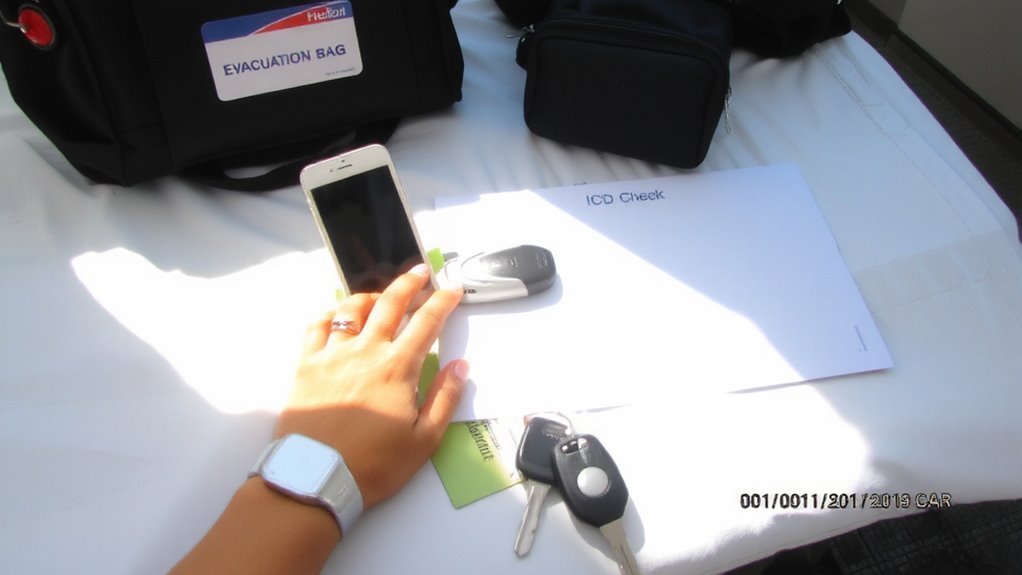
If you’re getting ready to evacuate, don’t wait-check your pacemaker or ICD status now, because knowing your device’s battery life and function could make a real difference if medical care is delayed. Device longevity varies by model and usage, but most last 5–10 years. If your battery is below 25%, it may not outlast an extended emergency. Use your home monitor to confirm readings are stable. Signal interference from emergency radios, power lines, or damaged infrastructure can disrupt device communication. While modern devices are shielded, unreliable environments increase risk. You can’t control external factors, but you can verify your device is operating within normal parameters before leaving. Don’t assume it’s fine-confirm. A brief check now reduces the chance of unexpected shutdowns or missed pacing later. Your device is built to last, but only if conditions don’t exceed its limits.
Carry Life-Saving Medical Info With You
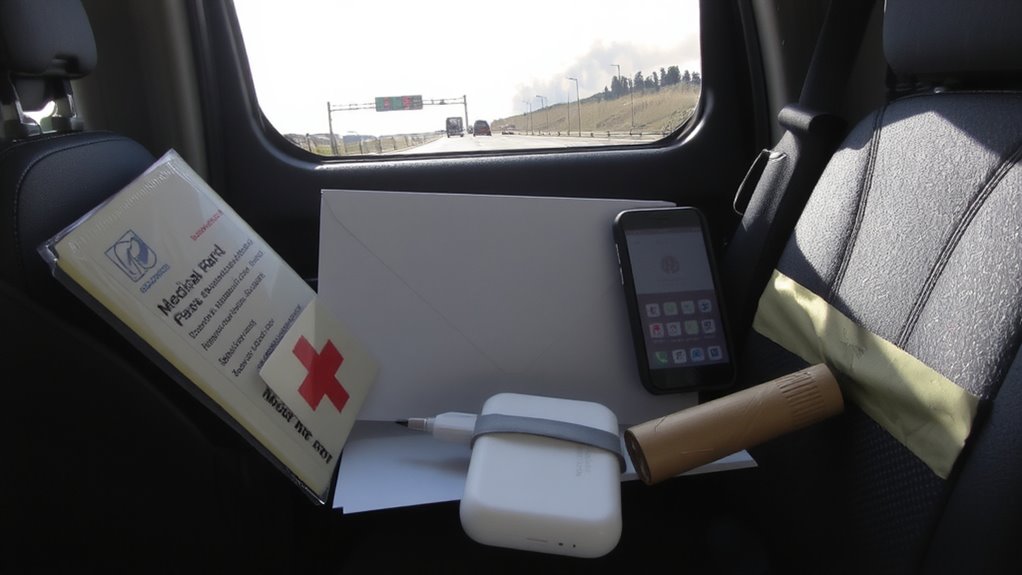
Your medical ID is as critical as your evacuation bag. Carry a Medical ID at all times-ideally a waterproof, engraved bracelet or card-listing your name, device type, implant date, and physician details. In an emergency, first responders rely on this info when you can’t speak. Standardized IDs reduce misidentification and speed up care. Pair it with a laminated sheet in your wallet containing your Emergency Contacts, including at least two people not in your household. Update these numbers if plans change. Mobile profiles (like ICE in phone settings) help but aren’t always accessible. Physical copies are more reliable when networks fail. A Medical ID doesn’t prevent shocks or fix device errors, but it guarantees treatment matches your condition. Test visibility and legibility regularly. It’s low-cost insurance for accurate, fast care when seconds count.
Keep Your Device Powered During Emergencies
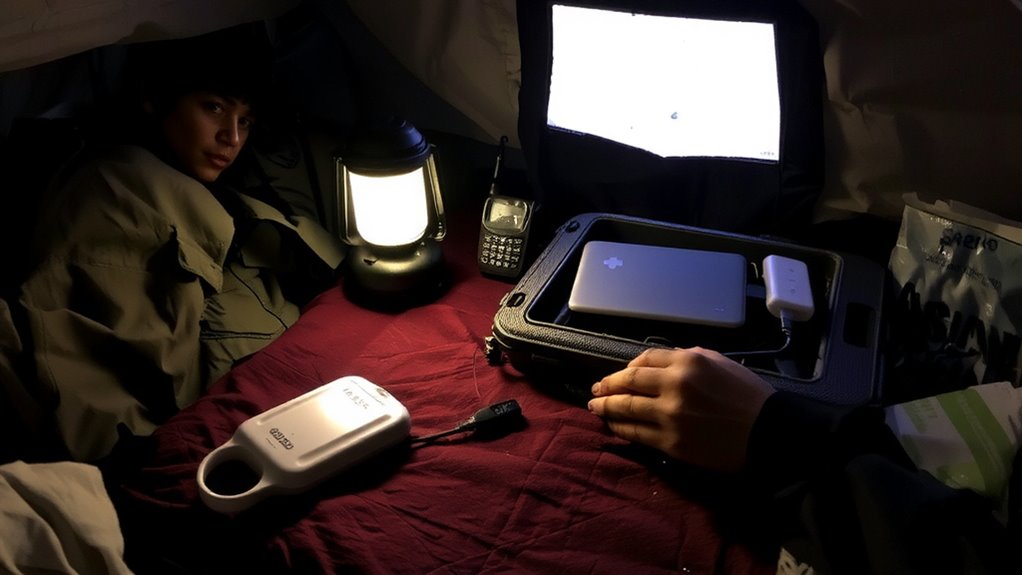
A single power outage can last hours or stretch into days, so keeping your pacemaker or defibrillator charger ready is non-negotiable. You need reliable power sources that match your device’s specifications. A battery backup system with at least 500Wh capacity can run most medical chargers for multiple cycles. Test it beforehand to confirm compatibility and runtime. Portable power banks rated at 20,000mAh or higher are practical for short outages or travel, but verify they support your charger’s voltage. Not all power banks deliver consistent output, so choose one with medical-grade reliability. Keep both options charged and accessible. A battery backup handles longer disruptions, while power banks offer mobility. Using both balances endurance and flexibility. Don’t assume wall outlets will work-plan for zero grid reliance. Your device depends on steady power, so your supplies must perform under stress.
Avoid Dangerous Electromagnetic Interference
When you’re relying on a pacemaker or defibrillator, staying clear of strong electromagnetic fields is critical-these can interfere with device function and potentially cause harm. Everyday sources like power lines, MRI machines, and welding equipment generate electromagnetic fields that may lead to signal disruption. You should keep at least 18 inches between your device and cell phones, and avoid placing them in a pocket near your chest. Anti-theft systems in stores and metal detectors at airports can also pose risks-walk through them normally, but don’t linger. Headphones and electric motors may emit interference, especially if damaged or high-powered. Your device is designed to filter minor signals, but strong or prolonged exposure increases risk. There’s no need for fear, but consistent caution prevents complications. Simple distance and awareness reduce most dangers effectively. Test scenarios during daily routines help you adjust without stress.
Talk to Your Doctor About Evacuation Plans
What happens if you need to evacuate during an emergency-have you thought about how your pacemaker or defibrillator affects your preparedness? You should talk to your doctor about evacuation plans early, not during a crisis. They’ll help you assess your mobility, device limits, and medical needs. Clarify which emergency contacts should be notified and confirm your safest travel routes-some roads may lack medical support. Your doctor can also advise on device checks before and after travel.
| Factor | Recommendation |
|---|---|
| Emergency contacts | List 3 with phone numbers and roles |
| Travel routes | Choose 2 options, ranked by hospital access |
| Evacuation mode | Car preferred; avoid high-vibration transport |
| Doctor visit timing | 2 weeks before risk season |
| Device check | Confirm battery and settings pre-evacuation |
Pack a Heart Device Emergency Kit
If you rely on a pacemaker or defibrillator, having a dedicated emergency kit isn’t optional-it’s essential. Pack a sealed, waterproof bag with a seven-day medication supply, clearly labeled with your name and dosage. Include extra batteries for monitoring devices and a copy of your device ID card. Your travel documentation should have contact details for your cardiologist, device model number, and a list of all medications. Store these in a resealable plastic sleeve to prevent damage. Add a small flashlight, basic first aid items, and a backup phone charger. Keep the kit near your exit route, not in a basement or remote closet. You’ll need immediate access if evacuation is sudden. Test the kit quarterly: replace expired meds, check battery life, and update documentation. A well-maintained kit reduces risk when every minute counts.
On a final note
You’ll stay safer during evacuation by checking your device status early and carrying ID that confirms its make and model. Keep spare batteries if your device needs them, and avoid strong electromagnetic sources like power lines or emergency equipment. Confirm your doctor has your plan and knows your device’s settings. Pack the essentials-meds, charger, cables-but keep it light. A prepared kit saves time and reduces risk when every minute counts.