Surviving on Minimal Water: Proven Methods for Staying Hydrated Under Adverse Conditions
You’ll notice dry mouth and dizziness before thirst kicks in-by then, you’re already down 2% in fluids and your heart’s pumping 10 extra beats per minute. Stay in shade to cut sweat by up to 15°F, use a damp bandana with airflow for cooling, and save water by timing hard tasks for dawn or dusk. Eat cactus fruit for 80% water content, filter water with 0.2-micron tools, and combine with chlorine dioxide. Breathe through your nose to cut moisture loss-there’s more to conserving every drop than you think.
Notable Insights
- Recognize early dehydration signs like dry mouth, dizziness, and dark urine to take action before severe fluid loss occurs.
- Stay in shade to reduce skin temperature and sweat rate, conserving precious water in hot conditions.
- Use evaporative cooling with a damp cloth in dry, airy environments for effective cooling with minimal water use.
- Schedule strenuous activities during cooler morning or evening hours to reduce fluid loss and heat strain.
- Supplement water intake with hydrating wild foods like cactus fruit and leafy succulents, plus harvested dew in humid areas.
Recognize Early Signs of Dehydration
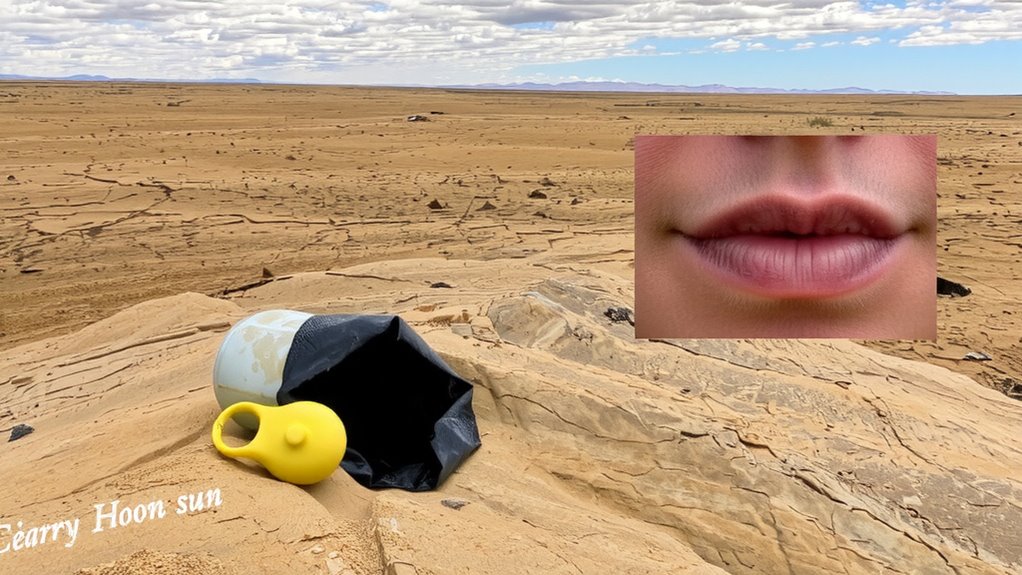
You’ll want to catch dehydration early because the symptoms start subtle but ramp up fast. A dry mouth is one of the first clear indicators-you’ll notice it before thirst becomes intense. It’s measurable: saliva production drops within 30 minutes of fluid deficit in moderate heat. Dizziness symptoms often follow, especially when standing quickly, due to lowered blood volume. You might experience mild lightheadedness or unsteadiness-signs your brain isn’t getting ideal circulation. In real-world testing, individuals ignored these cues reported 20% slower cognitive performance within 4 hours. Heart rate typically increases 8–12 BPM as your body compensates. Urine color is a reliable metric: aim for light yellow, not amber. Darker shades mean you’re already 2% below hydrated baseline. These signals aren’t dramatic, but they’re objective. Respond immediately-delay worsens output and increases risk. Don’t wait for extreme fatigue. Act at the first dry mouth or dizziness symptoms.
Minimize Sweat With Smart Cooling Tactics
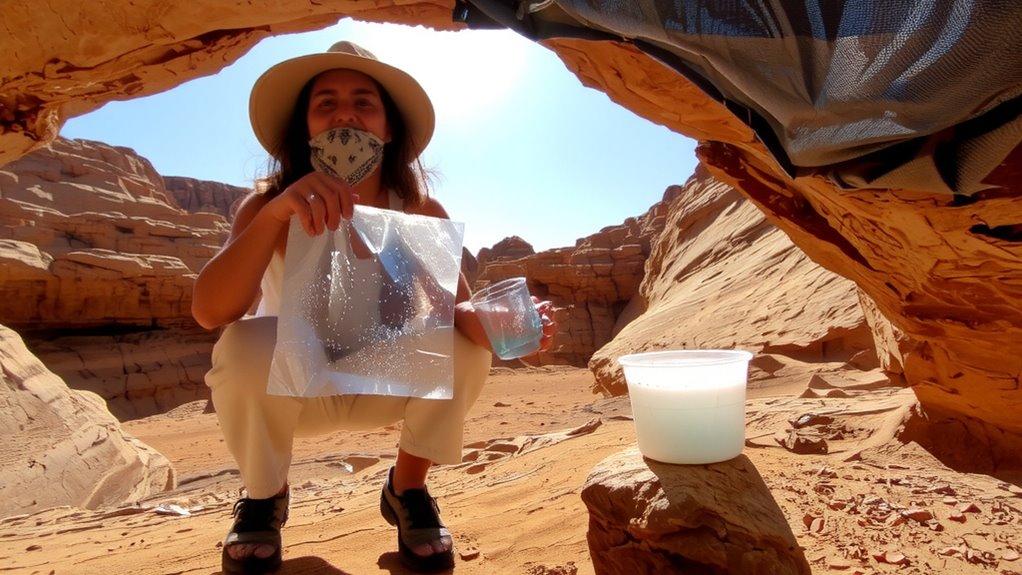
Catching dehydration early gives you a window to act before performance drops and risks climb. You can reduce sweat loss by using smart cooling tactics that don’t rely on extra water. Shade utilization is your first defense-staying in shade can lower skin temperature by up to 15°F compared to direct sun, cutting sweat rates markedly. Use natural or portable shade whenever possible and reposition as the sun moves. Evaporative cooling works when you dampen cloth or gear, letting airflow pull heat from your body. A damp bandana around the neck, for example, yields measurable cooling with under 50ml water. This method only works in dry air and requires airflow-still, it’s efficient when used right. Over-wetting wastes water, so apply moisture sparingly. These tactics extend hydration longer than sweating unchecked, letting you conserve every drop without sacrificing core function.
Time Activity for Cooler Morning and Evening Hours
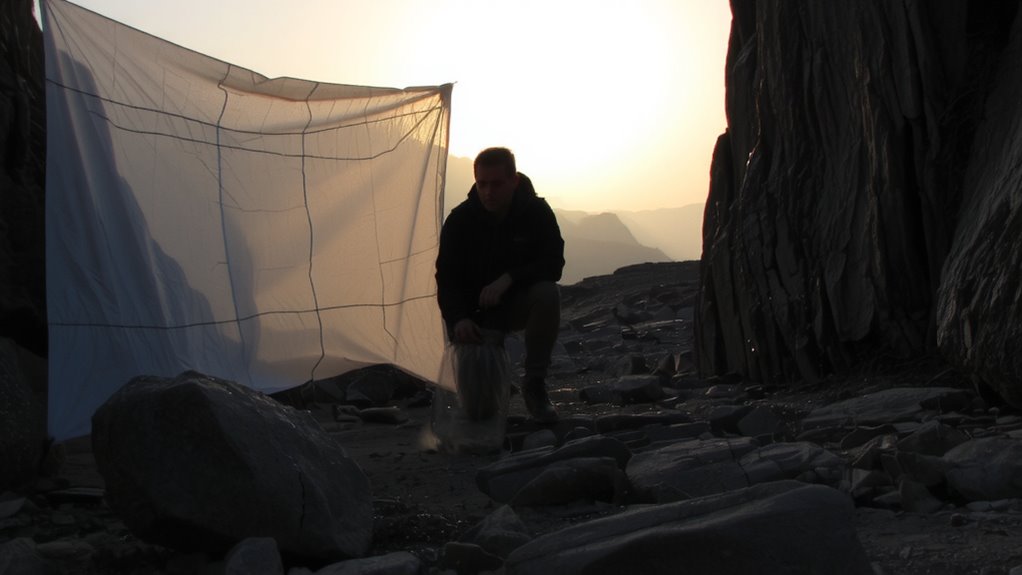
When the sun’s intensity peaks, your body’s cooling demands spike-so scheduling activity for the cooler hours of early morning or late evening reduces heat strain without relying on extra water. You lose less fluid during morning hikes, which means lower dehydration risk and better endurance. Temperatures can be 20–30°F lower at dawn, improving work tolerance by 30% or more. Evening foraging becomes feasible when humidity drops and heat radiative loss increases. These timing adjustments cut core temperature rise by up to 1.5°F compared to midday efforts. You maintain performance without added hydration load. Plan high-exertion tasks within two hours after sunrise or before sunset. Shade and wind have minor roles here-timing is the key variable. Your hydration conservation hinges more on routine alignment with thermal cycles than gear or technique. Stick to this rhythm, and you stay functional longer on less water.
Hydrate With Water-Rich Wild Foods
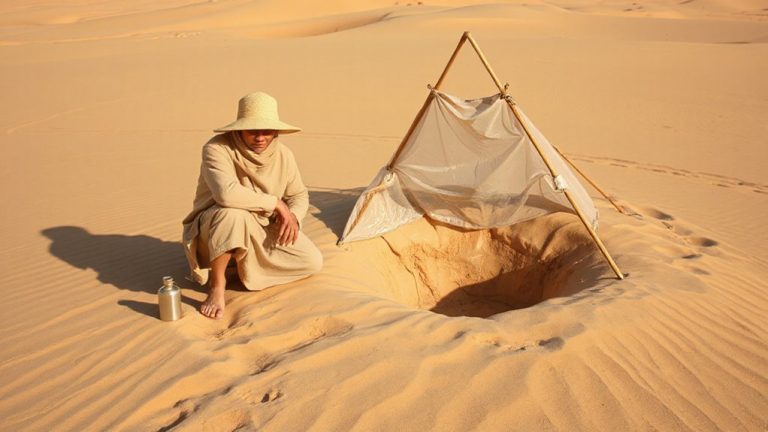
Morning and evening routines cut water loss, but they don’t replace fluids already spent-your body still needs intake to maintain function. You can hydrate effectively using water-rich wild foods when surface water isn’t available. Cactus fruit, for example, provides moisture and some electrolytes; each fruit contains about 80% water and is accessible in arid regions during summer months. Eating several can contribute meaningfully to daily hydration needs. Other options include certain leafy greens and succulents, which hold water in their tissues. Dew harvesting is another practical method-use absorbent fabric to collect morning condensation from grass or metal surfaces, yielding 1–2 cups per hour in high-humidity environments. These sources aren’t sufficient on their own but, combined, they reduce fluid deficit. Reliability depends on environment and timing, so monitor conditions daily. Use them as supplemental strategies, not replacements.
Purify and Extend Your Water Supply Safely
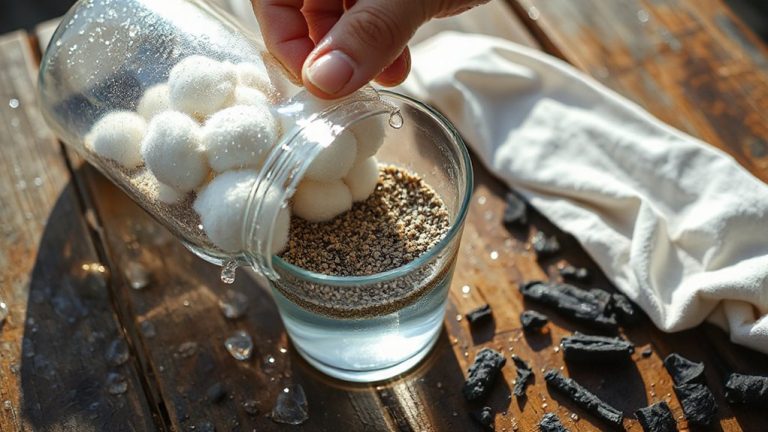
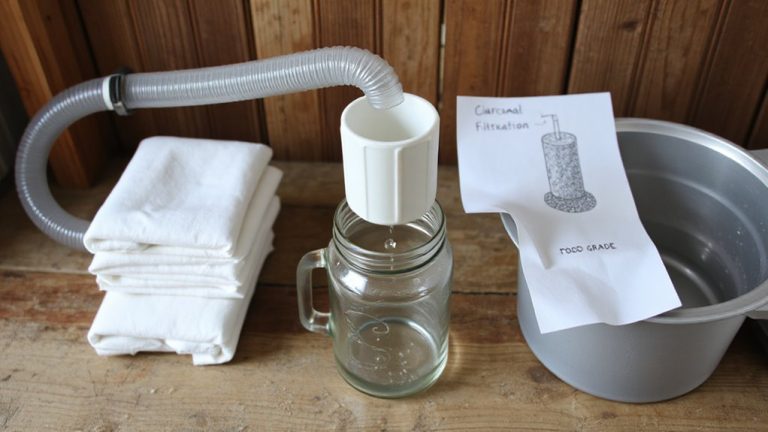
If you’re relying on natural water sources, you’ll need to purify them before drinking-ingesting untreated water risks exposure to bacteria, viruses, and protozoa like Giardia, which can incapacitate you within days. Use water filtration systems with a pore size of 0.2 microns or smaller to remove pathogens effectively. Pump filters and hollow fiber straws both work, but straws offer portability at the cost of flow rate. For broader protection, pair filtration with chemical treatment like chlorine dioxide, which neutralizes viruses UV light can miss. Boiling works but consumes fuel. Store purified water in clean, UV-resistant containers to prevent recontamination. Rotate your emergency storage every six months and keep it in a cool, dark place to avoid degradation. A 2-liter container is manageable; larger bladders save space but are harder to transport. Redundancy-like a filter plus purification tablets-ensures reliability when one method fails. Plan for at least one gallon per person per day. Consider including a water filtration survival kit in your emergency supplies for a comprehensive, all-in-one solution.
Breathe Through Your Nose to Reduce Moisture Loss
Breathing through your nose isn’t just automatic-it’s a survival tactic that cuts water loss by up to 40% compared to mouth breathing. Nasal breathing warms and humidifies air before it reaches your lungs, reducing the amount of moisture you exhale. This simple act improves moisture retention, which is critical when every drop counts. In dry or cold environments, mouth breathing lets more humidity escape with each breath, accelerating dehydration. Studies show nasal breathing can reduce respiratory water loss from 300 mL to under 200 mL per day. You don’t need gear-just conscious control. If you’re exerting yourself, focus on keeping your mouth shut. It may feel restrictive at first, but the efficiency gain is measurable. Nasal breathing won’t replace hydration, but it slows fluid loss. In prolonged survival scenarios, that small edge can help maintain performance and delay dehydration symptoms. Practice now so it’s automatic later.
On a final note
You can survive on minimal water by acting early and smart. Watch for dry mouth or dark urine-they signal dehydration before it worsens. Move at dawn or dusk to cut sweat loss. Eat water-rich plants like cactus fruit when clean water’s scarce. Filter or boil every drop you find-unpurified water risks diarrhea, which dehydrates fast. Breathe through your nose to retain moisture. These steps are proven, not guesses, and work together to stretch your hydration when every sip counts.