How to Plan an Evacuation From a High-Crime Neighborhood Safely
You should assess local crime trends monthly and leave before threats escalate-rising gunfire is a warning sign. If danger is immediate, go now with only essentials. Pack light: one 20-liter backpack per person, under 10 pounds, with water tablets, first aid, cash, and IDs. Choose a destination with secure housing or trusted support. Stick to well-lit, populated routes. Use offline maps and keep your phone off to avoid tracking. A burner phone reduces risk. Every detail improves your odds. Next steps sharpen your plan further.
Notable Insights
- Assess local crime trends monthly using official data and community observations to determine evacuation urgency.
- Leave immediately if facing active threats like gunfire, break-ins, or sudden police activity near your home.
- Pack one silent, lightweight backpack per person with essentials: water purification, first aid, IDs, cash, and food.
- Choose a safe destination with secure housing, verified safety, and access to legal or shelter support if needed.
- Take well-lit, populated routes with preloaded offline maps and disable digital signals to avoid tracking during transit.
Know How High the Risk Is and When to Go
When should you leave, and how bad does it need to get before you act? You don’t wait for violence to hit your doorstep. Start with a clear risk assessment: track local crime rates, note frequency and proximity of incidents, and evaluate threats realistically. A surge in armed robberies or gang activity near your home increases the timing urgency. Delaying raises exposure. You need an exit plan before emergency evacuation becomes inevitable. Use official crime maps, community reports, and personal observations-don’t rely on rumors. If schools close early due to shootings or neighbors flee, those are measurable signs. Timing urgency isn’t about fear-it’s about data. Risk assessment isn’t one-time; update it monthly. When danger trends rise consistently, you’re past the planning phase. Acting too late reduces safe options. You gain control by leaving early, on your terms, with supplies ready and routes confirmed. Measure the threat, then move.
Decide If You Need to Leave Now
How do you know it’s time to go today, not next week? Conduct an urgency assessment: if threats are active and escalating-like gunfire nearby, gang activity at your door, or a direct threat to your safety-delaying increases risk. You’re no longer planning; you’re reacting. That demands immediate departure. Waiting allows danger to close in, reducing exit options and response time. Look for clear indicators: broken windows from attacks, sudden police presence, or neighbors fleeing. If you can leave safely now, do it. Hesitation trades short-term comfort for long-term survival. An urgency assessment isn’t about fear-it’s about facts. Immediate departure means taking only what’s on your person, using pre-identified routes, and avoiding detection. Plan for this moment during calm hours. If conditions meet threat thresholds, act. Your exit timing affects success more than supplies or gear. Decide fast, move faster.
Pack Your Family’s Essentials Without a Trace
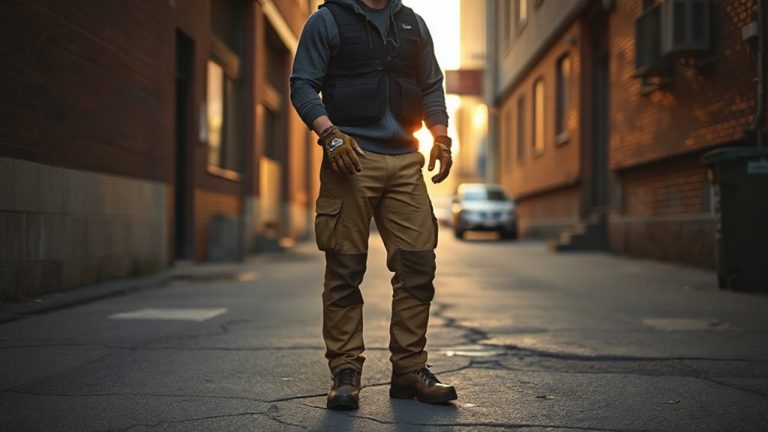
If you’re preparing to leave quickly, pack light and smart-only what’s essential fits in a compact, wearable bag, and every item must serve a proven purpose. Use silent packing methods to avoid drawing attention; move deliberately and keep noise to zero. Choose a backpack with padded compartments to muffle sounds and wear dark, non-reflective clothing. Each family member gets one pack-20 liters max, under 10 pounds. Include water purification tablets, a first-aid kit, ID copies, cash in small bills, and high-calorie, non-perishable food. Store phones on silent with location off. Use prearranged hidden signals-a colored shoelace, a shifted window curtain-to confirm readiness without speaking. Avoid sentimental items or bulky gear. Test the pack’s weight and access daily. Silent packing isn’t about speed alone-it’s about control. Hidden signals prevent missteps. These steps guarantee you leave no trace and no warning. For those who carry concealed, consider a backpack with a dedicated concealed carry compartment to maintain quick access to your sidearm without compromising safety or detection.
Pick a Safe Destination First
Before you pack a single item, you’ve got to know where you’re going-because a destination isn’t just a dot on a map, it’s your next line of defense. You need safe housing that’s secure, private, and away from high-crime zones. Look for places with working locks, reliable lighting, and limited public access. Stay with trusted family or friends first, but verify their location’s safety beforehand. If shelters are your only option, confirm they offer 24/7 staff and gender-segregated sleeping areas. Secure access to legal aid near your destination is critical-especially if you’re fleeing violence or custody issues. Legal aid can help with restraining orders, housing rights, or documentation. Don’t assume all services are available everywhere. Check ahead. A safe destination balances physical protection and practical support. Get both right, and you’re not just escaping-you’re building a stable next step.
Choose the Right Route and Ride Out
Though your destination matters most, the path you take to get there can be just as critical-especially when moving through or near high-crime areas. Your route selection should prioritize well-lit, populated roads with minimal intersections and known police presence. Avoid shortcuts through alleys or abandoned zones, even if they’re faster. Use GPS cautiously-real-time traffic data helps, but don’t rely on it exclusively; cellular outages can disable navigation. Preload offline maps as backup. Vehicle readiness is non-negotiable. Check fuel levels, tire pressure, oil, and brakes before departure. A stalled car puts you at risk. Keep emergency supplies-jumper cables, flashlight, spare tire-readily accessible. Choose a reliable vehicle with good fuel economy and consistent performance records. Test your route during daylight first to identify hazards. Adapt if conditions change. Your best defense is preparation, not speed.
Don’t Let Your Phone Give You Away
Your phone keeps you connected, but it can also expose your location in ways that undermine your safety-especially when moving through high-risk areas. Carriers and apps collect your digital footprint, which includes timestamps, locations, and connection logs. Signal tracking allows third parties to trace your movements even when you’re not actively using the phone. To reduce exposure, turn off location services and Wi-Fi, and disable Bluetooth. Use airplane mode when not communicating-this halts most signal tracking. Avoid logging into personal accounts during evacuation. Consider using a prepaid burner phone with no personal data, as these leave a smaller digital footprint. Regular smartphones emit constant signals, making them traceable within minutes. Burner devices lack GPS history and linked accounts, reducing risk. These steps don’t guarantee anonymity, but they limit how much data is available. Practical trade-offs include reduced convenience for greater operational security.
On a final note
You’ve assessed the danger and decided it’s time to leave. Move fast, stay quiet, and stick to your plan. Pack only essentials, avoid digital traces, and use a route with low surveillance and traffic. Your phone stays off or in airplane mode to prevent tracking. Reach your pre-chosen destination quickly. Success isn’t about gear or strength-it’s discipline, timing, and staying unseen.