How to Store Water in Repurposed Underground Fuel Tanks (Safely)
You can store water in a repurposed underground fuel tank, but only after professional cleaning to remove fuel residue and certification that hydrocarbons are within safe limits. The tank must be inspected for corrosion and structural damage, then lined with a food-safe epoxy. Install it below the frost line, surround it with sand, and use a vent filter. Regular water testing is essential-ongoing monitoring catches issues early. Legal approval is required in most areas, so verify local regulations first. A properly converted tank works, but cutting corners risks health and compliance. Safety and legality depend on full due diligence.
Notable Insights
- Obtain proper permits and regulatory approval before repurposing a fuel tank for water storage.
- Perform certified cleaning with industrial solvents and high-pressure hot water to remove fuel residues.
- Conduct EPA-approved chemical testing to verify complete decontamination of the tank interior.
- Assess structural integrity for corrosion and damage; repair or replace compromised linings or steel.
- Install with proper backfill material and conduct monthly water tests to ensure ongoing safety.
Can You Safely Store Water in a Used Fuel Tank?
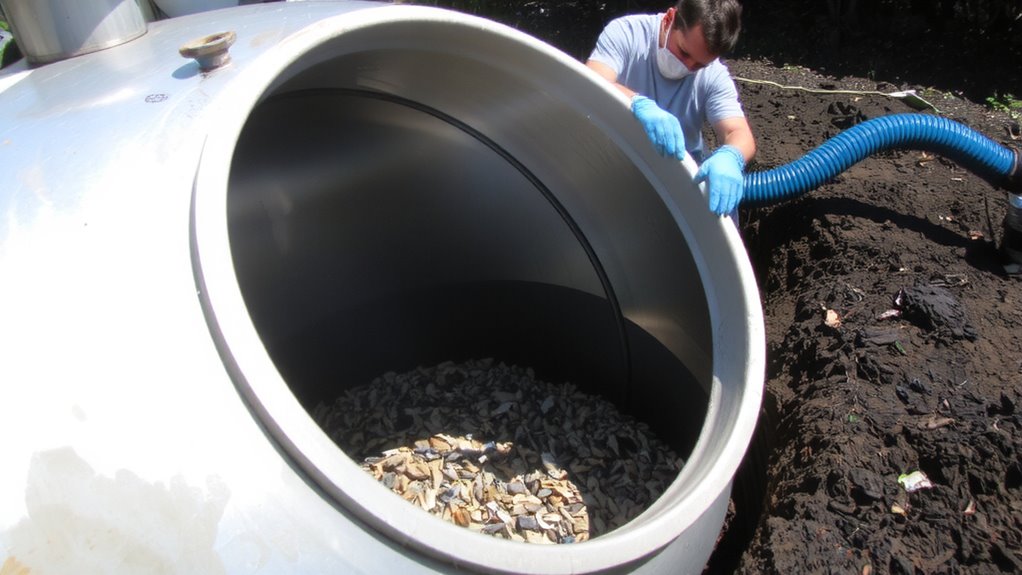
While it might seem like a cost-effective solution, storing water in a used fuel tank carries serious risks you can’t afford to ignore. Fuel residues can compromise water purity, making the water unsafe for drinking or irrigation without extensive, often incomplete, cleaning. Even after thorough scrubbing and chemical flushing, trace hydrocarbons may remain embedded in the tank’s walls. You also risk structural integrity-decades of fuel exposure degrade internal linings and steel, increasing the chance of leaks or collapse. Underground shifts and corrosion further weaken aging tanks not designed for long-term water storage. Unlike certified water tanks built with inert materials, repurposed fuel tanks lack proven performance for holding potable water. There’s no reliable test to guarantee safety over time. The initial savings aren’t worth the long-term hazards to health or property. Safe water storage demands proper materials and verified durability.
Are Repurposed Fuel Tanks Legal and Environmentally Safe?
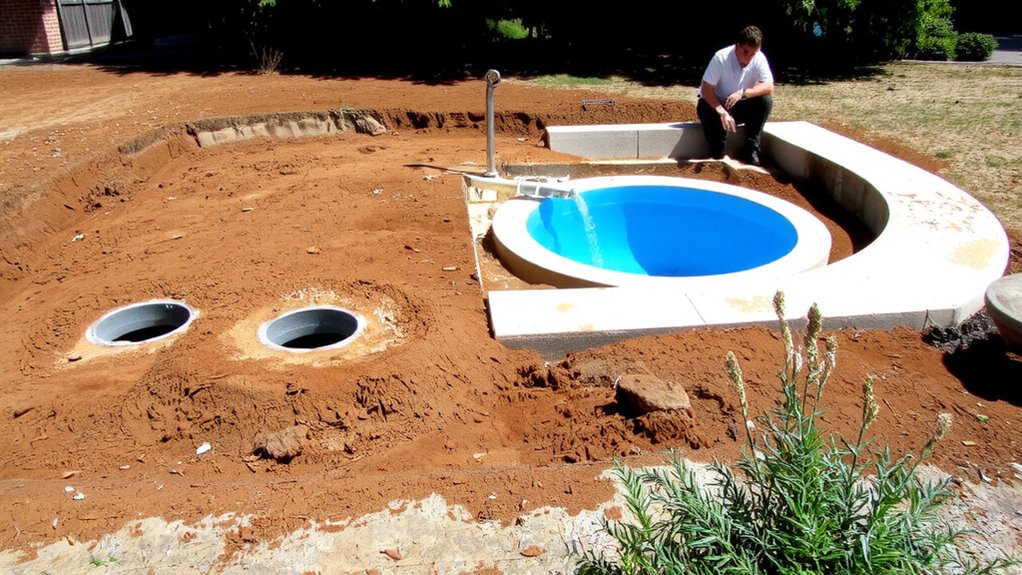
You can’t assume that just because a tank once held fuel means it’s fit for water, and the legal and environmental hurdles only compound the problem. Regulatory compliance varies by state, but most require permits and inspections before repurposing. Without proper approvals, you risk fines or forced removal. The environmental impact of residual contamination is real-groundwater pollution is a serious concern if the tank wasn’t decommissioned correctly.
| Factor | Legal Risk | Environmental Impact |
|---|---|---|
| No Permit | High | Moderate |
| Poor Decommissioning | High | High |
| Regulatory Compliance | Low | Low |
Even if it seems cost-effective, skipping rules increases long-term liability. Local agencies often classify used fuel tanks as hazardous until proven otherwise. Retrofitting may be possible, but only after meeting strict guidelines. Assume oversight is strict-because it usually is.
How to Clean a Fuel Tank for Water Storage (If Possible)
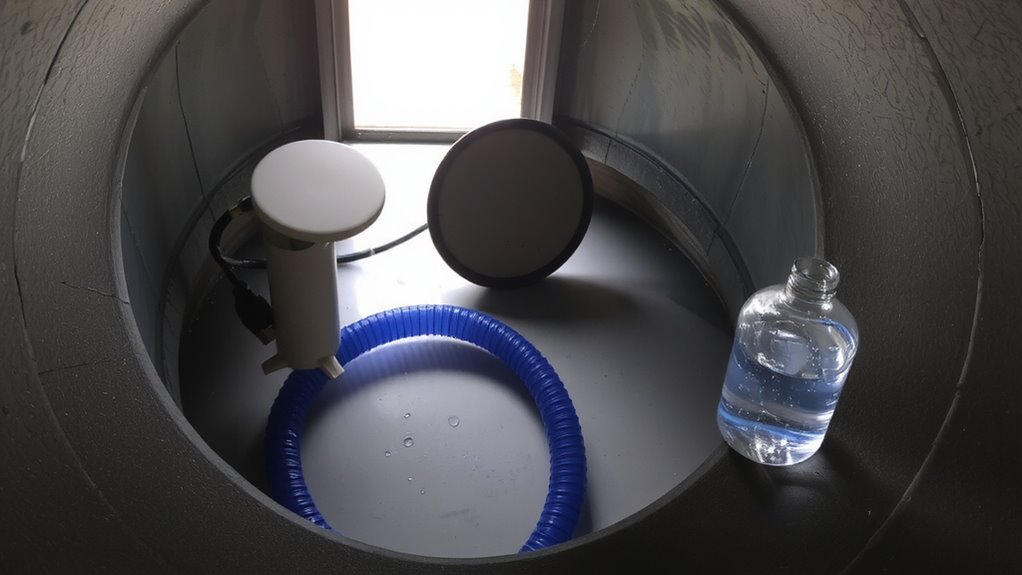
A fuel tank can be cleaned for water storage, but only if it’s structurally sound and thoroughly decontaminated. Start with a full tank inspection to check for corrosion, cracks, or leaks-any damage makes it unsafe. Remove all fuel residue using industrial solvents or steam cleaning, followed by high-pressure hot water blasting. After cleaning, conduct chemical testing to confirm no hydrocarbons or hazardous compounds remain; even trace levels are unacceptable for potable water. Testing should be done by a certified lab using EPA-approved methods. Re-test if results fail initial safety thresholds. Ventilate the tank during and after cleaning to remove fumes. Only once tank inspection passes and chemical testing shows clean results should you consider repurposing. There’s no shortcut-skipping steps risks contamination. Safe water storage depends on verified, not assumed, cleanliness.
Use Food-Safe Liners to Prevent Contamination
After confirming the tank is structurally sound and free of chemical residue, the next step is sealing it against future contamination. Installing a food-safe liner is essential. This guarantees material compatibility with potable water and maintains liner integrity over time. Not all liners work-choose one certified for drinking water storage to avoid leaching or degradation.
| Liner Type | Lifespan | Material Compatibility |
|---|---|---|
| Polyethylene | 20+ yrs | Excellent |
| Epoxy Coating | 10–15 yrs | Good |
| Butyl Rubber | 25+ yrs | Excellent |
Poor liner integrity leads to microbial growth or chemical leaching. Polyethylene and butyl rubber offer long-term reliability. Epoxy works if applied flawlessly, but pinholes are common. Always inspect for seams, punctures, and adhesion. A proper liner isn’t optional-it’s the barrier that keeps your stored water safe. For long-term safety and compliance, consider using best water storage containers as a benchmark for material standards.
How to Bury and Monitor a Repurposed Water Tank
Since the tank’s integrity and water safety depend on proper installation, burying it requires careful planning and adherence to local codes-cutting corners risks contamination or collapse. You need to set the tank at the right tank depth, usually below the frost line but above high groundwater levels, to prevent shifting or freezing. Check your local soil pH; highly acidic or alkaline soils can degrade the tank coating over time, risking leaks. Surround the tank with sand or fine gravel to cushion it and guarantee even backfill compaction. Install a vent filter and access riser for routine checks. Use a water quality tester monthly to monitor for microbial or chemical changes. Pair that with visual inspections every six months. No system is maintenance-free, but consistent monitoring helps catch issues early. Depth, soil pH, and vigilance determine long-term safety.
On a final note
You can store water in repurposed fuel tanks if cleaned thoroughly and lined with a food-safe barrier. Unlined steel may rust and leach contaminants. Local codes often restrict such use, so check regulations. Buried tanks need ventilation, access points, and regular testing for leaks or bacterial growth. While cost-effective, they carry long-term risks compared to certified polyethylene tanks. Monitor water quality yearly. Proper prep improves safety, but certified tanks remain the reliable choice for potable storage.