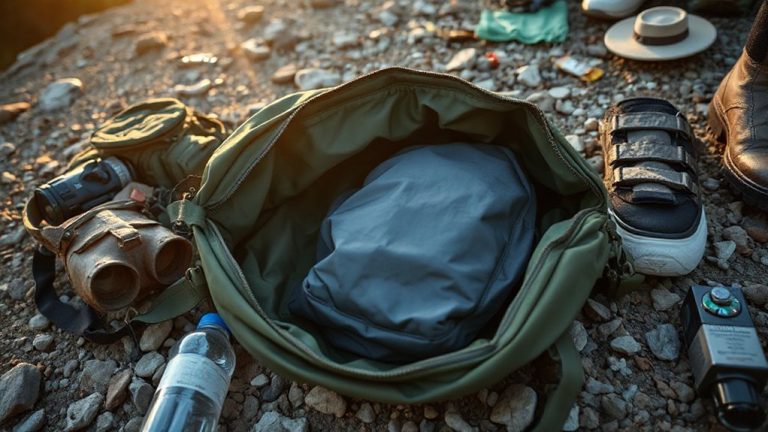
Monitoring Temperature Regulation in Hypothyroid Hikers
You feel cold on hikes because hypothyroidism slows your metabolism, reducing heat production even when active. Standard layers won’t fix this-your body simply generates less warmth. Watch for persistent shivering, cold extremities, and mental fog, as these signal poor regulation. Merino wool base layers, windproof gloves, and synthetic insulation help retain heat. Pace yourself 20–30% slower to avoid overheating, especially above 60°F. Hydrate every 15–20 minutes with 4–6 oz of water. Small adjustments make a measurable difference in core stability-and reveal smarter ways to stay balanced in changing conditions.
Notable Insights
- Track core body temperature regularly using a wearable device to detect early signs of hypothermia.
- Monitor for persistent shivering, cold extremities, or mental fog despite adequate layering and rest.
- Use a heart rate monitor to assess metabolic response, as low rates may indicate poor heat production.
- Note delayed rewarming after cold exposure, signaling impaired thermoregulatory function.
- Log environmental conditions, activity level, and symptoms to identify personal temperature regulation patterns.
Why Hypothyroidism Makes You Colder on Hikes
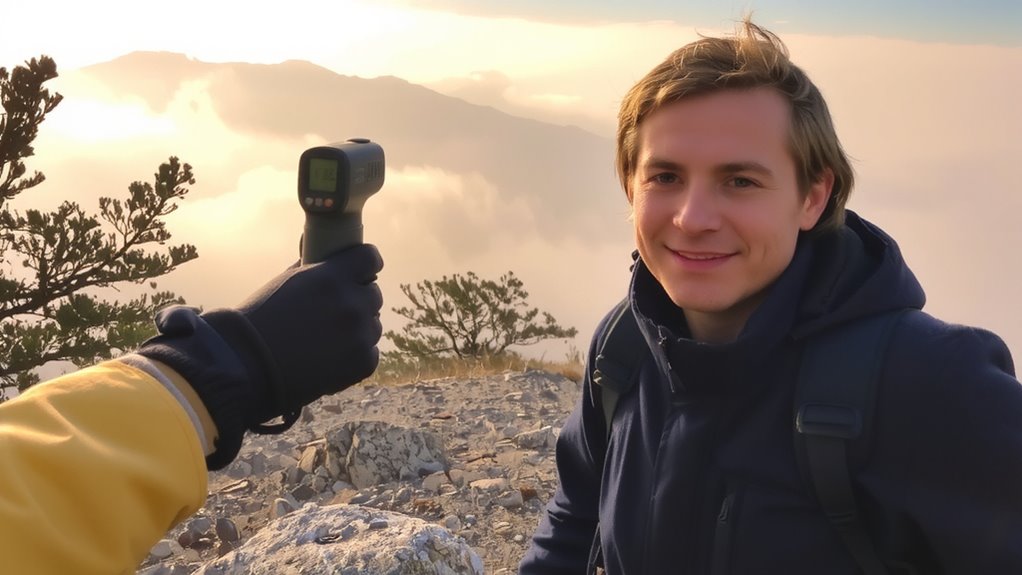
Even if you’re dressed appropriately, hypothyroidism can make you feel colder on hikes because your underactive thyroid slows your metabolism, reducing the amount of heat your body naturally produces. Poor thyroid function means your cells generate less energy, directly impacting core temperature regulation. This drop in heat production isn’t just uncomfortable-it can affect endurance and focus during long hikes. You might find yourself shivering even in mild conditions while others feel fine. That’s not perception; it’s physiology. Monitoring how quickly you lose warmth helps assess the real-world impact of your thyroid function. Standard base layers may not suffice, so relying on personal thermal feedback is critical. Adjusting clothing isn’t a fix-all when internal heat production stays low. Recognizing this limitation allows better preparation. It’s not about weakness-it’s about understanding your body’s reduced thermal output and planning accordingly.
Cold Weather Challenges for Hypothyroid Hikers
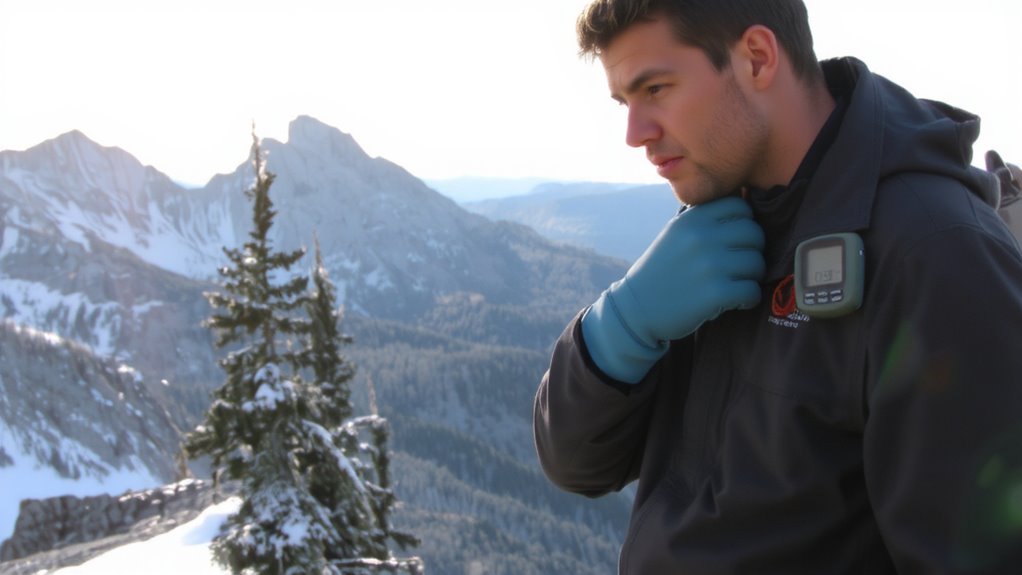
Why do cold conditions hit harder when your thyroid’s under in? Because your metabolism can’t ramp up to generate enough heat. You’re more vulnerable to wind exposure, which strips away body heat faster than still air. Even mild chills can escalate quickly if you’re not prepared. Trail nutrition plays a key role-eating enough calories from fats, carbs, and protein helps sustain internal heat. But poor food choices or infrequent intake weaken your body’s ability to compensate. A well-insulated winter sleeping pad can significantly reduce conductive heat loss while resting.
| Factor | Impact on Hypothyroid Hiker |
|---|---|
| Wind exposure | Increases heat loss by up to 20°C wind chill |
| Inadequate trail nutrition | Limits available energy for heat production |
| Low metabolic rate | Reduces core temperature baseline |
| Wet clothing | Accelerates cooling in cold, windy conditions |
| Poor layering | Fails to trap insulating air near skin |
How to Recognize Poor Temperature Regulation
How do you know when your body’s losing its grip on temperature control? You’ll notice persistent shivering episodes, even after adding layers or pausing activity. Unlike typical cold reactions, these shivers don’t stop quickly once you seek shelter or warmth-they linger, signaling your thyroid isn’t driving heat production efficiently. You may also experience delayed warming, where it takes longer than normal to regain core heat after exposure. This isn’t just discomfort; it’s a measurable drop in thermoregulatory response. Cold hands and feet stay cold despite movement, and your skin may feel cool to the touch well after others have adjusted. Mental fog or fatigue can accompany these signs, reducing decision-making sharpness. Recognizing these symptoms early matters, especially above treeline or in damp conditions. You won’t warm as fast as peers, so response time is critical. Track patterns across hikes to identify personal risk thresholds.
Essential Gear for Hypothyroid Hikers in Cold Weather
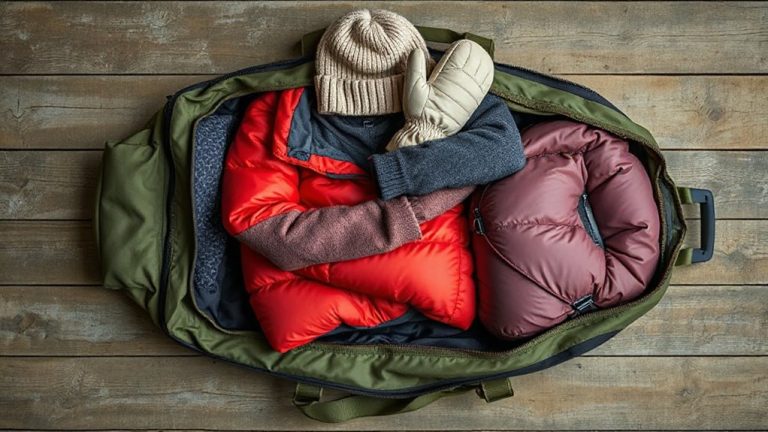
When the wind picks up and your core temp starts dropping, you’ll want gear that actively retains heat without relying on your body to generate it. Hypothyroid hikers need effective layering strategies and reliable gear maintenance to stay safe. A moisture-wicking base layer, insulating mid-layer (like merino or synthetic), and a windproof outer shell are essential. Avoid cotton-it traps moisture and reduces thermal efficiency. Regular gear maintenance guarantees durability and performance; check zippers, seams, and waterproof coatings before each trip.
| Item | Material | Purpose |
|---|---|---|
| Base Layer | Merino wool | Wicks moisture, retains heat |
| Mid-Layer | Fleece | Insulates when wet |
| Insulated Jacket | Down/synthetic | Core warmth, packable |
| Gloves | Windstopper | Protect extremities |
| Boot Covers | Nylon | Block wind, add warmth |
How to Prevent Overheating With Low Thyroid Function
A common misconception is that hypothyroid hikers only struggle in cold weather, but overheating poses a real risk, especially during exertion in mild or humid conditions. Your impaired thyroid function reduces metabolic efficiency, increasing heat retention even when you’re not actively generating much heat. This means you can overheat faster than others, especially on moderate climbs or in shaded, still air where sweat doesn’t evaporate well. Sweat management is critical-your body may not cool effectively due to reduced sweat gland responsiveness. Choose moisture-wicking base layers that pull sweat away from the skin and avoid cotton, which traps moisture and disrupts thermal regulation. Wear loose, breathable fabrics to improve airflow and minimize overheating. Don’t rely on feeling sweaty as a signal-you might not. Monitor your exertion and adjust clothing before you feel too warm, as cooling down takes longer when heat retention is already high.
Pacing & Hydration for Temperature Control
Since your thyroid can’t regulate heat efficiently, you’ll need to slow your pace on warm hikes to avoid overheating-aim for 20–30% below your usual speed on moderate terrain, especially above 60°F (15°C), because even slight exertion increases core temperature faster than normal. This reduced pace minimizes heat retention, which your body struggles to dissipate. Monitor your effort level constantly; if you feel flushed or drowsy, stop and cool down. Hydration supports fluid balance, critical for thermoregulation. Drink 4–6 ounces of water every 15–20 minutes, more if sweating. Avoid caffeine and alcohol, as they disrupt fluid balance. Bring a hydration pack with measurable intake markers to track consumption. Pair slow movement with frequent water breaks in shaded areas. These steps reduce overheating risk without sacrificing hike completion. Pacing and hydration are low-cost, high-impact controls for managing body temperature in hypothyroid hikers.
On a final note
You’ll stay safer on the trail by managing temperature extremes with practical gear and pacing. Wear moisture-wicking base layers and carry a lightweight insulated jacket-tested down to 30°F works for most. Monitor your body closely; shivering or excessive sweating signals regulation issues. Hydrate every 30 minutes, even when cold. Adjust pace to avoid overheating, which strains low thyroid function. Simple, layered clothing and steady effort beat high-tech solutions.