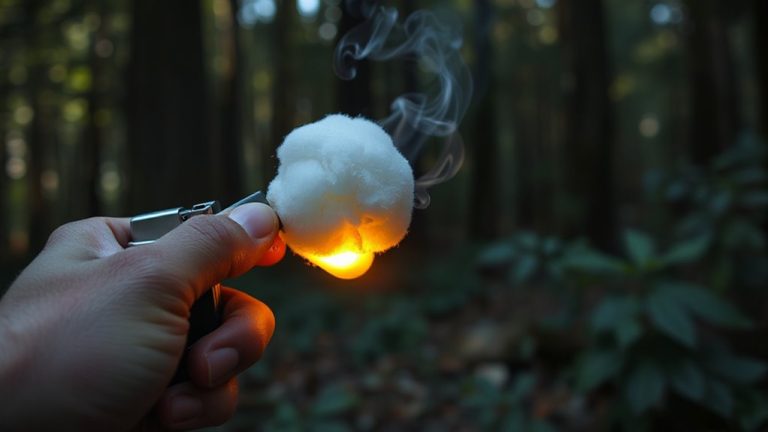
Disinfecting Water With a Portable UV Pen Light
You can disinfect water quickly with a UV pen by stirring it in clear water for 60–90 seconds-UV-C light at 254 nm disrupts pathogens’ DNA, killing bacteria and viruses. It works on clear water only; silt or cloudiness blocks the light. No chemicals or residue, but it won’t remove heavy metals or chemicals. Battery life matters-good pens deliver 50+ uses per charge. Check the blue glow monthly. These trade-offs shape when and how well they work in real survival situations.
Notable Insights
- UV pen lights disinfect water by emitting UV-C light that destroys bacteria, viruses, and protozoa by damaging their DNA.
- They work only in clear water; cloudy or murky water must be filtered before UV treatment.
- Typical use involves submerging the pen and stirring for 60–90 seconds per liter to ensure full disinfection.
- UV pens do not remove chemicals, heavy metals, or particles and offer no residual protection against recontamination.
- Regular maintenance includes checking battery life, verifying the blue UV glow, and replacing the bulb after 8,000–10,000 uses.
How Does a UV Water Purifier Pen Work?
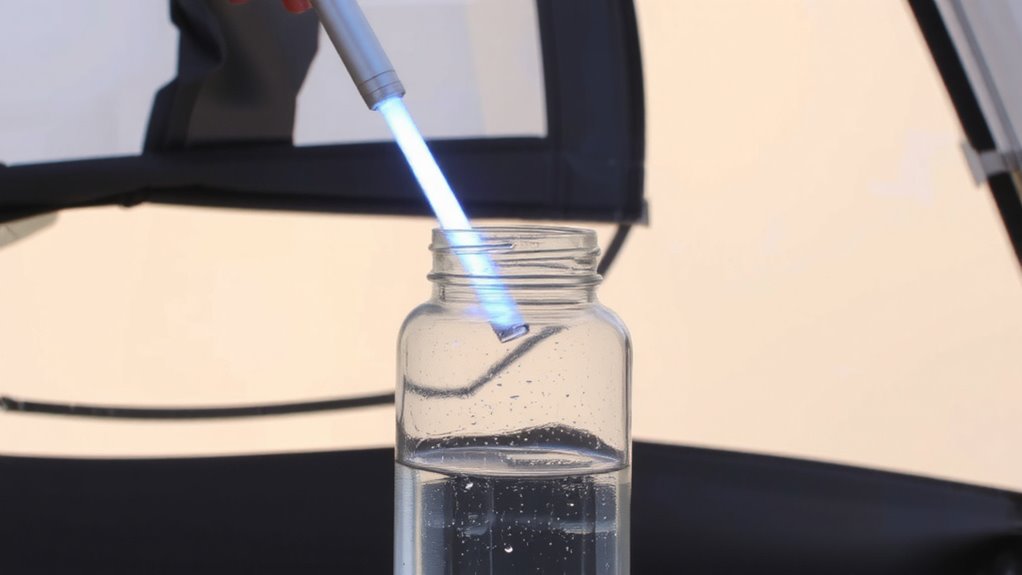
While UV pens won’t filter out debris or chemicals, they do neutralize harmful microorganisms fast. You activate the UV mechanism by pressing a button, which sends ultraviolet light into the water. This light disrupts the DNA of bacteria, viruses, and protozoa, making them unable to reproduce. That’s the germicidal effect in action. Most models use UV-C light at around 254 nm, proven effective in lab tests. You stir the pen for 30 to 90 seconds, depending on water volume and clarity. Murky water reduces effectiveness, so pre-filter if needed. Battery life varies-some last 8,000 treatments, others under 100. Recharging is common. The tech is reliable in clear water and works without chemicals. But it only treats what the light reaches. No residual protection means recontamination is possible. It’s lightweight and fast, but depends on your water source and prep.
When Should You Use a UV Water Purifier Pen?
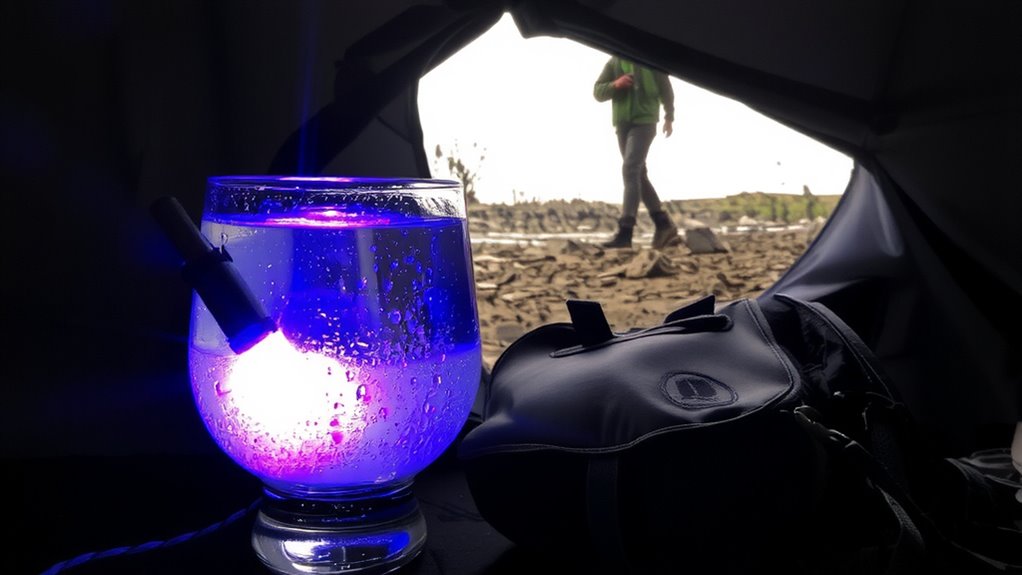
You’ve seen how UV pens use UV-C light to break down microbes at the DNA level, making water microbiologically safe in seconds. You should use a UV water purifier pen when you’re in emergency situations and need rapid, chemical-free disinfection. During power outages or natural disasters, tap water may be unsafe, and boiling isn’t always feasible-UV pens offer a fast alternative. They’re also ideal for remote hiking where water sources are untreated and filter clogging is a concern. Just make certain the water is clear and pre-filter if necessary, as sediment blocks UV light. UV pens don’t remove chemicals or heavy metals, so they’re not a complete solution in all contaminated environments. Battery life varies-most last 8,000 liters, but check specs. In field tests, they consistently reduce bacteria and viruses by over 99.9%, but timing and user compliance matter. They’re compact and effective when used correctly.
How to Use a UV Water Purifier Pen
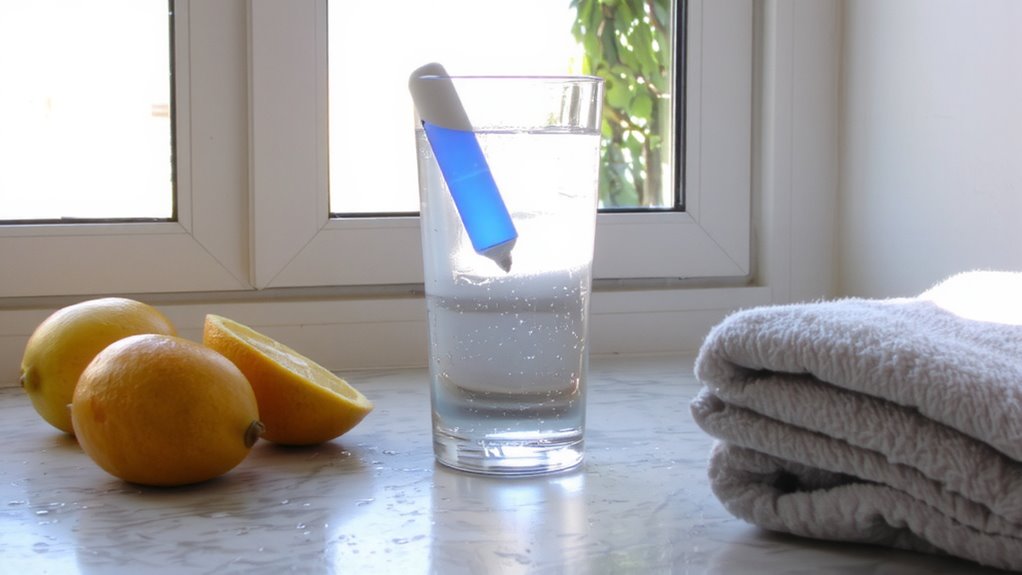
Since UV-C light can’t penetrate particles, start by filtering cloudy water through a cloth or filter before using the pen. Water clarity matters-UV light won’t kill pathogens hidden in sediment. Stir the water gently while activating the pen to guarantee full exposure. Hold the device submerged for the recommended time, usually 60–90 seconds per liter. Avoid shaking, which can reduce battery longevity. Let’s break it down:
| Step | Action | Why It Matters |
|---|---|---|
| 1 | Filter visibly dirty water | Guarantees UV light reaches pathogens |
| 2 | Submerge pen fully | Prevents air bubbles blocking UV-C |
| 3 | Stir slowly during treatment | Promotes even disinfection |
| 4 | Turn off when done | Preserves battery longevity |
Use clean containers, check water clarity first, and follow timing guidelines. Effectiveness depends on proper use-no shortcuts. This method works reliably in clear water when executed correctly.
What Features Make a Good UV Water Purifier Pen?
If you’re relying on a UV pen in the backcountry, its effectiveness hinges on more than just UV-C output-look for a device with a known dose rating, typically between 15–40 mJ/cm², to guarantee pathogens are neutralized in a single treatment. A good pen delivers that dose consistently, which means battery life matters. You’ll want at least 50 full treatments per charge, so you’re not left stranded mid-trip. Rechargeable models with USB-C charging are practical and widely compatible. Pen durability is equally important-drops, dust, and moisture are real risks outdoors. Choose one with a rugged, waterproof housing that can handle rough use. A simple indicator light confirms treatment is complete, reducing user error. Avoid gimmicks like floating designs or bright colors; they don’t improve performance. Stick to proven specs and build quality. A reliable pen works when you need it, not just when conditions are ideal.
What Are the Limitations of UV Water Purifier Pens?
How well does a UV pen actually clean water when the conditions aren’t perfect? Not great-if the water’s cloudy or full of particles, UV light can’t reach all pathogens. You’re also stuck with battery dependency; once the charge dies, the pen’s useless until recharged or replaced. Flow rate limitations mean you must stir slowly and steadily, typically for 60–90 seconds per liter, or risk incomplete disinfection.
| Factor | Limitation | Real-World Impact |
|---|---|---|
| Turbidity | UV blocked by particles | Pre-filtering needed |
| Battery dependency | Requires charge to operate | Fails if drained |
| Flow rate limitations | Slow, consistent motion required | Risk of under-treatment |
| No residual effect | Kills only during exposure | Recontamination possible |
How Do UV Pens Compare to Other Water Purifiers?
While UV pens offer a lightweight, chemical-free way to disinfect water, they don’t work as broadly or reliably as some other purification methods. They kill bacteria and viruses but can’t remove chemical residues, heavy metals, or sediment. If you’re in an area with industrial pollution or uncertain water sources, that’s a real drawback. Unlike filter pumps or gravity systems, UV pens have no physical filtration, so clarity and chemical safety aren’t improved. They’re fast and effective on microorganisms when used correctly-usually 60 to 90 seconds per liter-but their battery dependency means they fail if the charge runs out. No backup power, no purification. Boiling water avoids battery issues but uses fuel. Chemical drops handle viruses and some bacteria but leave behind chemical residues and require waiting time. Each method has trade-offs: UV pens are convenient but limited. Choose based on your water source and reliability needs.
How to Maintain and Charge Your UV Water Purifier Pen
A UV water purifier pen won’t stay effective if neglected, so regular maintenance and smart charging are essential. After each use, rinse the pen with clean water and wipe it down to prevent mineral buildup on the UV bulb. Avoid submerging the charging port-moisture damage voids most warranties. For battery care, recharge before the power fully drains; most pens use lithium-ion batteries that last longer with partial, frequent top-offs. Charge only with the included USB cable to avoid voltage issues. A full charge typically runs 50–100 purification cycles, depending on the model. The UV-C bulb degrades over time, so check the manufacturer’s specs-most recommend bulb replacement after 8,000 to 10,000 uses. Without it, disinfection drops below safe levels. Always test the pen monthly in clear water to confirm the blue glow. No glow means it’s time for bulb replacement or charging.
On a final note
You can rely on a UV pen to kill bacteria and viruses in clear water in about 90 seconds, but it won’t filter particles or chemicals. It works best when paired with a pre-filter for murky water. These pens are lightweight and fast, yet they depend on battery life and regular charging. For backpacking or travel where water sources are questionable, they’re practical-but not foolproof. Consider the trade-offs: effectiveness against microbes versus no physical filtration.